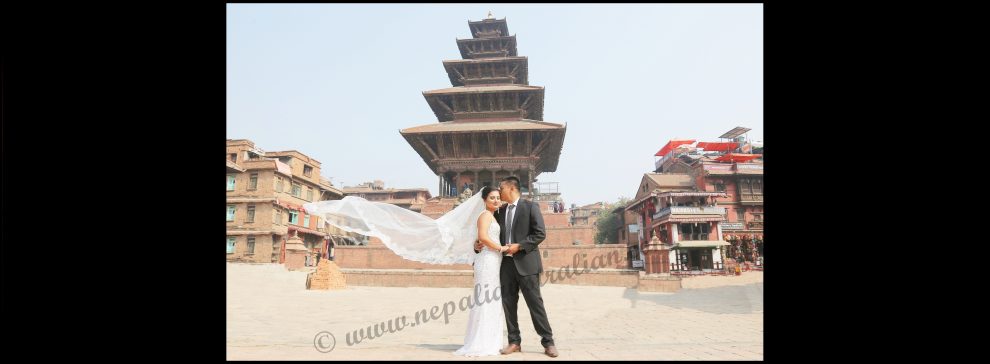
Today, we celebrate Janai Purnima, a festival deeply intertwined with Nepali culture and Hindu tradition. This day is particularly meaningful as it marks the time to renew their “janai,” the sacred thread they wear daily.
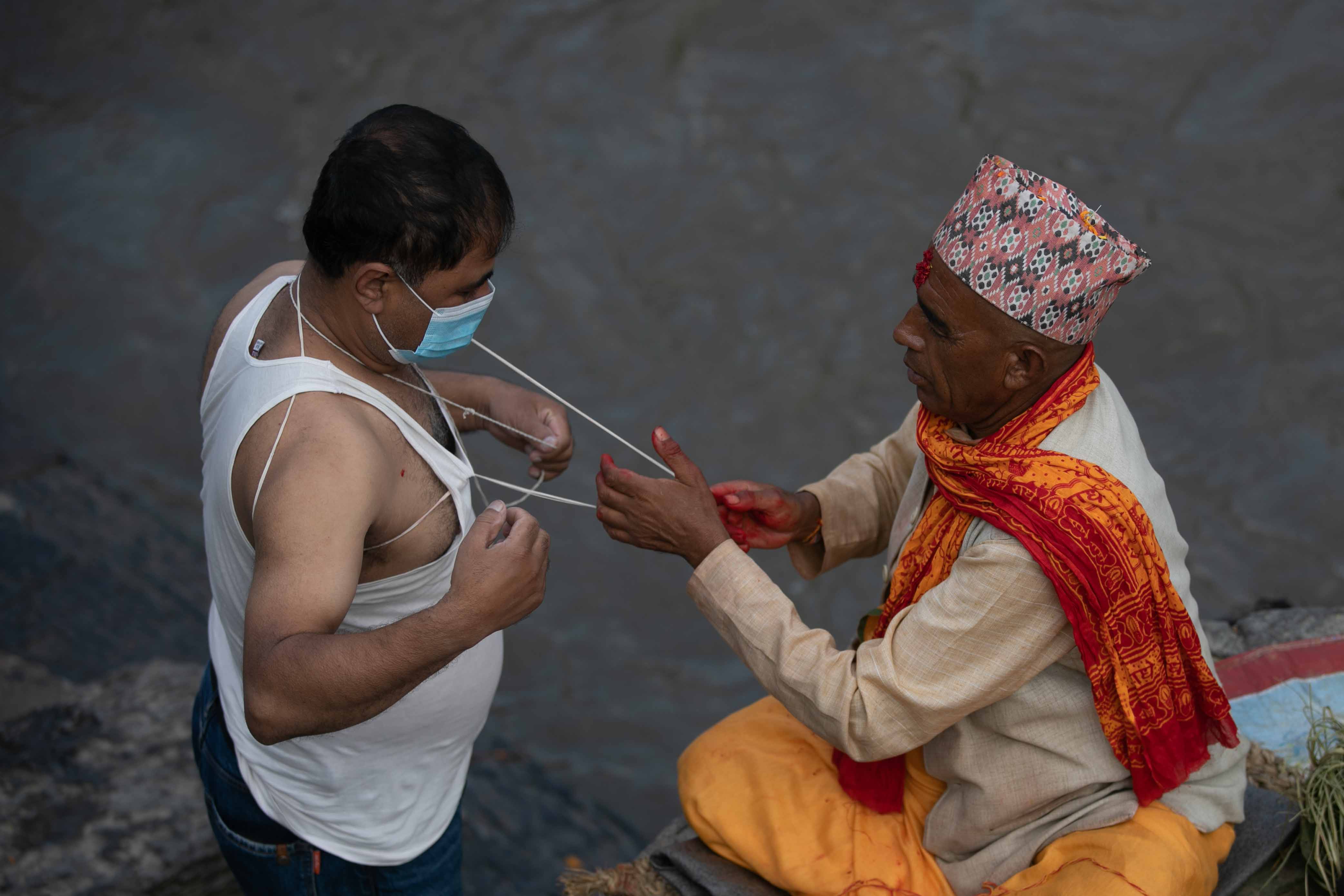
The janai is first bestowed upon a boy during his Bratabandha ceremony, a rite of passage signifying his initiation into manhood. On Janai Purnima, men come together to perform the sacred ritual of changing the thread while reciting powerful mantras. This thread, representing purity and protection, is worn as a bracelet until the next year’s festival, when the cycle of renewal begins again.
However, Janai Purnima is not solely about the janai. It’s also a day when men, women, and children, regardless of caste, participate in the ritual of tying a sacred yellow thread around their wrists. Men tie this thread on their right wrist, while women tie it on their left. This thread symbolises protection and is believed to bring good luck. Traditionally, it is removed on Laxmi Puja, three months later, and tied to the tail of a cow. In the absence of a cow, the thread can be thrown into a fast-moving river or tied to a plant—like the one I have in my office from last year’s celebration!
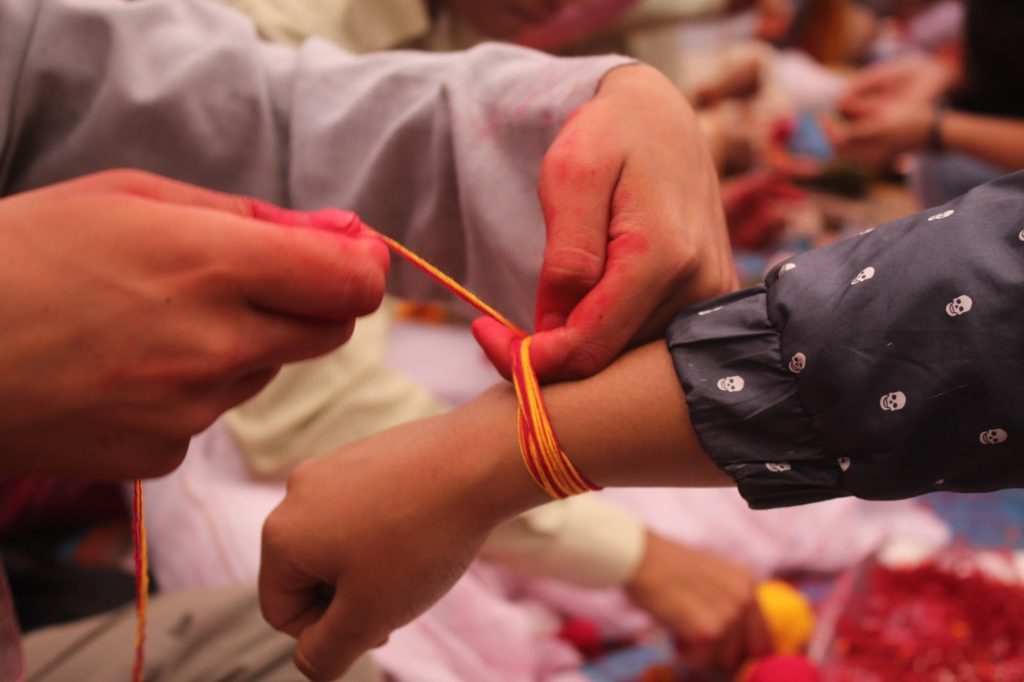
The sacred thread carries profound spiritual significance. According to tradition, when the wearer passes away, the cow to whom the thread was tied will help them cross the mythical river Bhaitarna, easing their journey into the afterlife.
Throughout Nepal, Janai Purnima is celebrated with a variety of rituals. Devotees flock to temples, shrines, and riverbanks to perform puja and offer prayers. The day is also marked by communal feasts and gatherings, where families and communities come together in joyful celebration.
Janai Purnima is more than just a religious observance; it is a rich tapestry of cultural practices, spiritual devotion, and the strengthening of family bonds. As Nepal’s streets come alive with the vibrant colors of sacred threads and the sounds of prayers, this festival serves as a powerful reminder of the values that unite us, no matter where in the world we may be.
Today is also celebrated as Kwati Purni in Newar community, a festival named after the cherished dish ‘Kwati.’ This nutritious and hearty soup is made from a combination of nine different soaked and sprouted beans, each bringing its own unique flavor and health benefits. The beans typically used include mung beans (mung), soya beans (bhatmas), red kidney beans (rajma), black grams (mas), black-eyed peas (bodi), fava beans (bakulla), chickpeas/whole grams (chana), field peas (kerau), and white beans (seto simi).

Traditionally, Kwati was a staple for farmers, consumed to rejuvenate their tired bodies during the labor-intensive rice plantation season. Its rich nutritional profile provided the much-needed strength and energy for the hard work in the fields. Beyond its role as a farmers’ food, Kwati is also valued for its digestive benefits and its ability to address various health issues, making it a dish that nourishes both body and soul.
In modern times, Kwati has become more than just a practical meal; it’s a symbol of tradition and a celebration of Nepalese culinary heritage. The preparation and sharing of Kwati bring families together, fostering a sense of community and continuity. Whether enjoyed as a comforting meal on a rainy day or as a festive dish during Kwati Purnima, this soup holds a special place in Nepali culture.
For those interested in making Kwati at home, I’ve shared the recipe here, where you can learn how to prepare this delicious and nourishing soup yourself.
Janai Purnima also coincides with Raksha Bandhan, a cherished tradition where sisters tie rakhis—beautifully decorative bracelets—around their brothers’ wrists. This act symbolises love, protection, and care. In return, brothers give sweets or gifts, reinforcing the bonds of kinship and friendship.

This day is marked by a renewal of spiritual vows and a recommitment to the values symbolised by the janai, which consists of three strands representing purity, spiritual protection, and moral integrity.
The exchange of rakhis is a joyful celebration of sibling love, adding a warm and familial aspect to the festival. The mutual exchange of gifts and promises between brothers and sisters strengthens these bonds and creates lasting memories.
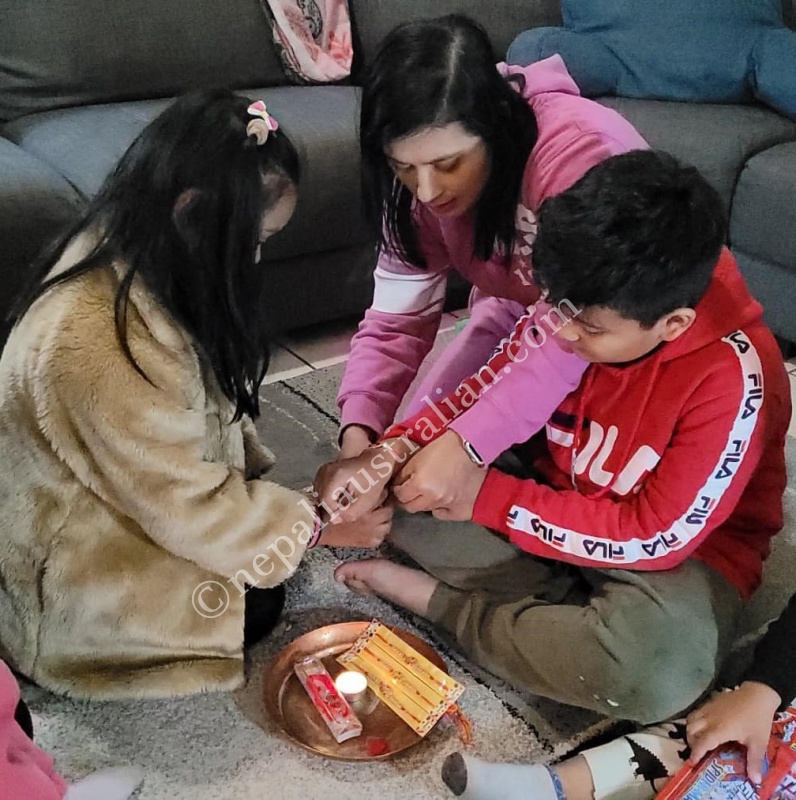
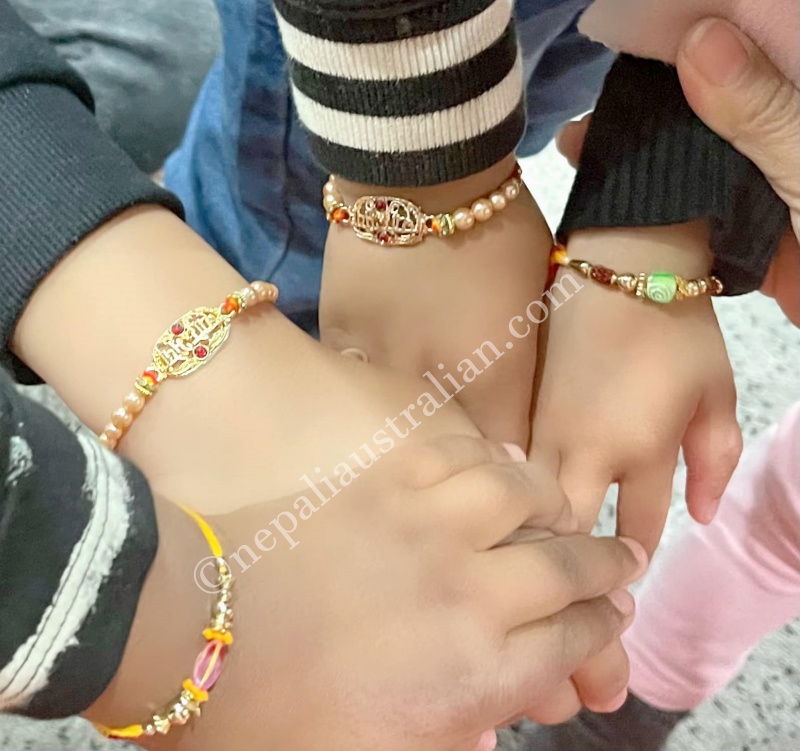
Although I didn’t grow up celebrating Raksha Bandhan, it has become a cherished tradition since I had children. Each year, we have a small ceremony with my brother’s children, and the kids are always so excited to participate. They love the unique traditions and, of course, the exchange of gifts! These moments are precious to me because, even though we are far from Nepal, my children are growing up learning about and staying connected to their Nepali heritage.
M from Nepaliaustralian
XOXO
Please follow me on Instagram! and Please follow me on TikTok
















 nepaliaustralian