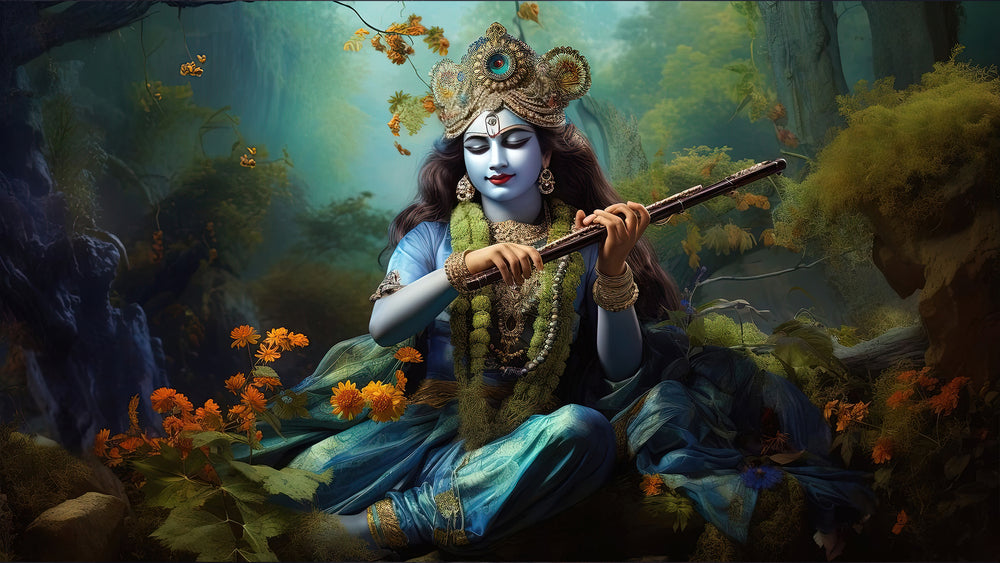
Today is Sri Krishna Janmashtami, a revered festival celebrating the divine birth of Lord Krishna. This festival is observed on the Ashtami Tithi—the eighth day of the dark fortnight (Krishna Paksha) in the month of Bhadra according to the Nepali Bikram Sambat calendar. In the Gregorian calendar, it typically falls in August or September.
Sri Krishna Janmashtami is more than just a festival; it is a profound expression of devotion, spirituality, and the eternal battle between good and evil. On this day, Hindus around the world unite in celebration, fasting until midnight—the sacred hour believed to mark the moment of Krishna’s birth. The day is filled with the chanting of verses from the Bhagavad Gita, the singing of bhajans, and the joyous celebration of kirtans. Temples dedicated to Lord Krishna are adorned with vibrant decorations, and the air is filled with the sounds of devotion and the scent of incense.
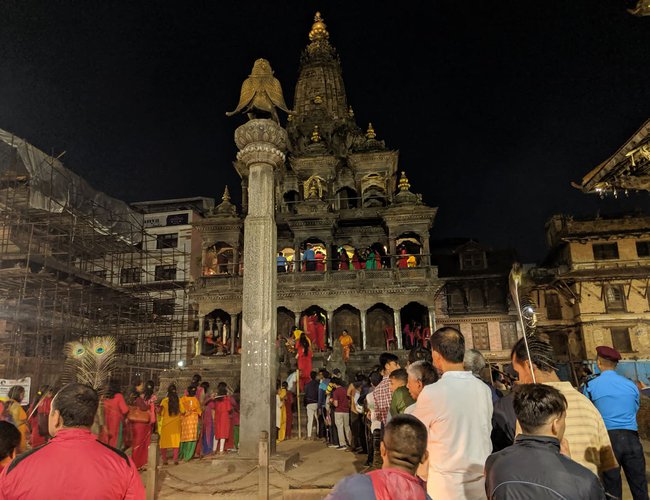
In Nepal, the Krishna Mandir in Patan Durbar Square, along with the Narayanhiti Krishna Mandir and other significant temples, become the epicenters of Janmashtami celebrations. Devotees flock to these sacred sites, transforming the night into a vibrant tapestry of faith and devotion. As they gather in large numbers, their hearts are united by the love and reverence they hold for Lord Krishna. The sight of women chanting Krishna’s many names, ‘Narayan, Narayan’ and ‘Gopal, Gopal,’ and the rhythmic clapping of hands in tune with ancient hymns creates an atmosphere of divine energy. The narrow steps leading to the temple’s inner sanctum are filled with worshippers, each offering flowers, coins, and food, yearning for a glimpse of the sacred idol of Krishna. After receiving ‘prasad’—the blessed food offerings—from the temple priests, they return home, their spirits uplifted and hearts content.
The festival also features the installation of beautiful cribs holding small idols of ‘Balgopal’ (baby Krishna), symbolising the joyous moment of his birth. These cribs, often referred to as “jhulas,” are tenderly decorated in Krishna temples, evoking the playful and endearing nature of the child-god. Additionally, the night comes alive with performances of Krishna Lila, dramatic reenactments of Lord Krishna’s life, showcasing his divine play (Lila) and his role as the protector of dharma (righteousness).
But beyond the rituals and festivities, Krishna Janmashtami carries a profound message that resonates through the ages. In the Bhagavad Gita, Krishna famously declares, “Whenever there is a decline in righteousness and an increase in unrighteousness, I manifest myself on earth.” This statement is not merely a declaration of divine intervention but a promise that goodness will always find a way to triumph over evil. Krishna Janmashtami serves as a powerful reminder that in times of darkness, when the world seems engulfed by sin and corruption, divine intervention will restore balance and order. The festival symbolises hope, the promise of renewal, and the assurance that no matter how overwhelming the forces of darkness may seem, the light of truth and righteousness will always prevail.
During Krishna Janmashtami, one of the most delightful sights is seeing little kids dressed up as Lord Krishna. Adorned in vibrant dhotis, peacock feathers, and tiny flutes, they embody the playful and charming spirit of Krishna, bringing joy to everyone around. The innocence of these young ones, coupled with their radiant smiles, adds a special sweetness to the celebration, making the occasion even more heartwarming. It’s a beautiful tradition that not only honours the birth of Lord Krishna but also creates cherished memories for families and communities. Just look at chhora as Krishna ji—it’s simply too adorable!
Sri Krishna Janmashtami, therefore, is not just a celebration of Krishna’s birth but a reaffirmation of our faith in the ultimate victory of good over evil, a timeless truth that continues to inspire and guide us through life’s challenges.
If you live outside of Nepal and miss the taste of lapsi ko achar, I have the next best thing for you—cumquat achar! This sweet, tangy, and spicy pickle is a delicious alternative that you can easily make at home. Cumquat is called muntala in Nepali
Ingredients:
Cumquats: 1 Kg, cut in half or into thirds
Mustard oil: 2 tablespoons
Mustard seeds: 1 teaspoon
Hing (asafoetida): 1/4 teaspoon
Garlic: 4 cloves, chopped
Bay leaf: 8-10
Dried chili flakes: 1-2 teaspoons (adjust to taste)
Fresh hot chilies: Optional, for extra heat
Salt: To taste
Red chili powder: 1 teaspoon (adjust to taste)
Sugar: 200 gm (adjust to taste)
Instructions:
Start by cutting the cumquats in half or into thirds, depending on your preference.
In a pan, heat mustard oil until it’s hot and shimmering.
Add mustard seeds, hing, chopped garlic, bay leaf, and chili flakes to the hot oil. If you like extra heat, add some fresh hot chilies as well. Fry the spices for a few minutes until they release a rich, aromatic flavour.
Now Add the cumquats to the pan and stir-fry them until they soften, about 2-3 minutes. Add salt and red chili powder, mix well, and cover the pan. Let it cook for a 5 minutes.
Add sugar to the pan and mix well. Cover the pan again and let it cook for a few more minutes until the sugar dissolves and the flavours come together. Turn off the heat and let the achar cool down.
Once cooled, transfer the achar to a glass jar. Refrigerate it, and it can be enjoyed for up to 3 months.
Enjoy, a delicious, tangy, and spicy homemade cumquat achar with your meals!
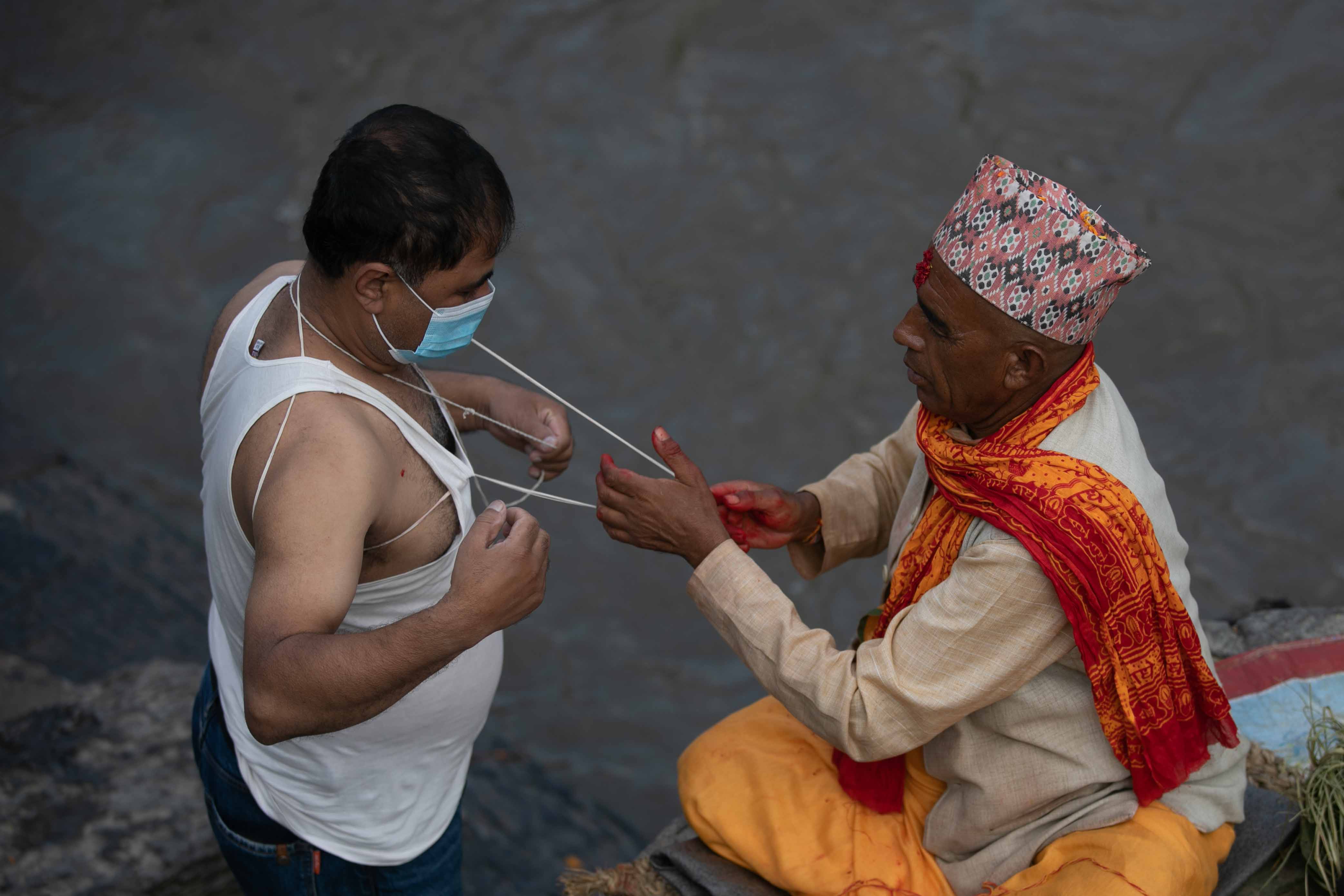
Today, we celebrate Janai Purnima, a festival deeply intertwined with Nepali culture and Hindu tradition. This day is particularly meaningful as it marks the time to renew their “janai,” the sacred thread they wear daily.
The janai is first bestowed upon a boy during his Bratabandha ceremony, a rite of passage signifying his initiation into manhood. On Janai Purnima, men come together to perform the sacred ritual of changing the thread while reciting powerful mantras. This thread, representing purity and protection, is worn as a bracelet until the next year’s festival, when the cycle of renewal begins again.
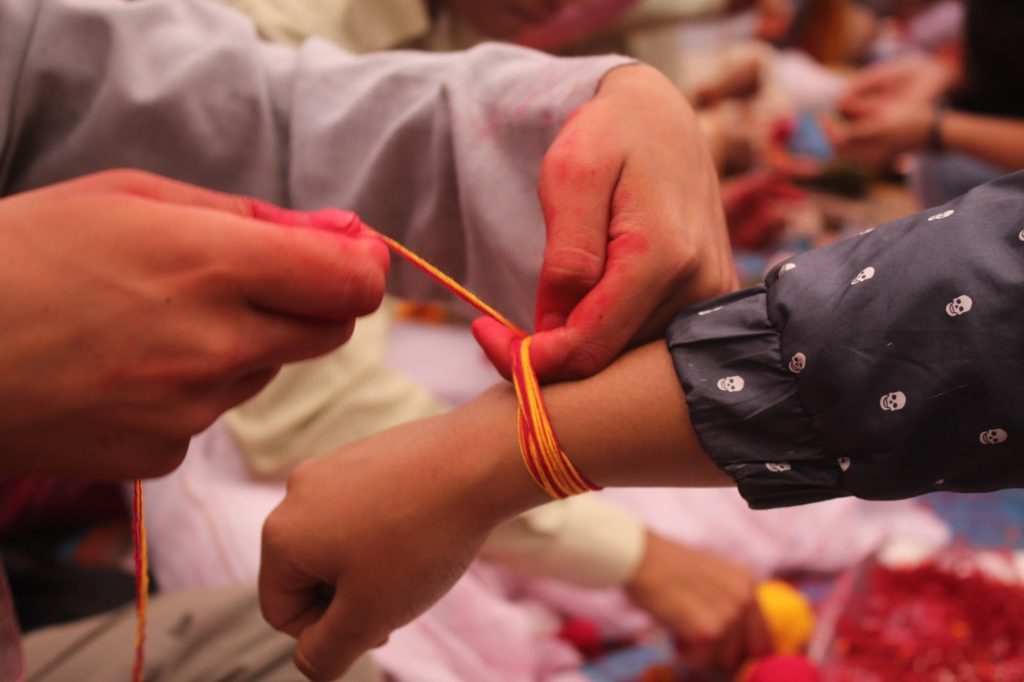
However, Janai Purnima is not solely about the janai. It’s also a day when men, women, and children, regardless of caste, participate in the ritual of tying a sacred yellow thread around their wrists. Men tie this thread on their right wrist, while women tie it on their left. This thread symbolises protection and is believed to bring good luck. Traditionally, it is removed on Laxmi Puja, three months later, and tied to the tail of a cow. In the absence of a cow, the thread can be thrown into a fast-moving river or tied to a plant—like the one I have in my office from last year’s celebration!
The sacred thread carries profound spiritual significance. According to tradition, when the wearer passes away, the cow to whom the thread was tied will help them cross the mythical river Bhaitarna, easing their journey into the afterlife.
Throughout Nepal, Janai Purnima is celebrated with a variety of rituals. Devotees flock to temples, shrines, and riverbanks to perform puja and offer prayers. The day is also marked by communal feasts and gatherings, where families and communities come together in joyful celebration.
Janai Purnima is more than just a religious observance; it is a rich tapestry of cultural practices, spiritual devotion, and the strengthening of family bonds. As Nepal’s streets come alive with the vibrant colors of sacred threads and the sounds of prayers, this festival serves as a powerful reminder of the values that unite us, no matter where in the world we may be.
Today is also celebrated as Kwati Purni in Newar community, a festival named after the cherished dish ‘Kwati.’ This nutritious and hearty soup is made from a combination of nine different soaked and sprouted beans, each bringing its own unique flavor and health benefits. The beans typically used include mung beans (mung), soya beans (bhatmas), red kidney beans (rajma), black grams (mas), black-eyed peas (bodi), fava beans (bakulla), chickpeas/whole grams (chana), field peas (kerau), and white beans (seto simi).
Traditionally, Kwati was a staple for farmers, consumed to rejuvenate their tired bodies during the labor-intensive rice plantation season. Its rich nutritional profile provided the much-needed strength and energy for the hard work in the fields. Beyond its role as a farmers’ food, Kwati is also valued for its digestive benefits and its ability to address various health issues, making it a dish that nourishes both body and soul.
In modern times, Kwati has become more than just a practical meal; it’s a symbol of tradition and a celebration of Nepalese culinary heritage. The preparation and sharing of Kwati bring families together, fostering a sense of community and continuity. Whether enjoyed as a comforting meal on a rainy day or as a festive dish during Kwati Purnima, this soup holds a special place in Nepali culture.
For those interested in making Kwati at home, I’ve shared the recipe here, where you can learn how to prepare this delicious and nourishing soup yourself.
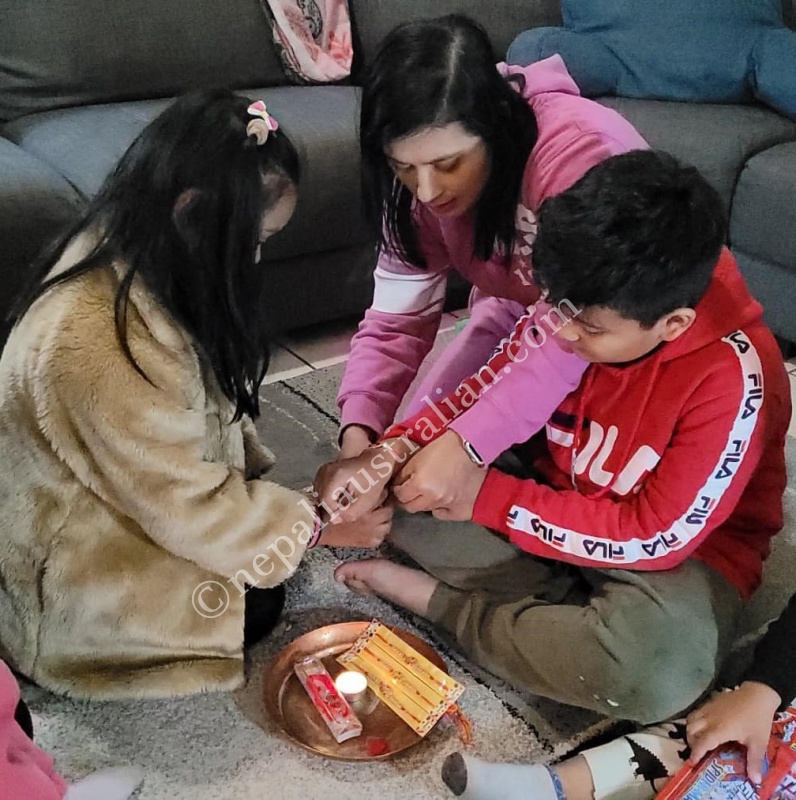
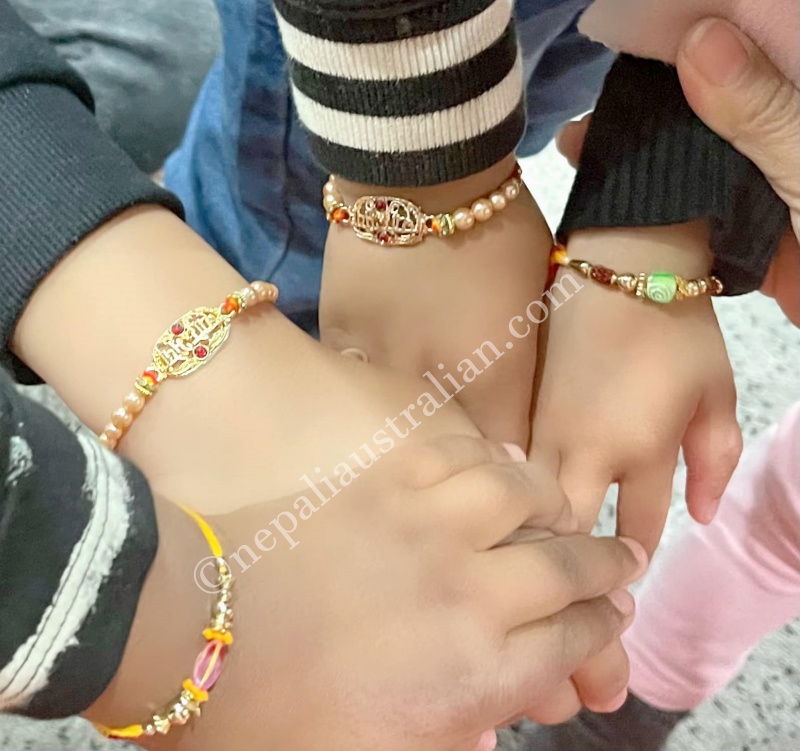
Janai Purnima also coincides with Raksha Bandhan, a cherished tradition where sisters tie rakhis—beautifully decorative bracelets—around their brothers’ wrists. This act symbolises love, protection, and care. In return, brothers give sweets or gifts, reinforcing the bonds of kinship and friendship.
This day is marked by a renewal of spiritual vows and a recommitment to the values symbolised by the janai, which consists of three strands representing purity, spiritual protection, and moral integrity.
The exchange of rakhis is a joyful celebration of sibling love, adding a warm and familial aspect to the festival. The mutual exchange of gifts and promises between brothers and sisters strengthens these bonds and creates lasting memories.
Although I didn’t grow up celebrating Raksha Bandhan, it has become a cherished tradition since I had children. Each year, we have a small ceremony with my brother’s children, and the kids are always so excited to participate. They love the unique traditions and, of course, the exchange of gifts! These moments are precious to me because, even though we are far from Nepal, my children are growing up learning about and staying connected to their Nepali heritage.
While staying in Cooma for our snow trip, we decided to have lunch at Mezcals Tequila Bar & Restaurant. Initially, we were a bit hesitant as the restaurant was empty when we arrived, but that uncertainty quickly faded once we experienced the place’s unique charm. The ambiance was delightful, with beautiful artwork adorning the walls, creating a cozy and inviting atmosphere.
We ordered a range of dishes, including quesadillas, chicken nachos, burritos, and paella. Each dish was outstanding, bursting with flavour and expertly prepared. The quesadillas were perfectly crispy, the chicken nachos were generously topped with savoury ingredients, the burritos were packed with a tasty blend of fillings, and the paella was a hearty and flavourful treat. Every bite was a pleasure, and we were all thoroughly satisfied. Even the kids enjoyed their meals and left their plates clean.
The prices were very reasonable, especially considering the high quality of the food. It was clear that Mezcals offers excellent value for money. Additionally, the staff were incredibly friendly and attentive, adding to the overall positive experience.
If you find yourself in Cooma, Mezcals Tequila Bar & Restaurant is a fantastic place to enjoy a delicious meal in a welcoming setting. It’s definitely worth a visit!





















 nepaliaustralian