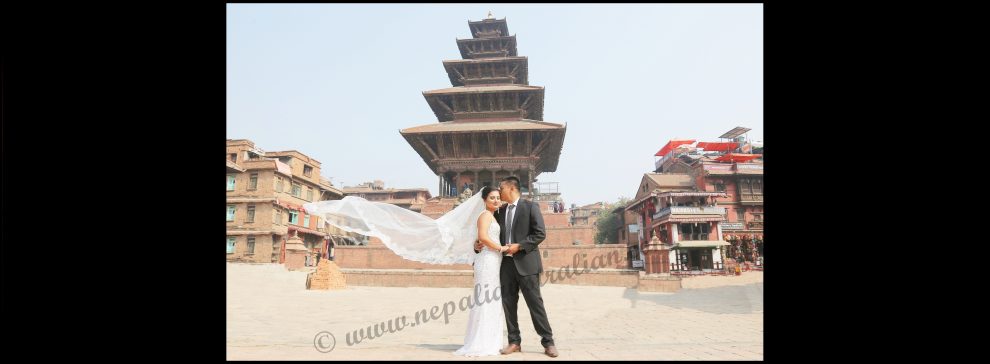
Today marks the celebration of Teej, a festival cherished by Hindu women in Nepal. Observed on the 3rd day of Bhadra Shukla Paksha (as per the Nepali lunar calendar), Teej typically falls in late August or early September. This year, the Fasting day coincides with today. Though I am from the Newar community, where Teej is not traditionally celebrated, I love participating in the festivities here in Sydney with my friends.

Teej is a significant occasion where women fast to seek marital bliss, the well-being of their spouses and children, and purification of both body and soul. Married women fast for their husband’s long life, prosperity, and a strong, enduring bond that transcends not only this life but all lives to come. Unmarried women, on the other hand, pray for an ideal husband. Fasting is observed by most women and girls who have reached puberty, unless they are unwell or physically unable.
In Nepal, Teej is celebrated over four days, each holding its own special meaning:
- The First Day (Dar Khane Din): A day of feasting and celebration.
- The Second Day: The main fasting day.
- The Third Day: A day of purification.
- The Fourth Day (Rishi Panchami): A day dedicated to honoring the seven sages, or Rishis.
Dar Khane Din
The first day of Teej is known as “Dar Khane Din.” On this day, women dress in their finest attire and gather together to celebrate. Most wear red or dark pink saris, adorned with traditional pote (glass bead necklaces), chura (bangles), and gold jewelry. Some even apply intricate henna designs on their hands. The day is filled with joyous singing, dancing, and a grand feast that often continues until midnight, after which the 24-hour fast begins.

In Sydney, we celebrate Dar Khane Din by each preparing a dish and gathering at one house. We dance, sing, and enjoy dinner together. While most of us don’t fast, it’s a wonderful opportunity to wear saris, accessorise with jewellery, and have fun with friends. I really look forward to this day each year.
Fasting Day
The second day of Teej is the official fasting day. Many women abstain from both food and water for the entire day, while others take liquids and fruits, praying for their husband’s long life. This day is crucial in the Teej celebrations, as women dedicate their day to prayers and puja (worship).

In Nepal, the holy Pashupatinath temple becomes a focal point during Teej, with thousands of women in red saris offering their prayers to Lord Shiva. Women gather to perform puja to Lord Shiva and Goddess Parvati, offering flowers, sweets, and coins. A significant aspect of the puja ceremony is the lighting of an oil lamp, which must be kept burning throughout the night to ward off evil.
Purification Day
The third day of Teej is dedicated to purification. After fasting, women bathe and purify themselves with rituals that are intended to cleanse both the body and the soul. They often gather at temples, continuing their prayers to Lord Shiva. This day symbolises the renewal of the mind, body, and spirit, and it marks the conclusion of the fast. The rituals on this day bring a sense of serenity and peace, completing the process of spiritual renewal.
Rishi Panchami
The fourth and final day of Teej is called Rishi Panchami, a day devoted to honouring the seven great sages, or Rishis. On this day, women perform special rituals and pujas to seek forgiveness for any sins, especially those committed unknowingly during menstruation. It is a day of atonement and reverence for the wisdom of the Rishis. Women also take a ritual bath, symbolising purification, and offer their respect to the earth and nature. This day concludes the Teej festival with a focus on spiritual cleanliness and reverence for ancient traditions.
To everyone celebrating Teej today, I wish you a joyful and blessed day! May it bring you happiness, good health, and cherished memories.
M from Nepaliaustralian
XOXO
Please follow me on Instagram! and Please follow me on TikTok
















 nepaliaustralian
Fascinating! I’m slightly confused though – doesn’t rishi panchami mean ‘five sages’?
Yes, you’re absolutely right! Rishi Panchami literally translates to “Five Sages” (Rishi = sage, Panchami = fifth day of the lunar fortnight). This festival is observed on the fifth day of the bright fortnight in the month of Bhadra (August/September), and it is indeed dedicated to honouring the five great sages in Hindu tradition—Kashyapa, Atri, Bharadvaja, Vishwamitra, and Gautama.
The confusion may arise because Rishi Panchami, while honouring these sages, is also traditionally observed by women as a day of purification and penance. It’s a way for women to seek forgiveness for any mistakes or lapses they may have committed, particularly with regard to menstrual practices, which were seen as needing certain rituals and cleanliness in ancient times.
This day is observed after Hartalika Teej and Ganesh Chaturthi, and the rituals associated with Rishi Panchami include fasting and paying homage to the five sages, but also praying for the purification of the body and soul.
So, while the name “Rishi Panchami” does refer to the five sages, the actual observance has layers of meaning—combining veneration of the sages with a personal ritual of purification.
Ah I see – thank you for that clarification! It is all very fascinating 🙂
Pingback: Why Newars Don’t Celebrate Teej? | nepaliaustralian