Tag Archives: CulturalHeritage

Exploring the Tasmanian Museum and Art Gallery

During our recent stay in Tasmania, we were fortunate enough to visit the Tasmanian Museum and Art Gallery (TMAG), and I can’t wait to share our experience with you. If you’re planning a trip to Hobart, this is one spot you definitely don’t want to miss. Located just a short walk from our hotel, the museum is not only conveniently close but also offers a wealth of fascinating exhibits for all ages to enjoy.

As we approached the Tasmanian Museum and Art Gallery, I was immediately struck by its size. The building is impressive, with its historic architecture beautifully blending with modern spaces. Inside, the museum is spacious, offering plenty of room for visitors to explore and enjoy the various exhibits. From the moment we stepped through the doors, we were welcomed by the inviting atmosphere — it’s an educational space that feels both comfortable and engaging, making it ideal for families.

The best part? Entry is completely free! This is something I always appreciate, especially when visiting museums with children. It means you can explore without worrying about the cost piling up, making it an affordable option for families looking to experience something educational and fun.

The Tasmanian Museum and Art Gallery has so much to offer. Whether you’re interested in natural history, art, or local culture, there’s something for everyone here. We started our journey by walking through the natural history section, where we were greeted by impressive displays of Tasmania’s unique wildlife and ecosystems. From taxidermied animals to interactive exhibits, there was so much to learn about the island’s biodiversity.

As we moved through the galleries, we encountered beautifully curated art collections showcasing Tasmanian artists, historical artifacts, and intriguing exhibits about the region’s past. What I loved most was how the museum does an excellent job of blending history, culture, and nature in a way that kept us all captivated. The kids were particularly drawn to the interactive elements of the displays — it kept them engaged and curious as they explored the exhibits.

If you’re visiting with children, the Tasmanian Museum and Art Gallery is a dream come true. The museum is extremely family-friendly, with designated play areas where kids can get hands-on and dive deeper into learning. Our children had an absolute blast here, and I’m sure yours will too. One of the highlights was the play area, where the kids could run around, slide down a fun slide, and explore different interactive exhibits designed for little hands.

We spent over an hour in this section alone, as the kids were completely engrossed in the exhibits. From exploring fossils to pretending to be scientists, it was clear that the museum had been thoughtfully designed with young visitors in mind. It was a fantastic way to balance fun and learning while allowing the children to explore at their own pace.

As we explored the various exhibits, I found myself appreciating just how much the Tasmanian Museum and Art Gallery has to offer. It’s a place where history, art, and nature all come together in one spot. The museum is well-maintained, and the exhibits are thoughtfully displayed, making it easy to navigate and appreciate the richness of the collections. It’s one of those places where you can easily spend a couple of hours without even realising how much time has passed.

Before we left, we took some time to browse the gift shop, which had a lovely selection of locally made crafts, books, and souvenirs — a perfect way to remember our visit.

If you’re ever in Hobart, make sure to carve out some time to visit the Tasmanian Museum and Art Gallery. With free entry, a variety of exhibits to explore, and a kid-friendly environment, it’s the perfect place for a family outing. The mix of educational and interactive exhibits, along with the spacious and welcoming atmosphere, makes it an ideal stop for anyone looking to learn more about Tasmania’s natural and cultural heritage.

Have you visited the Tasmanian Museum and Art Gallery? Share your experiences in the comments below

Please follow me on Instagram! and Please follow me on TikTok to stay updated on my adventures.

Take care,

M from Nepaliaustralian
XOXO

The Nepali Peace Pagoda – A Touch of Home in South Bank

Walking through South Bank is always a joy, but discovering the Nepali Peace Pagoda there feels like stumbling upon a piece of my heart. This incredible structure makes me so nostalgic, instantly transporting me back to Nepal and its sacred temples.

Every detail of the pagoda is a masterpiece, steeped in tradition and culture. The amazing door featuring intricately carved statues of gods, the stone stairs at the entrance, and the iconic akhee jhaal (a traditional Nepali window) reflect the extraordinary craftsmanship Nepal is renowned for. The stonework on the ground adds a touch of raw, timeless beauty, grounding the space in authenticity and history.

Inside the main temple structure, a simple yet beautiful wooden bench invites visitors to sit, reflect, and soak in the tranquillity. It’s a space that feels sacred and personal, offering a moment of peace amidst the bustling city. The two smaller temple structures on either side of the pagoda complement the design perfectly, creating a sense of balance and harmony.

The surroundings only enhance the experience. The stupa, standing tall as a symbol of enlightenment, and the gentle water features at the bank provide a calming soundtrack to the serenity of the place. The lush greenery and elephant statues add a vibrant touch, making it feel like a sanctuary dedicated to peace and spirituality.

Standing there, taking in the intricate details and peaceful atmosphere, I couldn’t help but feel an emotional connection. The pagoda isn’t just a structure; it’s a heartfelt tribute to Nepal’s rich heritage and culture. Every element—the carvings, the craftsmanship, and the peaceful energy—reminded me of home and everything I hold dear about it.

If you ever visit South Bank, don’t miss the chance to experience the Nepali Peace Pagoda. Let the beauty, artistry, and serenity of this space take you on a journey of calm, nostalgia, and connection.

Sometimes, a place like this can bridge the distance and bring you closer to home, even when you’re miles away.

Please follow me on Instagram! and Please follow me on TikTok to stay updated on my adventures.

Take care,

M from Nepaliaustralian
XOXO

Nag Panchami: Celebrating the Snake Festival in Nepal

Did you know that we have a festival dedicated to snakes? It’s called Nag Panchami, and we had the pleasure of celebrating it yesterday with much joy and devotion.

Nag Panchami is a unique and sacred festival in Nepal where we honour snakes, revered as protectors and symbols of fertility in Hindu culture. Celebrated during the auspicious month of Shrawan, this festival is observed with great reverence by many Nepali families, each adding their own traditions and practices to the day.

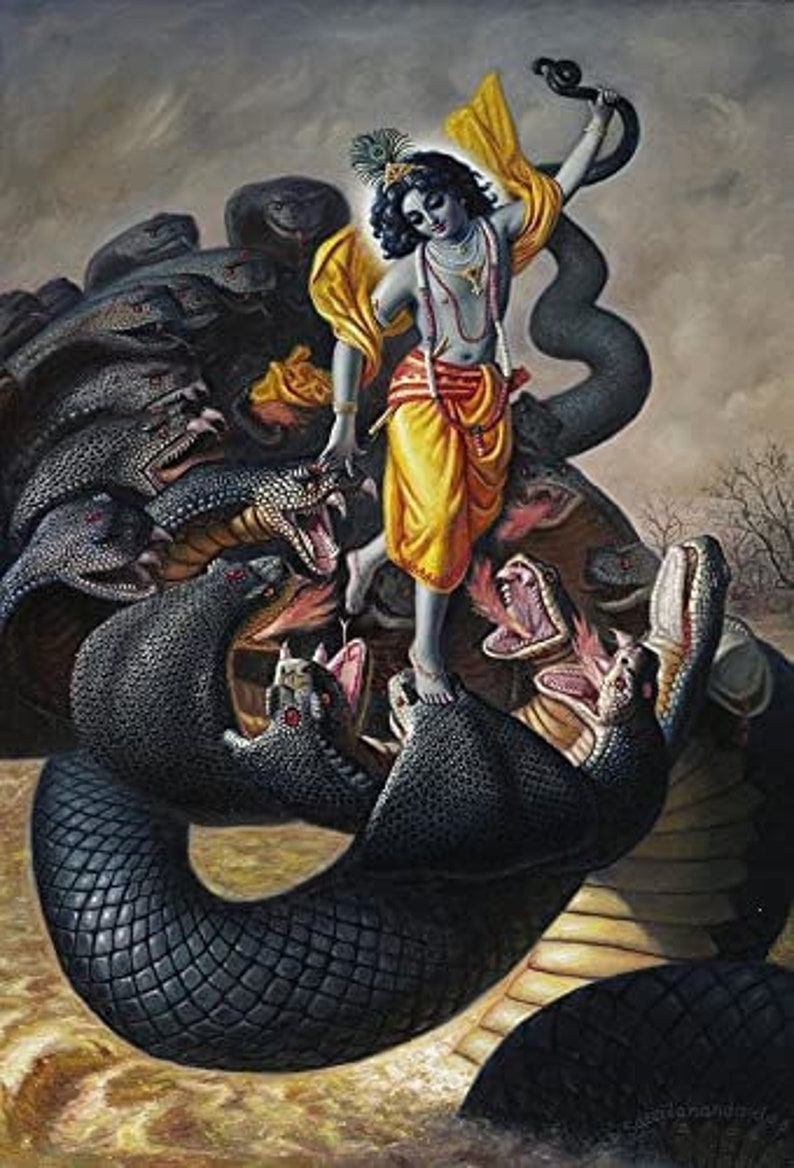
In Hindu mythology, during the churning of the ocean (Samudra Manthan), a potent poison emerged, threatening the balance of the world. To protect humanity, Lord Shiva courageously swallowed the poison, neutralising its destructive power. The snake Basuki played a vital role in this cosmic event as the churning rope, and in recognition of Basuki’s contribution, Lord Shiva adorned himself with the serpent as a divine ornament around his neck.

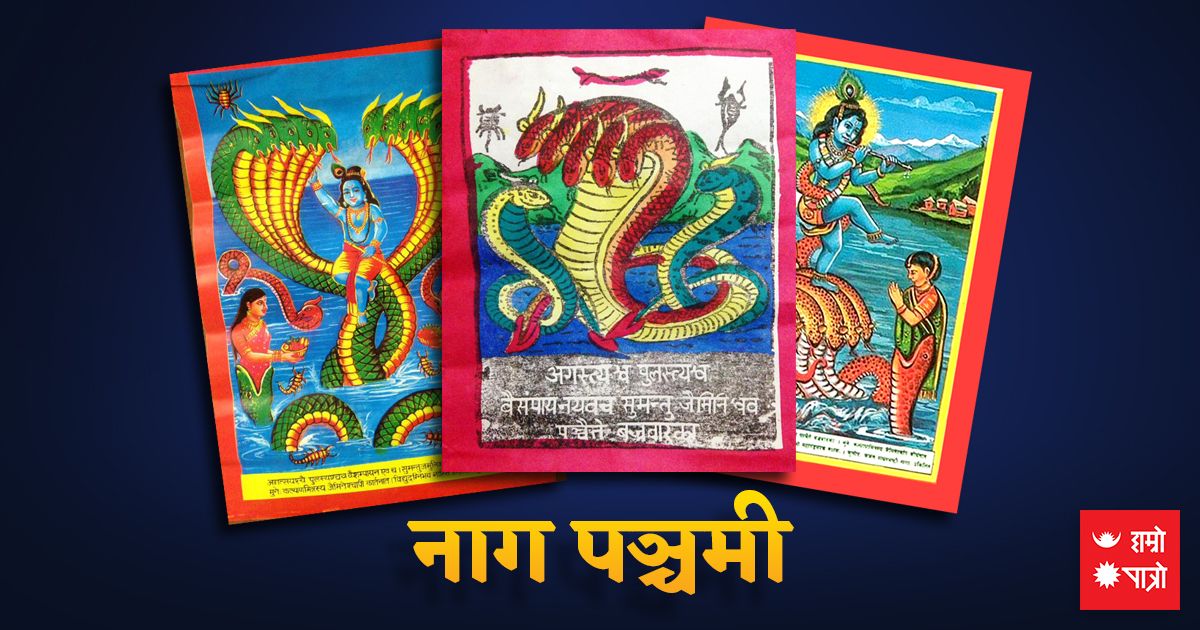
On Nag Panchami, we pay homage to eight sacred Nagas: Ananta, Basuki, Takshak, Karkotak, Padma, Mahapadma, Shankhpal, and Kuli. These revered serpents are believed to offer protection and blessings. By honoring them, we express our respect and seek their guardianship.

People celebrate Nag Panchami by offering milk, rice, flowers, and even eggs to snake idols or images, as well as to snake holes believed to be their homes. Some visit temples where real snakes are kept, seeking blessings for protection, good fortune, and prosperity. It is widely believed that worshiping snakes on this day can safeguard families from snake bites and ward off negative energies.

In homes across Nepal, families draw pictures of snakes on walls or doors using cow dung, turmeric, or red clay, which are then worshipped with offerings. This simple act of devotion symbolises respect and a plea for protection from these powerful and often misunderstood creatures. These customs highlight the deep connection between humans and nature, reminding us of the importance of living in harmony with all living beings.

Nag Panchami is more than just a ritual—it’s a time for families to come together, pass down stories and traditions from one generation to the next, and celebrate the richness of Nepal’s cultural heritage. In some regions, the festival is marked by folk dances, songs, and special meals, creating a sense of community and reinforcing bonds within families and neighborhoods.

Nag Panchami is a celebration of life, nature, and the divine. While the rituals may seem simple, they carry profound meaning, serving as an important part of our cultural heritage. Whether through offerings, prayers, or simply spending time with loved ones, this festival is a beautiful reminder of the spiritual connection we share with all living beings.

Wishing everyone a Happy Nag Panchami! May this festival bring blessings, harmony, and prosperity to all.

Take care, everyone!

XOXO

M from NepaliAustralian