Tag Archives: Nepali blog

Teej Celebration

Today marks the celebration of Teej, a festival cherished by Hindu women in Nepal. Observed on the 3rd day of Bhadra Shukla Paksha (as per the Nepali lunar calendar), Teej typically falls in late August or early September. This year, the Fasting day coincides with today. Though I am from the Newar community, where Teej is not traditionally celebrated, I love participating in the festivities here in Sydney with my friends.

Teej is a significant occasion where women fast to seek marital bliss, the well-being of their spouses and children, and purification of both body and soul. Married women fast for their husband’s long life, prosperity, and a strong, enduring bond that transcends not only this life but all lives to come. Unmarried women, on the other hand, pray for an ideal husband. Fasting is observed by most women and girls who have reached puberty, unless they are unwell or physically unable.

In Nepal, Teej is celebrated over four days, each holding its own special meaning:

  • The First Day (Dar Khane Din): A day of feasting and celebration.
  • The Second Day: The main fasting day.
  • The Third Day: A day of purification.
  • The Fourth Day (Rishi Panchami): A day dedicated to honoring the seven sages, or Rishis.

Dar Khane Din

The first day of Teej is known as “Dar Khane Din.” On this day, women dress in their finest attire and gather together to celebrate. Most wear red or dark pink saris, adorned with traditional pote (glass bead necklaces), chura (bangles), and gold jewelry. Some even apply intricate henna designs on their hands. The day is filled with joyous singing, dancing, and a grand feast that often continues until midnight, after which the 24-hour fast begins.

In Sydney, we celebrate Dar Khane Din by each preparing a dish and gathering at one house. We dance, sing, and enjoy dinner together. While most of us don’t fast, it’s a wonderful opportunity to wear saris, accessorise with jewellery, and have fun with friends. I really look forward to this day each year.

Fasting Day

The second day of Teej is the official fasting day. Many women abstain from both food and water for the entire day, while others take liquids and fruits, praying for their husband’s long life. This day is crucial in the Teej celebrations, as women dedicate their day to prayers and puja (worship).

In Nepal, the holy Pashupatinath temple becomes a focal point during Teej, with thousands of women in red saris offering their prayers to Lord Shiva. Women gather to perform puja to Lord Shiva and Goddess Parvati, offering flowers, sweets, and coins. A significant aspect of the puja ceremony is the lighting of an oil lamp, which must be kept burning throughout the night to ward off evil.

Purification Day

The third day of Teej is dedicated to purification. After fasting, women bathe and purify themselves with rituals that are intended to cleanse both the body and the soul. They often gather at temples, continuing their prayers to Lord Shiva. This day symbolises the renewal of the mind, body, and spirit, and it marks the conclusion of the fast. The rituals on this day bring a sense of serenity and peace, completing the process of spiritual renewal.

Rishi Panchami

The fourth and final day of Teej is called Rishi Panchami, a day devoted to honouring the seven great sages, or Rishis. On this day, women perform special rituals and pujas to seek forgiveness for any sins, especially those committed unknowingly during menstruation. It is a day of atonement and reverence for the wisdom of the Rishis. Women also take a ritual bath, symbolising purification, and offer their respect to the earth and nature. This day concludes the Teej festival with a focus on spiritual cleanliness and reverence for ancient traditions.

To everyone celebrating Teej today, I wish you a joyful and blessed day! May it bring you happiness, good health, and cherished memories.

M from Nepaliaustralian

XOXO

Please follow me on Instagram! and Please follow me on TikTok

Easy Burfi (Milk Cake ) recipe

Ingredients:

  • 150 ml condensed milk
  • 3 cups full cream milk powder
  • 1 cup full cream milk
  • 1 tablespoon crushed pistachios (plus extra for garnish)
  • 1 teaspoon cardamom powder
  • 1/2 tablespoon ghee
  • Optional: Crushed almonds for garnish

Instructions:

  • In a large mixing bowl, combine the full cream milk powder and full cream milk. Whisk until the mixture is smooth and free of lumps.
  • Gradually add the condensed milk while continuing to whisk. Ensure the mixture is well-blended and has a consistent texture.
  • Sprinkle in the cardamom powder and mix thoroughly to evenly distribute the flavour.
  • Heat a heavy-bottomed pan on low heat and add the ghee. Allow it to melt and coat the pan evenly.
  • Pour the milk mixture into the pan and start cooking on low heat. Stir the mixture continuously with a spatula to prevent it from sticking to the bottom or forming lumps.
  • Cook the mixture slowly, allowing it to thicken gradually. The key is to maintain a low temperature and consistent stirring, which will give the burfi a smooth and creamy texture.
  • As the mixture thickens and starts to pull away from the sides of the pan, continue cooking until it reaches a dough-like consistency. This will take about 10-15 minutes.
  • Once the mixture has thickened to the right consistency, remove it from the heat.
  • Prepare a cake pan or a square dish by lining it with baking paper. Grease the paper lightly with ghee to prevent sticking.
  • Pour the cooked mixture into the prepared pan. Use a spatula to spread it evenly and smooth the surface.
  • While the mixture is still warm, sprinkle the crushed pistachios (and almonds, if using) on top. Press them gently into the surface with the back of a spoon.
  • Allow the burfi to cool at room temperature for about 30 minutes. Then, place it in the refrigerator for 2-3 hours to set completely.
  • Once the burfi has set, remove it from the pan by lifting the baking paper. Cut it into squares or your desired shape.
  • Garnish with extra pistachios or a dusting of cardamom powder for an added touch.
  • Tips for the Best Milk Cake:
  • Use high-quality milk powder for a richer taste.
  • Ensure that the heat is kept low throughout the cooking process to avoid burning.
  • For an extra indulgent flavour, you can add a few drops of rose water or saffron strands while cooking the mixture.

Enjoy this deliciously rich and aromatic Burfi that melts in your mouth!

M from Nepaliaustralian

XOXO

Please follow me on Instagram! and Please follow me on TikTok

Aloo Paneer Matar Recipe

Ingredients:

  • Paneer: 500g, cut into cubes
  • Potatoes: 200g, peeled and cut into cubes
  • Peas: ½ cup
  • Onion: 1 medium, finely diced
  • Tomatoes: 2 small, finely diced
  • Coriander powder: 1 teaspoon
  • Cumin powder: 1 teaspoon
  • Red chili powder: ½ teaspoon (adjust to taste)
  • Garlic paste: 1 teaspoon
  • Ginger paste: 1 teaspoon
  • Turmeric powder: ½ teaspoon
  • Salt: To taste
  • Oil: For frying and cooking
  • Water: As needed

Instructions:

  1. Cut the paneer into bite-sized cubes.
  2. Heat a few tablespoons of oil in a pan over medium heat.
  3. Once the oil is hot, add the paneer cubes and fry until they are golden brown on all sides.
  4. Remove the paneer from the pan and set aside.
  5. Peel and dice the potatoes into small cubes.
  6. Boil the potatoes in salted water until they are tender.
  7. Drain the water and lightly mash the potatoes, leaving some texture. Set aside.
  8. In the pan, add a little more oil if needed.
  9. Add the turmeric powder to the hot oil and immediately add the diced onions.
  10. Sprinkle with a pinch of salt and cook the onions over medium heat until they turn golden and caramelised.
  11. Stir in the garlic paste and ginger paste, cooking for about a minute until the raw smell disappears.
  12. Add the cumin powder, coriander powder, and red chili powder. Mix well to coat the onions and release the flavours.
  13. Add the mashed potatoes to the pan and mix everything thoroughly.
  14. Cook the mixture for a few minutes, allowing the potatoes to absorb the spices and turn golden.
  15. Add the peas and stir them into the mixture, cooking for another 2-3 minutes.
  16. Add the diced tomatoes to the pan and stir well.
  17. Cook until the tomatoes soften and blend with the spices, forming a thick, rich masala.
  18. Pour in a little water to achieve your desired consistency and stir everything together.
  19. Gently fold the fried paneer cubes into the masala, ensuring they are well coated.
  20. Cover the pan and let it simmer on low heat for 5-7 minutes, allowing the paneer to soak up the flavours.
  21. Adjust salt and seasoning to taste. If you prefer a richer flavour, you can add a touch of garam masala or a splash of cream at this stage.
  22. Garnish with fresh coriander leaves if desired.
  23. Serve the Aloo Paneer Matar hot with roti, naan, or steamed rice. Enjoy your flavourful and hearty dish!

M from Nepaliaustralian

XOXO

Please follow me on Instagram! and Please follow me on TikTok

Cumquat Achar : A Sweet and Tangy Delight

If you live outside of Nepal and miss the taste of lapsi ko achar, I have the next best thing for you—cumquat achar! This sweet, tangy, and spicy pickle is a delicious alternative that you can easily make at home. Cumquat is called muntala in Nepali

Ingredients:

  • Cumquats: 1 Kg, cut in half or into thirds
  • Mustard oil: 2 tablespoons
  • Mustard seeds: 1 teaspoon
  • Hing (asafoetida): 1/4 teaspoon
  • Garlic: 4 cloves, chopped
  • Bay leaf: 8-10
  • Dried chili flakes: 1-2 teaspoons (adjust to taste)
  • Fresh hot chilies: Optional, for extra heat
  • Salt: To taste
  • Red chili powder: 1 teaspoon (adjust to taste)
  • Sugar: 200 gm (adjust to taste)

Instructions:

  1.  Start by cutting the cumquats in half or into thirds, depending on your preference.
  2. In a pan, heat mustard oil until it’s hot and shimmering.
  3. Add mustard seeds, hing, chopped garlic, bay leaf, and chili flakes to the hot oil. If you like extra heat, add some fresh hot chilies as well. Fry the spices for a few minutes until they release a rich, aromatic flavour.
  4.  Now Add the cumquats to the pan and stir-fry them until they soften, about 2-3 minutes. Add salt and red chili powder, mix well, and cover the pan. Let it cook for a 5 minutes.
  5.  Add sugar to the pan and mix well. Cover the pan again and let it cook for a few more minutes until the sugar dissolves and the flavours come together. Turn off the heat and let the achar cool down.
  6. Once cooled, transfer the achar to a glass jar. Refrigerate it, and it can be enjoyed for up to 3 months.

Enjoy, a delicious, tangy, and spicy homemade cumquat achar with your meals!

M from Nepaliaustralian

XOXO

Please follow me on Instagram! and Please follow me on TikTok

Janai Purnima (The Sacred Thread Festival of Nepal), Kwati Purnima and Raksha Bandhan

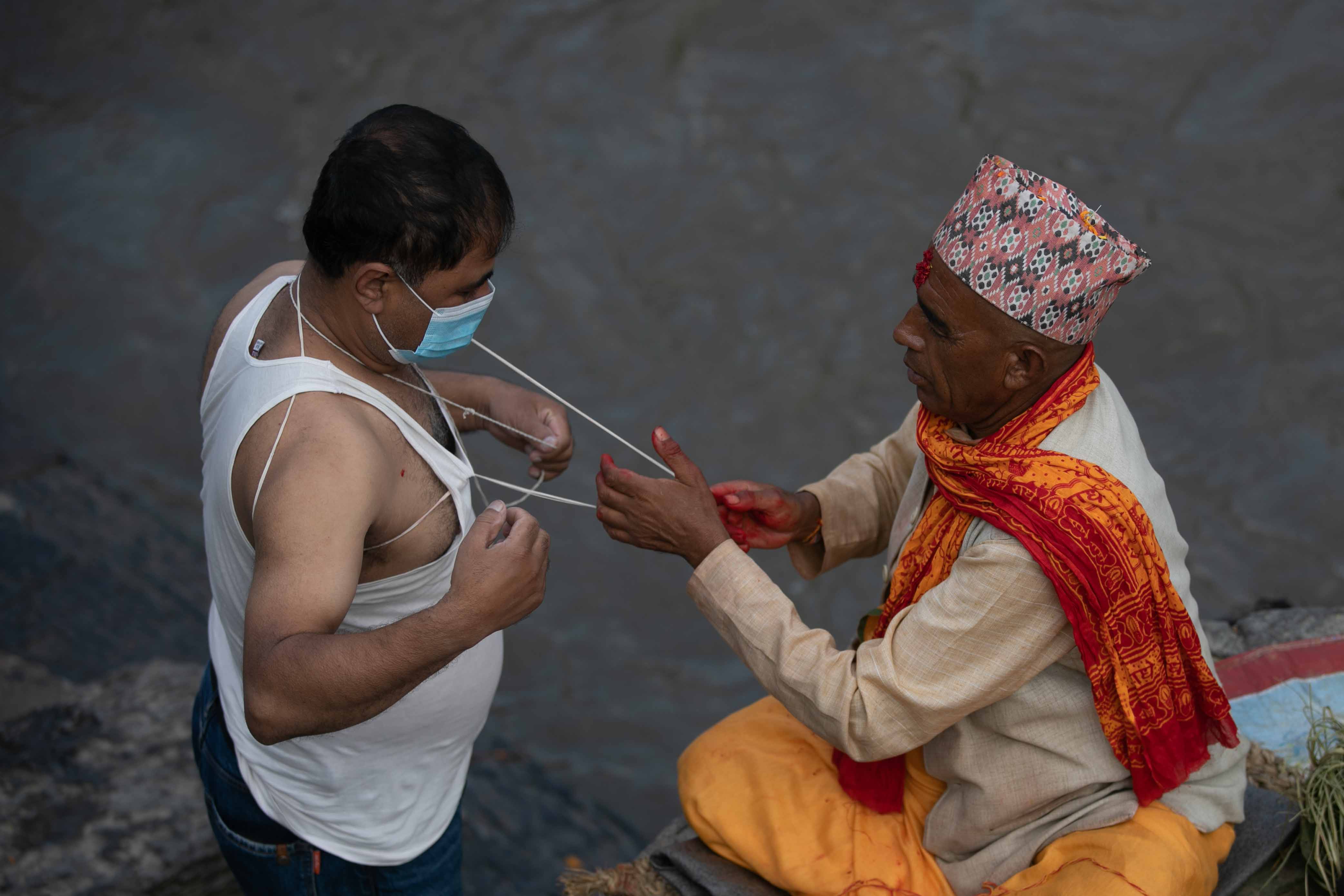
Today, we celebrate Janai Purnima, a festival deeply intertwined with Nepali culture and Hindu tradition. This day is particularly meaningful as it marks the time to renew their “janai,” the sacred thread they wear daily.

The janai is first bestowed upon a boy during his Bratabandha ceremony, a rite of passage signifying his initiation into manhood. On Janai Purnima, men come together to perform the sacred ritual of changing the thread while reciting powerful mantras. This thread, representing purity and protection, is worn as a bracelet until the next year’s festival, when the cycle of renewal begins again.

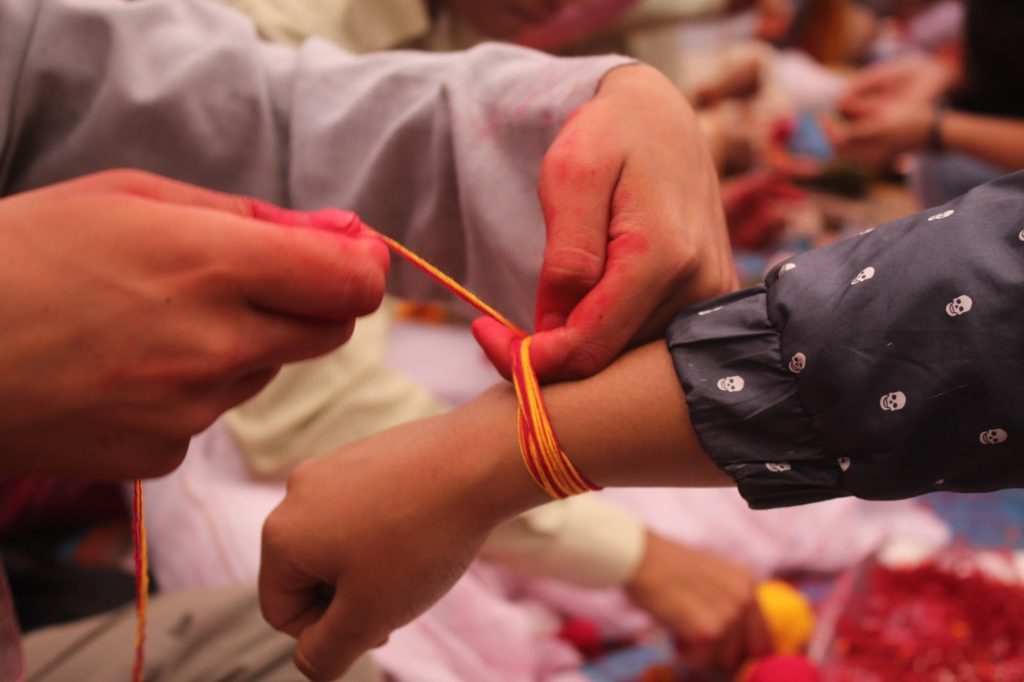
However, Janai Purnima is not solely about the janai. It’s also a day when men, women, and children, regardless of caste, participate in the ritual of tying a sacred yellow thread around their wrists. Men tie this thread on their right wrist, while women tie it on their left. This thread symbolises protection and is believed to bring good luck. Traditionally, it is removed on Laxmi Puja, three months later, and tied to the tail of a cow. In the absence of a cow, the thread can be thrown into a fast-moving river or tied to a plant—like the one I have in my office from last year’s celebration!

The sacred thread carries profound spiritual significance. According to tradition, when the wearer passes away, the cow to whom the thread was tied will help them cross the mythical river Bhaitarna, easing their journey into the afterlife.

Throughout Nepal, Janai Purnima is celebrated with a variety of rituals. Devotees flock to temples, shrines, and riverbanks to perform puja and offer prayers. The day is also marked by communal feasts and gatherings, where families and communities come together in joyful celebration.

Janai Purnima is more than just a religious observance; it is a rich tapestry of cultural practices, spiritual devotion, and the strengthening of family bonds. As Nepal’s streets come alive with the vibrant colors of sacred threads and the sounds of prayers, this festival serves as a powerful reminder of the values that unite us, no matter where in the world we may be.

Today is also celebrated as Kwati Purni in Newar community, a festival named after the cherished dish ‘Kwati.’ This nutritious and hearty soup is made from a combination of nine different soaked and sprouted beans, each bringing its own unique flavor and health benefits. The beans typically used include mung beans (mung), soya beans (bhatmas), red kidney beans (rajma), black grams (mas), black-eyed peas (bodi), fava beans (bakulla), chickpeas/whole grams (chana), field peas (kerau), and white beans (seto simi).

Traditionally, Kwati was a staple for farmers, consumed to rejuvenate their tired bodies during the labor-intensive rice plantation season. Its rich nutritional profile provided the much-needed strength and energy for the hard work in the fields. Beyond its role as a farmers’ food, Kwati is also valued for its digestive benefits and its ability to address various health issues, making it a dish that nourishes both body and soul.

In modern times, Kwati has become more than just a practical meal; it’s a symbol of tradition and a celebration of Nepalese culinary heritage. The preparation and sharing of Kwati bring families together, fostering a sense of community and continuity. Whether enjoyed as a comforting meal on a rainy day or as a festive dish during Kwati Purnima, this soup holds a special place in Nepali culture.

For those interested in making Kwati at home, I’ve shared the recipe here, where you can learn how to prepare this delicious and nourishing soup yourself.

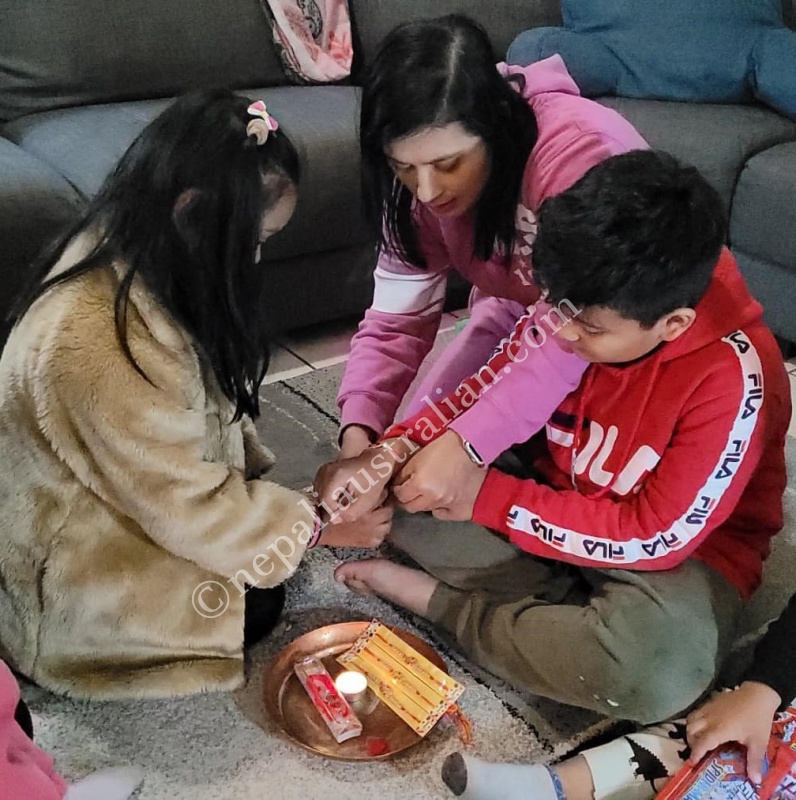
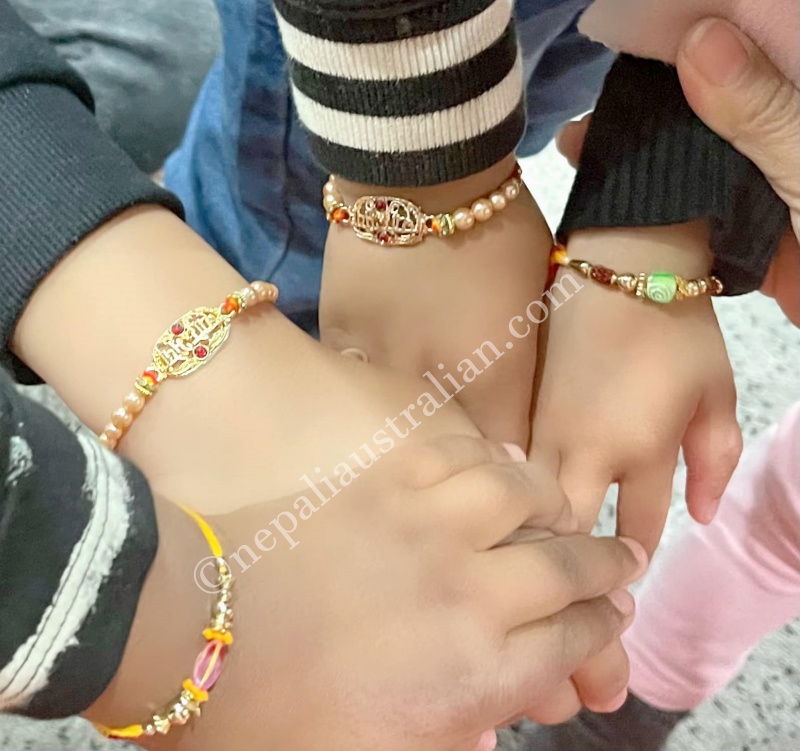
Janai Purnima also coincides with Raksha Bandhan, a cherished tradition where sisters tie rakhis—beautifully decorative bracelets—around their brothers’ wrists. This act symbolises love, protection, and care. In return, brothers give sweets or gifts, reinforcing the bonds of kinship and friendship.

This day is marked by a renewal of spiritual vows and a recommitment to the values symbolised by the janai, which consists of three strands representing purity, spiritual protection, and moral integrity.

The exchange of rakhis is a joyful celebration of sibling love, adding a warm and familial aspect to the festival. The mutual exchange of gifts and promises between brothers and sisters strengthens these bonds and creates lasting memories.

Although I didn’t grow up celebrating Raksha Bandhan, it has become a cherished tradition since I had children. Each year, we have a small ceremony with my brother’s children, and the kids are always so excited to participate. They love the unique traditions and, of course, the exchange of gifts! These moments are precious to me because, even though we are far from Nepal, my children are growing up learning about and staying connected to their Nepali heritage.

M from Nepaliaustralian

XOXO

Please follow me on Instagram! and Please follow me on TikTok