Tag Archives: Nepaliaustralian

Sri Krishna Janmashtami

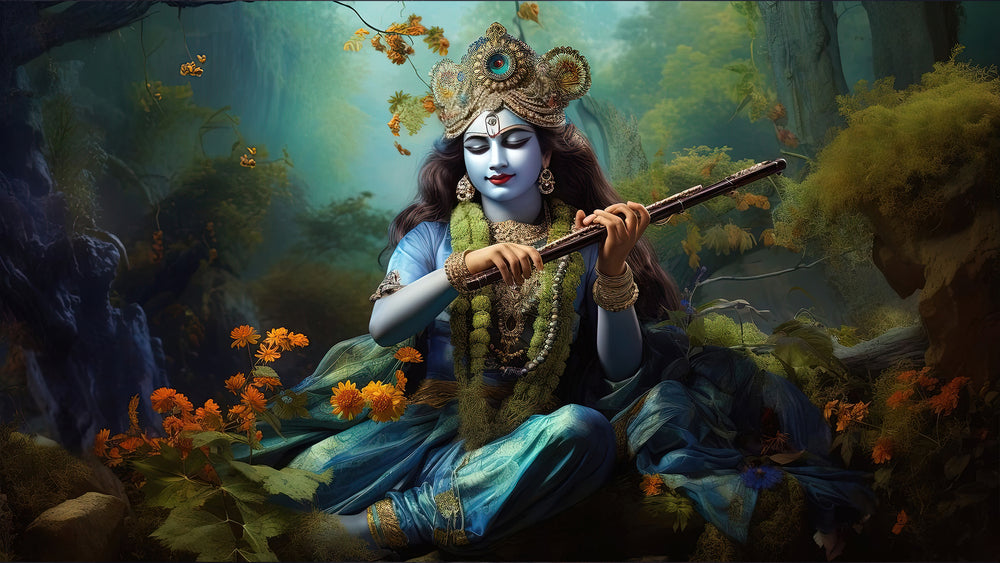
Today is Sri Krishna Janmashtami, a revered festival celebrating the divine birth of Lord Krishna. This festival is observed on the Ashtami Tithi—the eighth day of the dark fortnight (Krishna Paksha) in the month of Bhadra according to the Nepali Bikram Sambat calendar. In the Gregorian calendar, it typically falls in August or September.

Sri Krishna Janmashtami is more than just a festival; it is a profound expression of devotion, spirituality, and the eternal battle between good and evil. On this day, Hindus around the world unite in celebration, fasting until midnight—the sacred hour believed to mark the moment of Krishna’s birth. The day is filled with the chanting of verses from the Bhagavad Gita, the singing of bhajans, and the joyous celebration of kirtans. Temples dedicated to Lord Krishna are adorned with vibrant decorations, and the air is filled with the sounds of devotion and the scent of incense.
In Nepal, the Krishna Mandir in Patan Durbar Square, along with the Narayanhiti Krishna Mandir and other significant temples, become the epicenters of Janmashtami celebrations. Devotees flock to these sacred sites, transforming the night into a vibrant tapestry of faith and devotion. As they gather in large numbers, their hearts are united by the love and reverence they hold for Lord Krishna. The sight of women chanting Krishna’s many names, ‘Narayan, Narayan’ and ‘Gopal, Gopal,’ and the rhythmic clapping of hands in tune with ancient hymns creates an atmosphere of divine energy. The narrow steps leading to the temple’s inner sanctum are filled with worshippers, each offering flowers, coins, and food, yearning for a glimpse of the sacred idol of Krishna. After receiving ‘prasad’—the blessed food offerings—from the temple priests, they return home, their spirits uplifted and hearts content.

The festival also features the installation of beautiful cribs holding small idols of ‘Balgopal’ (baby Krishna), symbolising the joyous moment of his birth. These cribs, often referred to as “jhulas,” are tenderly decorated in Krishna temples, evoking the playful and endearing nature of the child-god. Additionally, the night comes alive with performances of Krishna Lila, dramatic reenactments of Lord Krishna’s life, showcasing his divine play (Lila) and his role as the protector of dharma (righteousness).
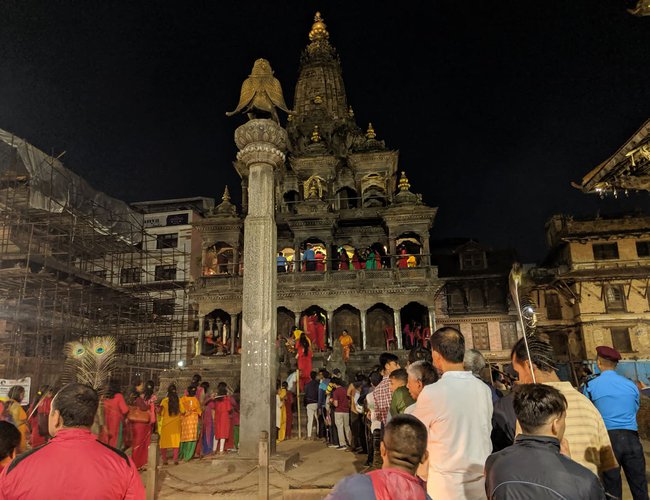
But beyond the rituals and festivities, Krishna Janmashtami carries a profound message that resonates through the ages. In the Bhagavad Gita, Krishna famously declares, “Whenever there is a decline in righteousness and an increase in unrighteousness, I manifest myself on earth.” This statement is not merely a declaration of divine intervention but a promise that goodness will always find a way to triumph over evil. Krishna Janmashtami serves as a powerful reminder that in times of darkness, when the world seems engulfed by sin and corruption, divine intervention will restore balance and order. The festival symbolises hope, the promise of renewal, and the assurance that no matter how overwhelming the forces of darkness may seem, the light of truth and righteousness will always prevail.

During Krishna Janmashtami, one of the most delightful sights is seeing little kids dressed up as Lord Krishna. Adorned in vibrant dhotis, peacock feathers, and tiny flutes, they embody the playful and charming spirit of Krishna, bringing joy to everyone around. The innocence of these young ones, coupled with their radiant smiles, adds a special sweetness to the celebration, making the occasion even more heartwarming. It’s a beautiful tradition that not only honours the birth of Lord Krishna but also creates cherished memories for families and communities. Just look at chhora as Krishna ji—it’s simply too adorable!

Sri Krishna Janmashtami, therefore, is not just a celebration of Krishna’s birth but a reaffirmation of our faith in the ultimate victory of good over evil, a timeless truth that continues to inspire and guide us through life’s challenges.

M from Nepaliaustralian

XOXO

Please follow me on Instagram! and Please follow me on TikTok

Janai Purnima (The Sacred Thread Festival of Nepal), Kwati Purnima and Raksha Bandhan

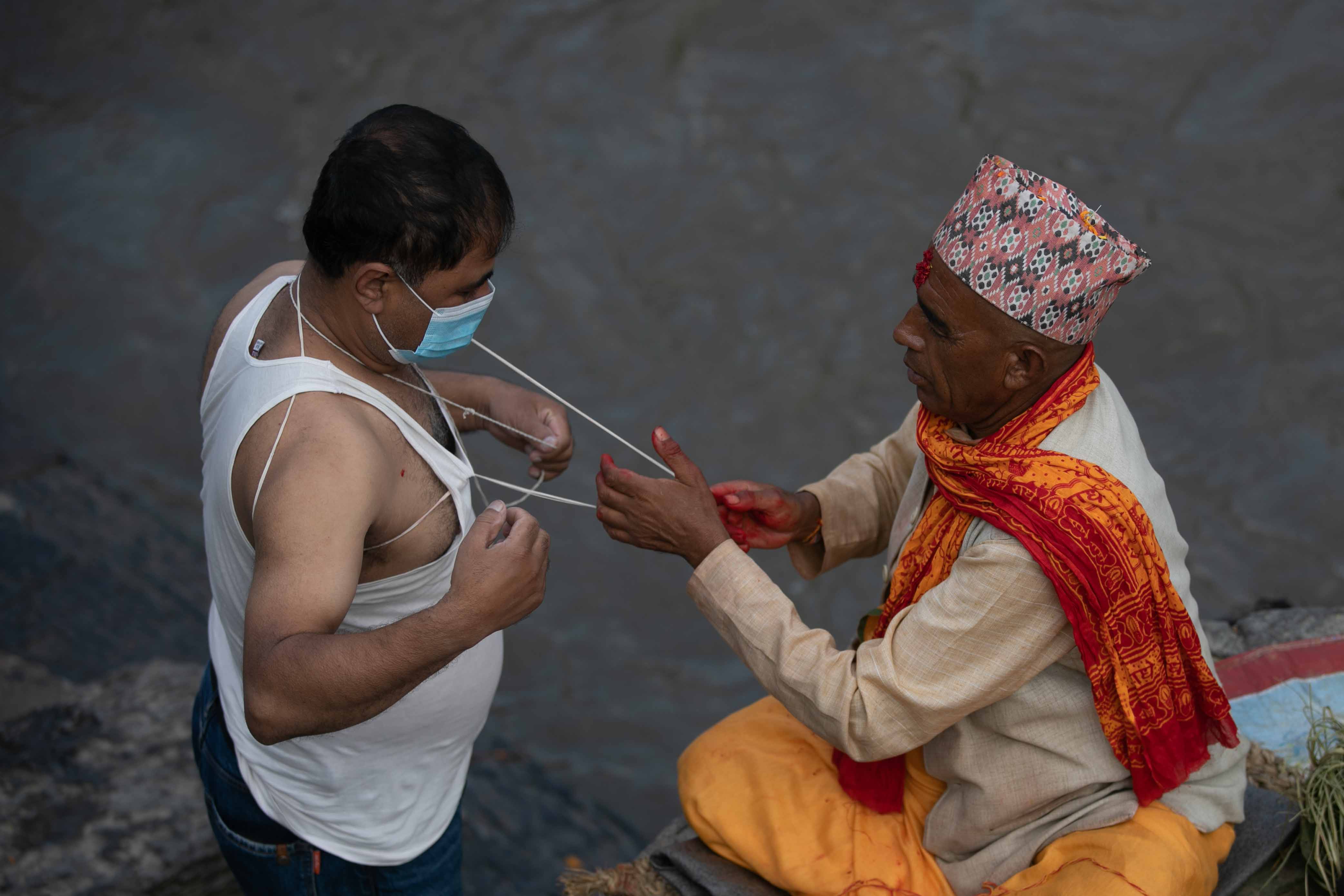
Today, we celebrate Janai Purnima, a festival deeply intertwined with Nepali culture and Hindu tradition. This day is particularly meaningful as it marks the time to renew their “janai,” the sacred thread they wear daily.

The janai is first bestowed upon a boy during his Bratabandha ceremony, a rite of passage signifying his initiation into manhood. On Janai Purnima, men come together to perform the sacred ritual of changing the thread while reciting powerful mantras. This thread, representing purity and protection, is worn as a bracelet until the next year’s festival, when the cycle of renewal begins again.

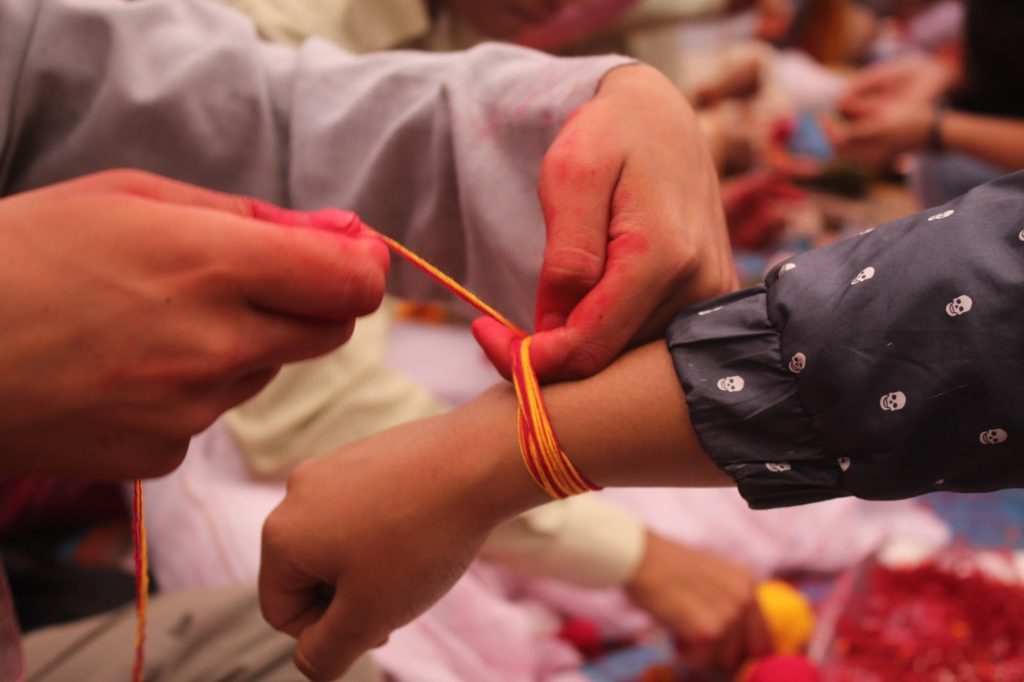
However, Janai Purnima is not solely about the janai. It’s also a day when men, women, and children, regardless of caste, participate in the ritual of tying a sacred yellow thread around their wrists. Men tie this thread on their right wrist, while women tie it on their left. This thread symbolises protection and is believed to bring good luck. Traditionally, it is removed on Laxmi Puja, three months later, and tied to the tail of a cow. In the absence of a cow, the thread can be thrown into a fast-moving river or tied to a plant—like the one I have in my office from last year’s celebration!

The sacred thread carries profound spiritual significance. According to tradition, when the wearer passes away, the cow to whom the thread was tied will help them cross the mythical river Bhaitarna, easing their journey into the afterlife.

Throughout Nepal, Janai Purnima is celebrated with a variety of rituals. Devotees flock to temples, shrines, and riverbanks to perform puja and offer prayers. The day is also marked by communal feasts and gatherings, where families and communities come together in joyful celebration.

Janai Purnima is more than just a religious observance; it is a rich tapestry of cultural practices, spiritual devotion, and the strengthening of family bonds. As Nepal’s streets come alive with the vibrant colors of sacred threads and the sounds of prayers, this festival serves as a powerful reminder of the values that unite us, no matter where in the world we may be.

Today is also celebrated as Kwati Purni in Newar community, a festival named after the cherished dish ‘Kwati.’ This nutritious and hearty soup is made from a combination of nine different soaked and sprouted beans, each bringing its own unique flavor and health benefits. The beans typically used include mung beans (mung), soya beans (bhatmas), red kidney beans (rajma), black grams (mas), black-eyed peas (bodi), fava beans (bakulla), chickpeas/whole grams (chana), field peas (kerau), and white beans (seto simi).

Traditionally, Kwati was a staple for farmers, consumed to rejuvenate their tired bodies during the labor-intensive rice plantation season. Its rich nutritional profile provided the much-needed strength and energy for the hard work in the fields. Beyond its role as a farmers’ food, Kwati is also valued for its digestive benefits and its ability to address various health issues, making it a dish that nourishes both body and soul.

In modern times, Kwati has become more than just a practical meal; it’s a symbol of tradition and a celebration of Nepalese culinary heritage. The preparation and sharing of Kwati bring families together, fostering a sense of community and continuity. Whether enjoyed as a comforting meal on a rainy day or as a festive dish during Kwati Purnima, this soup holds a special place in Nepali culture.

For those interested in making Kwati at home, I’ve shared the recipe here, where you can learn how to prepare this delicious and nourishing soup yourself.

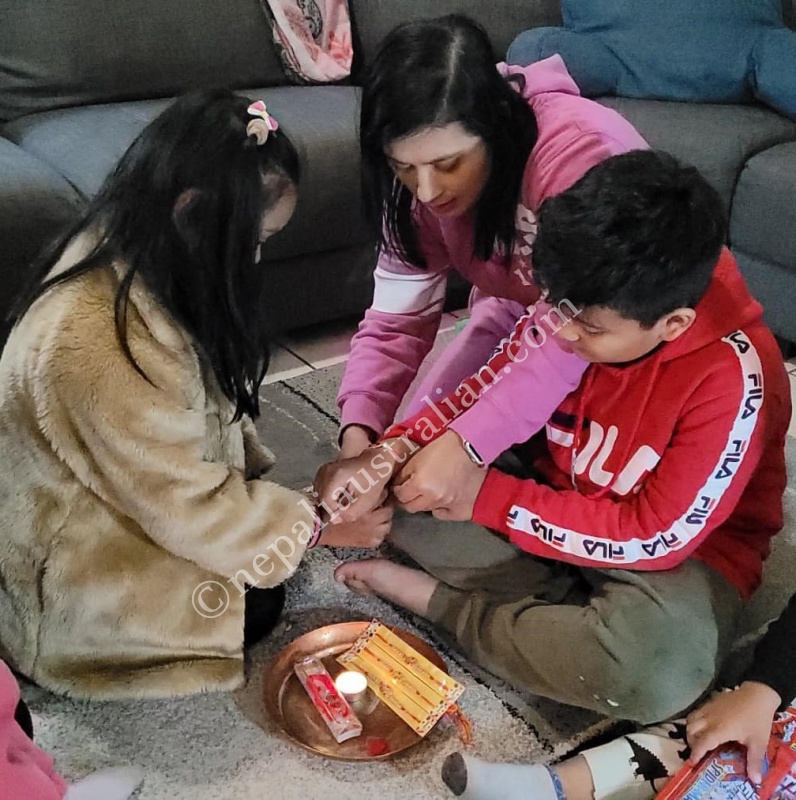
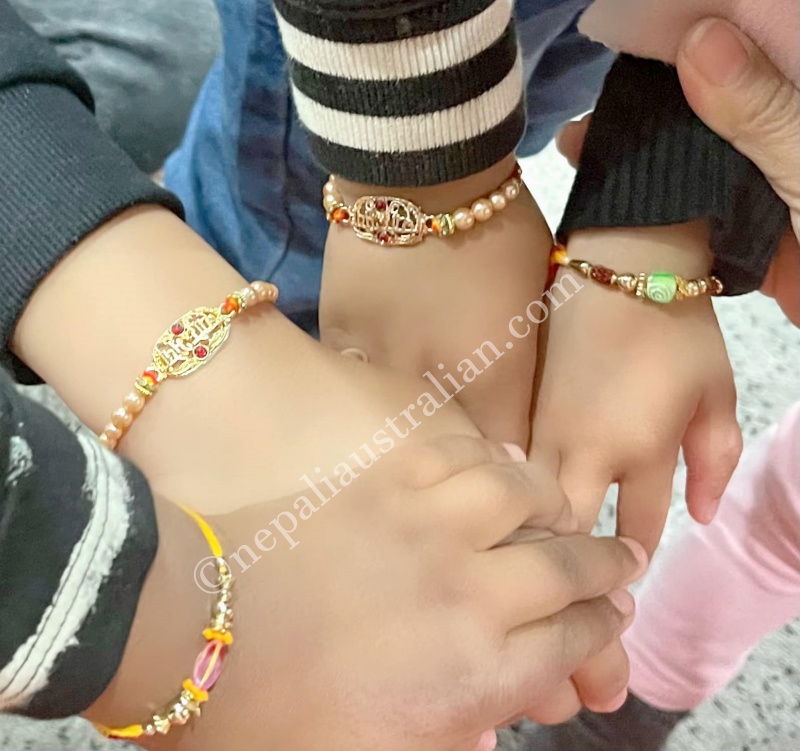
Janai Purnima also coincides with Raksha Bandhan, a cherished tradition where sisters tie rakhis—beautifully decorative bracelets—around their brothers’ wrists. This act symbolises love, protection, and care. In return, brothers give sweets or gifts, reinforcing the bonds of kinship and friendship.

This day is marked by a renewal of spiritual vows and a recommitment to the values symbolised by the janai, which consists of three strands representing purity, spiritual protection, and moral integrity.

The exchange of rakhis is a joyful celebration of sibling love, adding a warm and familial aspect to the festival. The mutual exchange of gifts and promises between brothers and sisters strengthens these bonds and creates lasting memories.

Although I didn’t grow up celebrating Raksha Bandhan, it has become a cherished tradition since I had children. Each year, we have a small ceremony with my brother’s children, and the kids are always so excited to participate. They love the unique traditions and, of course, the exchange of gifts! These moments are precious to me because, even though we are far from Nepal, my children are growing up learning about and staying connected to their Nepali heritage.

M from Nepaliaustralian

XOXO

Please follow me on Instagram! and Please follow me on TikTok
Tao Restaurant and Bar, Sydney : Review

Just had an incredible dining experience at Tao Restaurant and Bar in the city! From start to finish, everything was top-notch, and I can’t wait to share the details.

The ambiance at Tao was perfect for our get-together. We were lucky to snag a spacious corner table for our party of eight, which made for a fantastic evening. As we settled in, we began with a round of cocktails and wines that set the tone for a great night ahead.

Our appetizers were nothing short of exceptional. We kicked things off with Shepherd’s Purse Wonton, paired with Red Chilli Oil and Sesame Paste—so flavourful! The Chicken San Choy Bao was a delightful bite, and the Salt and Pepper Tofu was crispy and perfectly seasoned. The Typhoon Shelter Style Eggplant with Garlic & Chilli was a standout, offering a deliciously spicy kick.

For the mains, we were in for a treat. We enjoyed the Braised Eggplant with Chicken Mince and Szechuan Chilli Paste—a harmonious blend of Flavors. The Stewed Plum Duck with Five Spices and Grapes was tender and succulent, while the Red Braised Pork Belly with Greenlip Abalone, Black Soya Sauce, and Plum was rich and indulgent. The Pan Seared Scallops with Braised Foie Gras Paste, Sugar Snap Peas, and Mushrooms were a culinary highlight. Each dish was meticulously prepared and absolutely mouthwatering.

While everything was delicious, my personal favourites were the eggplant and the pork. The combination of flavours and textures was simply unbeatable.

To cap off the evening, we were given fortune cookies. Mine cheekily said ‘Travel,’ which I took as a sign that it’s time to start planning my next adventure!

Overall, we had a fantastic time catching up with friends over such delectable food. I wholeheartedly recommend Tao Restaurant and Bar. Just a heads up—make sure to book in advance, especially on weekends, as it gets quite busy!

M from Nepaliaustralian

XOXO

Please follow me on Instagram! and Please follow me on TikTok
Our Trip to Snowy Mountain: Perisher Valley

After a restful night in Cooma, we woke up early, determined to make the most of our day at Perisher Valley. The anticipation was palpable as we hired car chains and toboggans once again before setting off. The drive from Cooma to Perisher took just over an hour, with the landscape gradually transforming into a winter wonderland as we ascended into the mountains.

Arriving at the entrance to Perisher Valley, we were relieved and thrilled to find that we could get in. After paying the $29 National Park fee, we eagerly made our way to the car park. It was around 9:15 am, and despite being early, the car park was already about 70% full—a testament to how popular this spot is during the snow season.

As we stepped out of the car, the beauty of Perisher Valley took our breath away. The fresh snowfall from the previous night had blanketed everything in a pristine layer of white, making the whole valley look like a scene from a postcard. The kids were especially excited; it was like stepping into a winter fairy tale.

We quickly got ready, bundled up in our warmest clothes, and headed to the toboggan hills. Initially, Chhora tobogganed with me and my husband, but soon his confidence grew, and he wanted to go down on his own. Watching his joy and excitement as he sped down the hill was priceless. We must have gone up and down that hill a hundred times, each run more exhilarating than the last.

In between tobogganing, we found time to build a snowman. It was a family effort, and the kids were particularly proud of the end result, complete with a carrot nose and a scarf. Snowball fights erupted spontaneously, filling the air with laughter and playful shouts. We even managed to lie down and make snow angels, adding to the magic of the day.

We took countless photos and videos, wanting to capture every moment of our snowy adventure. The backdrop of snow-covered trees and mountains made every picture look spectacular. By the end of the day, we were all exhausted but immensely satisfied. Our cheeks were rosy from the cold, and our hearts were full from all the fun and family bonding.

As the afternoon wore on and the wind started to pick up, making the air even colder, we decided it was time to head back. Packing up our gear, we made our way back to our car, tired but happy. The drive back to Cooma was quiet, with everyone reflecting on the day’s adventures.

Being able to spend the day at Perisher and toboggan as we had planned made the trip truly worthwhile. It was a day filled with joy, laughter, and unforgettable memories. We can’t wait to plan our next snow trip—Perisher Valley, we’ll be back!

M from Nepaliaustralian

XOXO

Please follow me on Instagram! and Please follow me on TikTok

Cooma Cottage, Cooma : Review

During our recent snow trip, we had the pleasure of staying at Cooma Cottage in Cooma, and it was a wonderful experience. This charming retreat features three beautifully furnished bedrooms, comfortably accommodating up to nine guests. Each room is equipped with cosy beds and plenty of warm doonas, ensuring a restful night’s sleep after a day in the snow.

The cottage itself exudes a welcoming ambiance that made us feel right at home. The fully equipped kitchen was stocked with a wide variety of cooking items, plates, and cutlery, making it easy to prepare dinners and breakfasts.

The seamless communication further enhanced our stay, making Cooma Cottage the perfect base for our winter adventures. Whether we were unwinding on the sofa or planning our next day’s activities, the cottage provided the ideal blend of comfort and convenience.

I highly recommend this place for your stay in the Snowy Mountains if you’re heading there for your winter holidays.

We found the place through booking.com.

Address : 31 Baron Street, 2630 Cooma, Australia

M from Nepaliaustralian

XOXO

Please follow me on Instagram! and Please follow me on TikTok