
Did you know that we have a festival dedicated to snakes? It’s called Nag Panchami, and we had the pleasure of celebrating it yesterday with much joy and devotion.
Nag Panchami is a unique and sacred festival in Nepal where we honour snakes, revered as protectors and symbols of fertility in Hindu culture. Celebrated during the auspicious month of Shrawan, this festival is observed with great reverence by many Nepali families, each adding their own traditions and practices to the day.
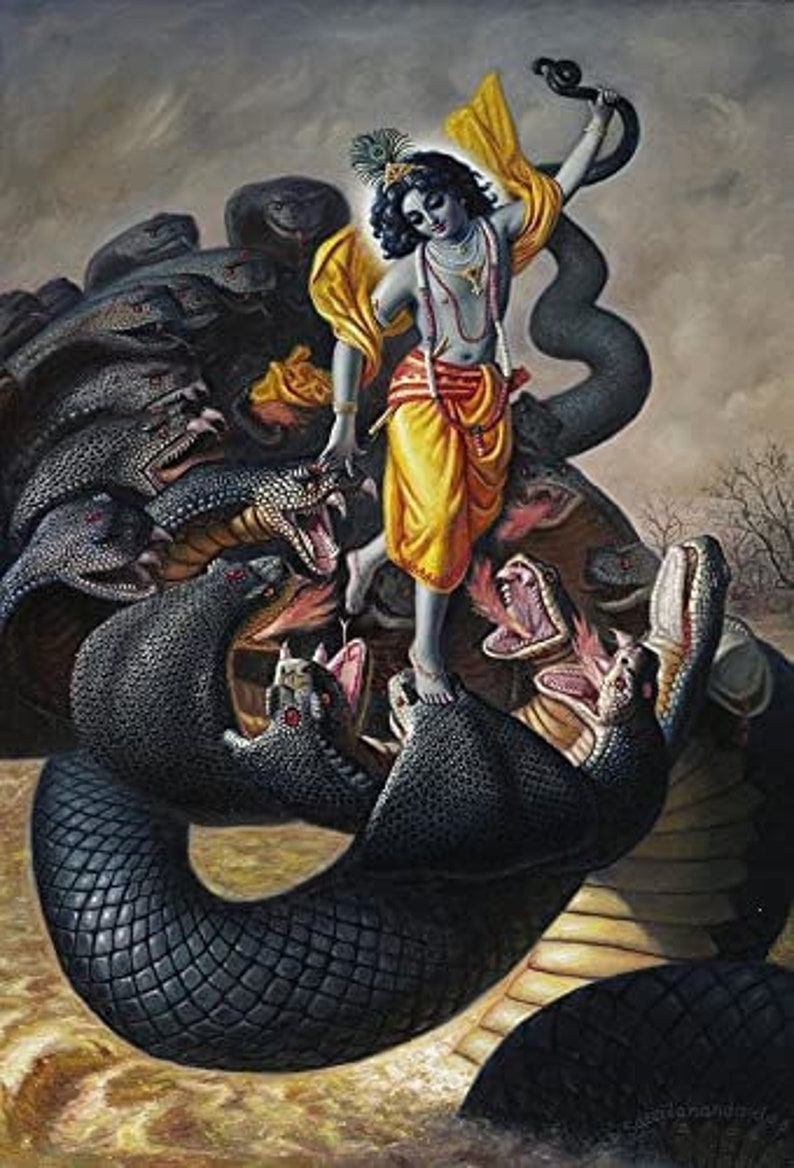
In Hindu mythology, during the churning of the ocean (Samudra Manthan), a potent poison emerged, threatening the balance of the world. To protect humanity, Lord Shiva courageously swallowed the poison, neutralising its destructive power. The snake Basuki played a vital role in this cosmic event as the churning rope, and in recognition of Basuki’s contribution, Lord Shiva adorned himself with the serpent as a divine ornament around his neck.
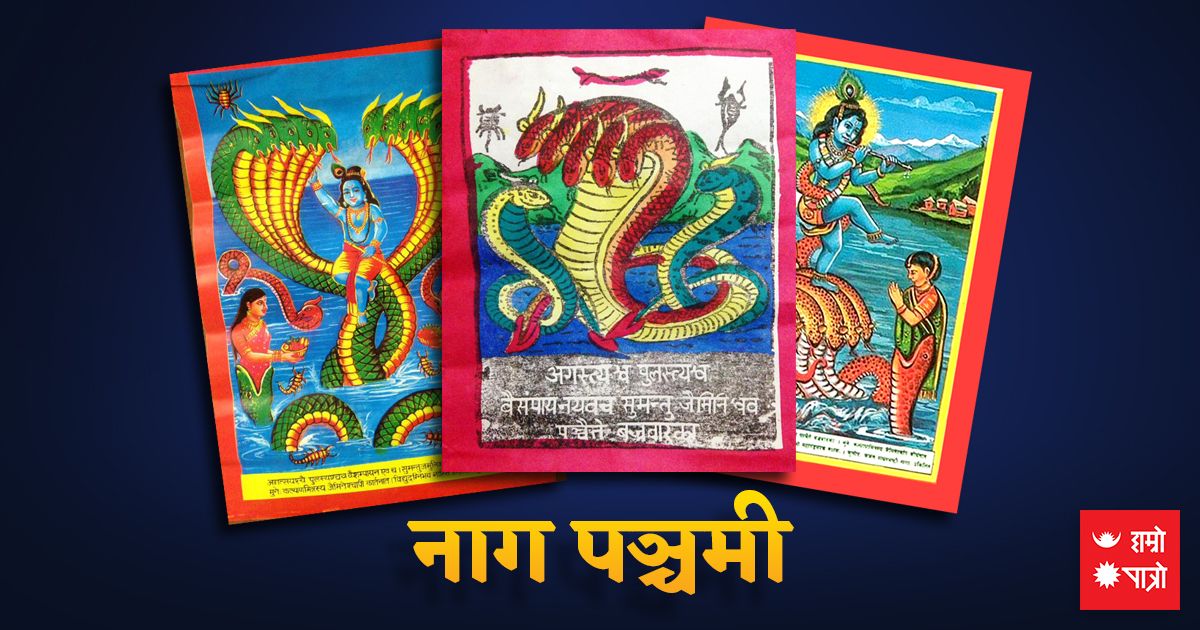
On Nag Panchami, we pay homage to eight sacred Nagas: Ananta, Basuki, Takshak, Karkotak, Padma, Mahapadma, Shankhpal, and Kuli. These revered serpents are believed to offer protection and blessings. By honoring them, we express our respect and seek their guardianship.
People celebrate Nag Panchami by offering milk, rice, flowers, and even eggs to snake idols or images, as well as to snake holes believed to be their homes. Some visit temples where real snakes are kept, seeking blessings for protection, good fortune, and prosperity. It is widely believed that worshiping snakes on this day can safeguard families from snake bites and ward off negative energies.


In homes across Nepal, families draw pictures of snakes on walls or doors using cow dung, turmeric, or red clay, which are then worshipped with offerings. This simple act of devotion symbolises respect and a plea for protection from these powerful and often misunderstood creatures. These customs highlight the deep connection between humans and nature, reminding us of the importance of living in harmony with all living beings.
Nag Panchami is more than just a ritual—it’s a time for families to come together, pass down stories and traditions from one generation to the next, and celebrate the richness of Nepal’s cultural heritage. In some regions, the festival is marked by folk dances, songs, and special meals, creating a sense of community and reinforcing bonds within families and neighborhoods.
Nag Panchami is a celebration of life, nature, and the divine. While the rituals may seem simple, they carry profound meaning, serving as an important part of our cultural heritage. Whether through offerings, prayers, or simply spending time with loved ones, this festival is a beautiful reminder of the spiritual connection we share with all living beings.
Wishing everyone a Happy Nag Panchami! May this festival bring blessings, harmony, and prosperity to all.
Take care, everyone!
XOXO
M from NepaliAustralian
















 nepaliaustralian