Shrawan, the fourth month in the Nepali Hindu calendar, is steeped in religious and cultural significance. This month is considered the holiest for Hindus, with rituals and traditions that embody devotion, purification, and the deep connection between the divine and human realms.
The word “Sankranti” in the context of Shrawan Sankranti refers to the Sun’s transition from one Rashi (zodiac sign in Nepali astrology) to another, signaling the beginning of a new Nepali month. Specifically, Shrawan Sankranti marks the Sun’s southward journey, an event that is both astronomically and spiritually important.
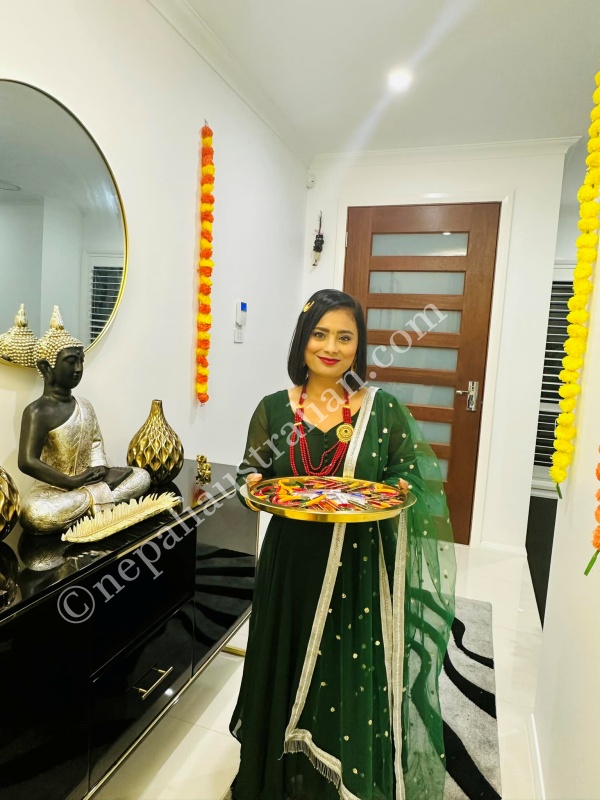
From the very first day of Shrawan (which fell on July 17 this year), social media and public spaces alike are vibrant with images of women adorned in mehendi (henna) and green and yellow chura (bangles). These colors are not just for beauty; they symbolise fertility, prosperity, and the health of their families. The entire month is dedicated to these rituals, with Mondays, or Shrawan Somvars, being particularly significant. Each Shrawan Somvar, devotees flock to Shiva temples, fasting and offering prayers to Lord Shiva, the god of destruction and transformation.
Shrawan’s importance is deeply rooted in Hindu mythology. It is said that Sati Devi, in her previous birth, vowed to have Mahadev (Lord Shiva) as her husband in every lifetime. After her death, she was reborn as Parvati, who fasted and prayed throughout the month of Shrawan, eventually winning Shiva’s heart and becoming his consort. This story is why Shrawan is so sacred and why women, especially, dedicate this month to worshiping Lord Shiva, seeking his blessings for marital bliss and familial prosperity.

Throughout Shrawan, married women wear red attire complemented by green and yellow glass bangles, along with green pote (glass beads) around their necks. These adornments are more than just accessories; they are symbols of devotion and prayers for the long life and well-being of their husbands. For unmarried girls, wearing these bangles during Shrawan is a hopeful gesture, symbolising their wish for a good husband and a happy marriage.

The spiritual fervour of Shrawan is also evident in the Bol Bam pilgrimage. Devotees undertake this challenging journey, walking or running barefoot, often covering great distances to reach the Pashupatinath Temple and other Shiva temples. Along the way, they chant ‘Bol Bam,’ which means “Say Shiva,” as a form of devotion and penance. The pilgrimage is believed to bring blessings, good health, wealth, and happiness to the devotees and their families.

In addition to these rituals, Shrawan is also a time for various religious festivals and fasts. One of the most celebrated festivals during this month is Nag Panchami, where snakes are worshiped as protectors and symbols of fertility. Devotees offer milk, rice, and flowers to snake idols or real snakes, seeking their protection and blessings.
The month is also associated with the practice of fasting, especially by women. Mondays are often observed with strict fasting, where women consume only water or fruits and spend the day in prayer, reciting mantras dedicated to Lord Shiva. These fasts are believed to purify the body and soul, bringing spiritual merit and the fulfillment of desires.
Shrawan is a time when the monsoon season is at its peak in Nepal. The heavy rains are seen as blessings from the gods, nourishing the earth and bringing fertility to the land. This natural abundance is mirrored in the cultural practices of the month, where green, representing life and growth, becomes a dominant color in clothing and decorations.
The vibrancy of Shrawan is not just limited to religious practices but extends to social and familial gatherings. Communities come together to celebrate, share meals, and participate in collective prayers. The month fosters a sense of unity and continuity, as age-old traditions are passed down and kept alive by the younger generations.
Shrawan is a beautiful blend of devotion, tradition, and nature, encapsulating the spiritual essence of Hindu culture. The month is not just about rituals but about reconnecting with one’s roots, honoring the divine, and celebrating the eternal cycle of life.
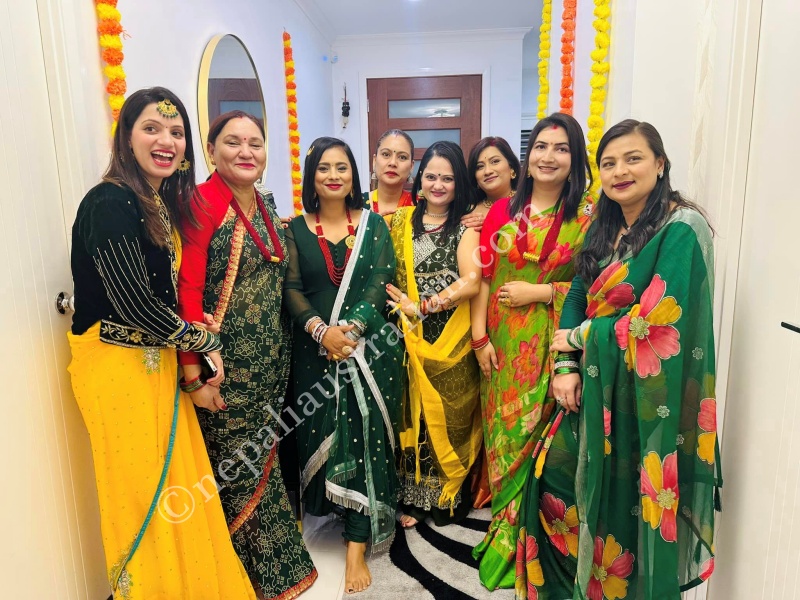
I am fortunate enough to celebrate this beautiful tradition with my friends here in Australia. Being able to partake in the customs and rituals of Shrawan, even far from home, is a blessing that fills me with joy and a deep sense of connection to my culture. The laughter, the shared stories, and the collective prayers made the experience truly special. It was so much fun to immerse myself in this vibrant tradition, and it’s heartwarming to see our cultural practices thriving across the world. Celebrating Shrawan here reminds me that no matter where we are, our traditions keep us connected to our roots and to each other.
Wishing you all a blessed and joyous Shrawan!
Take care, everyone!
XOXO
M from NepaliAustralian























 nepaliaustralian