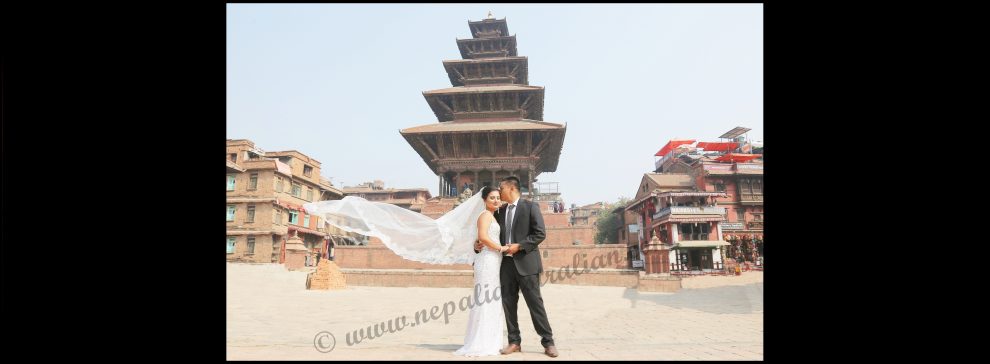
In Nepal, Mother’s Day — known as “Aama ko Mukh Herne Din” (आमाको मुख हेर्ने दिन) — is a beautiful occasion dedicated to honouring mothers and mother figures. It is celebrated by showing love and appreciation, often through gifts, special meals, and simply spending time together. In Nepalese tradition, this day is as important as birthdays or major festivals, with families coming together to express their gratitude for everything mothers do.
Even though I now live in Australia, I make it a priority to celebrate Nepali Mother’s Day with my children. It’s important to me that they grow up connected to their heritage, understanding the traditions and values I was raised with. Sharing these customs helps them not only learn about their roots but also appreciate the universal value of love, respect, and gratitude towards parents.
We celebrated yesterday with the traditional tika and sagun ritual, a meaningful part of Nepali culture that honours mothers with blessings and auspicious offerings. It was so lovely to see both my kids excited and eager to follow the tradition themselves. They carefully performed the puja, applying tika and offering sagun with genuine enthusiasm, which made the day even more special for me. Passing on these rituals not only connects them to our roots but also helps them understand the significance of respect, love, and family bonding in our culture — even while living here in Australia. It’s these moments that remind me how important it is to keep our heritage alive across generations, no matter where we are.
Happy Aama ko Mukh Herne Din to all the wonderful mums out there — near or far!
M from Nepaliaustralian
XOXO
Please follow me on Instagram! and Please follow me on TikTok















 nepaliaustralian
I’m intrigued by the script which looks to me like Bengali – thus I could read it perfectly well! Is the Nepalese script the same or similar to Bengali? I didn’t think it was…
You’re spot on – the script you’re seeing does look a lot like Bengali, but Nepalese (or Nepali) actually uses a different one. Nepali is written in the Devanagari script, which is the same script used for Hindi, Marathi, and a few other languages. I believe Bengali, on the other hand, uses its own distinct script – the Bengali script.
Ah yes – both derived from an earlier Brahmi script which explains why they are all so very similar!