Category Archives: Nepali Culture

Sri Krishna Janmashtami

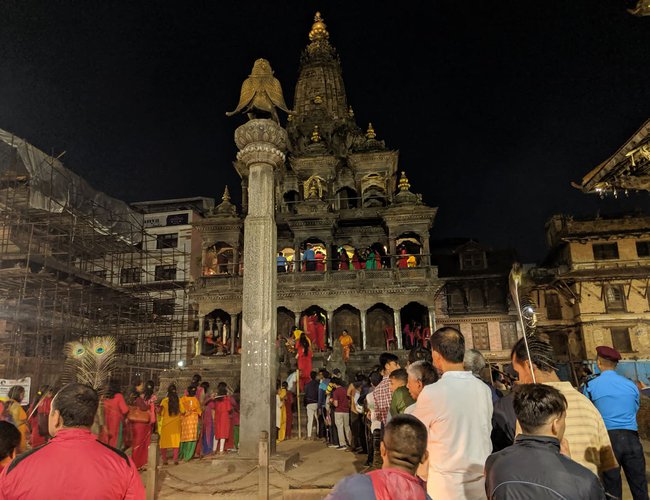
Today is Sri Krishna Janmashtami, a revered festival celebrating the divine birth of Lord Krishna. This festival is observed on the Ashtami Tithi—the eighth day of the dark fortnight (Krishna Paksha) in the month of Bhadra according to the Nepali Bikram Sambat calendar. In the Gregorian calendar, it typically falls in August or September.

Sri Krishna Janmashtami is more than just a festival; it is a profound expression of devotion, spirituality, and the eternal battle between good and evil. On this day, Hindus around the world unite in celebration, fasting until midnight—the sacred hour believed to mark the moment of Krishna’s birth. The day is filled with the chanting of verses from the Bhagavad Gita, the singing of bhajans, and the joyous celebration of kirtans. Temples dedicated to Lord Krishna are adorned with vibrant decorations, and the air is filled with the sounds of devotion and the scent of incense.

In Nepal, the Krishna Mandir in Patan Durbar Square, along with the Narayanhiti Krishna Mandir and other significant temples, become the epicenters of Janmashtami celebrations. Devotees flock to these sacred sites, transforming the night into a vibrant tapestry of faith and devotion. As they gather in large numbers, their hearts are united by the love and reverence they hold for Lord Krishna. The sight of women chanting Krishna’s many names, ‘Narayan, Narayan’ and ‘Gopal, Gopal,’ and the rhythmic clapping of hands in tune with ancient hymns creates an atmosphere of divine energy. The narrow steps leading to the temple’s inner sanctum are filled with worshippers, each offering flowers, coins, and food, yearning for a glimpse of the sacred idol of Krishna. After receiving ‘prasad’—the blessed food offerings—from the temple priests, they return home, their spirits uplifted and hearts content.

The festival also features the installation of beautiful cribs holding small idols of ‘Balgopal’ (baby Krishna), symbolising the joyous moment of his birth. These cribs, often referred to as “jhulas,” are tenderly decorated in Krishna temples, evoking the playful and endearing nature of the child-god. Additionally, the night comes alive with performances of Krishna Lila, dramatic reenactments of Lord Krishna’s life, showcasing his divine play (Lila) and his role as the protector of dharma (righteousness).

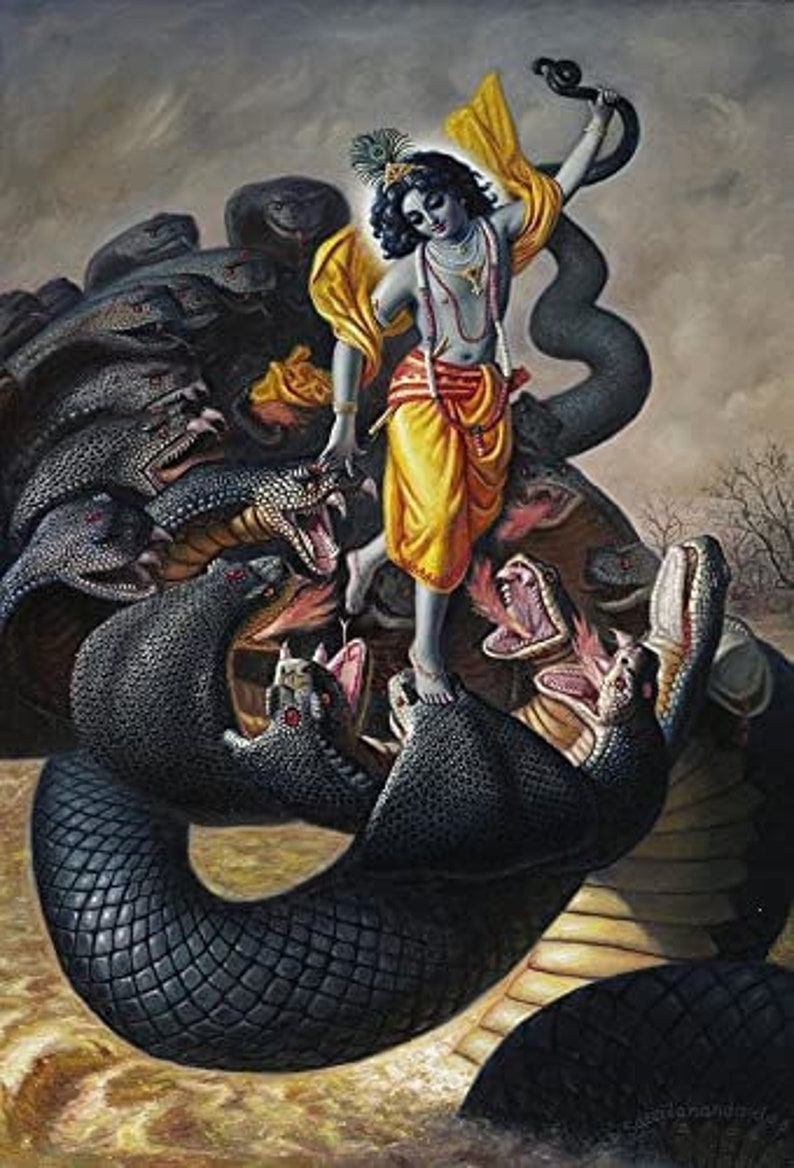
But beyond the rituals and festivities, Krishna Janmashtami carries a profound message that resonates through the ages. In the Bhagavad Gita, Krishna famously declares, “Whenever there is a decline in righteousness and an increase in unrighteousness, I manifest myself on earth.” This statement is not merely a declaration of divine intervention but a promise that goodness will always find a way to triumph over evil. Krishna Janmashtami serves as a powerful reminder that in times of darkness, when the world seems engulfed by sin and corruption, divine intervention will restore balance and order. The festival symbolises hope, the promise of renewal, and the assurance that no matter how overwhelming the forces of darkness may seem, the light of truth and righteousness will always prevail.

During Krishna Janmashtami, one of the most delightful sights is seeing little kids dressed up as Lord Krishna. Adorned in vibrant dhotis, peacock feathers, and tiny flutes, they embody the playful and charming spirit of Krishna, bringing joy to everyone around. The innocence of these young ones, coupled with their radiant smiles, adds a special sweetness to the celebration, making the occasion even more heartwarming. It’s a beautiful tradition that not only honours the birth of Lord Krishna but also creates cherished memories for families and communities. Just look at chhora as Krishna ji—it’s simply too adorable!

Sri Krishna Janmashtami, therefore, is not just a celebration of Krishna’s birth but a reaffirmation of our faith in the ultimate victory of good over evil, a timeless truth that continues to inspire and guide us through life’s challenges.

M from Nepaliaustralian

XOXO

Please follow me on Instagram! and Please follow me on TikTok

Janai Purnima (The Sacred Thread Festival of Nepal), Kwati Purnima and Raksha Bandhan

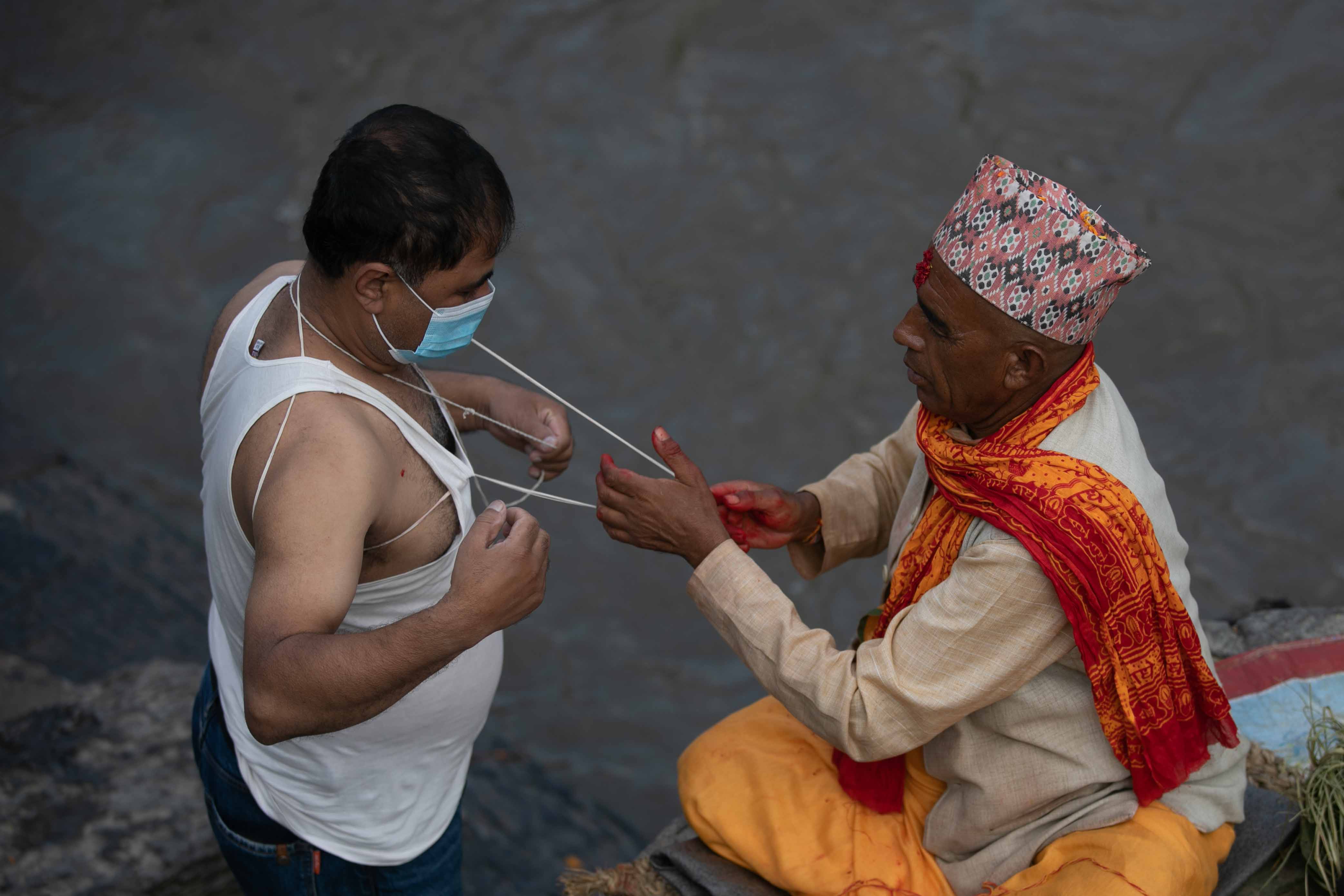
Today, we celebrate Janai Purnima, a festival deeply intertwined with Nepali culture and Hindu tradition. This day is particularly meaningful as it marks the time to renew their “janai,” the sacred thread they wear daily.

The janai is first bestowed upon a boy during his Bratabandha ceremony, a rite of passage signifying his initiation into manhood. On Janai Purnima, men come together to perform the sacred ritual of changing the thread while reciting powerful mantras. This thread, representing purity and protection, is worn as a bracelet until the next year’s festival, when the cycle of renewal begins again.

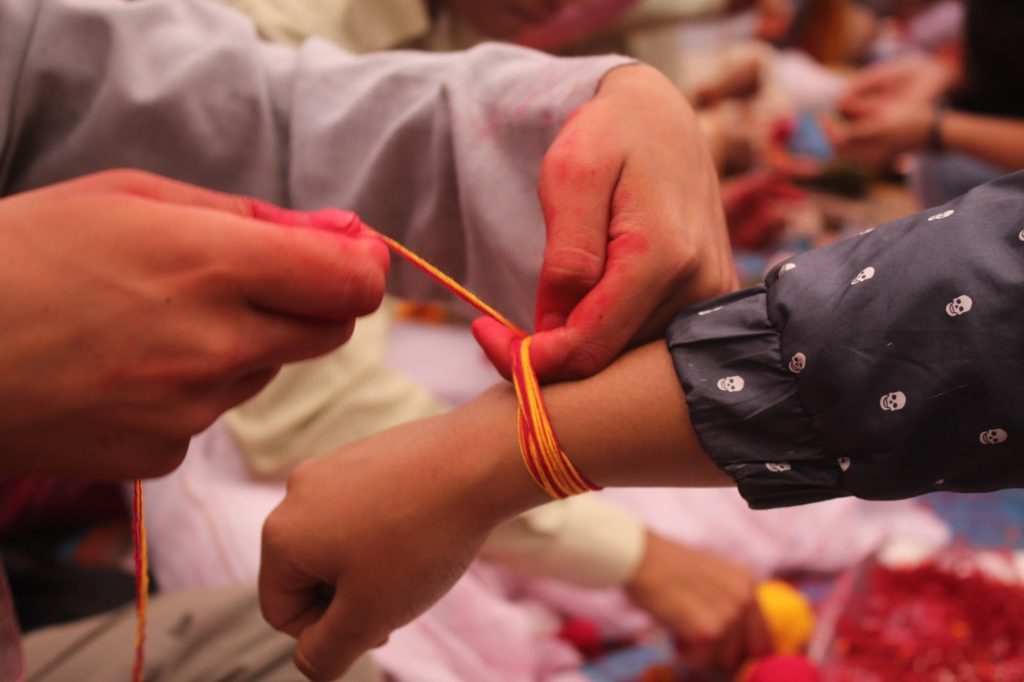
However, Janai Purnima is not solely about the janai. It’s also a day when men, women, and children, regardless of caste, participate in the ritual of tying a sacred yellow thread around their wrists. Men tie this thread on their right wrist, while women tie it on their left. This thread symbolises protection and is believed to bring good luck. Traditionally, it is removed on Laxmi Puja, three months later, and tied to the tail of a cow. In the absence of a cow, the thread can be thrown into a fast-moving river or tied to a plant—like the one I have in my office from last year’s celebration!

The sacred thread carries profound spiritual significance. According to tradition, when the wearer passes away, the cow to whom the thread was tied will help them cross the mythical river Bhaitarna, easing their journey into the afterlife.

Throughout Nepal, Janai Purnima is celebrated with a variety of rituals. Devotees flock to temples, shrines, and riverbanks to perform puja and offer prayers. The day is also marked by communal feasts and gatherings, where families and communities come together in joyful celebration.

Janai Purnima is more than just a religious observance; it is a rich tapestry of cultural practices, spiritual devotion, and the strengthening of family bonds. As Nepal’s streets come alive with the vibrant colors of sacred threads and the sounds of prayers, this festival serves as a powerful reminder of the values that unite us, no matter where in the world we may be.

Today is also celebrated as Kwati Purni in Newar community, a festival named after the cherished dish ‘Kwati.’ This nutritious and hearty soup is made from a combination of nine different soaked and sprouted beans, each bringing its own unique flavor and health benefits. The beans typically used include mung beans (mung), soya beans (bhatmas), red kidney beans (rajma), black grams (mas), black-eyed peas (bodi), fava beans (bakulla), chickpeas/whole grams (chana), field peas (kerau), and white beans (seto simi).

Traditionally, Kwati was a staple for farmers, consumed to rejuvenate their tired bodies during the labor-intensive rice plantation season. Its rich nutritional profile provided the much-needed strength and energy for the hard work in the fields. Beyond its role as a farmers’ food, Kwati is also valued for its digestive benefits and its ability to address various health issues, making it a dish that nourishes both body and soul.

In modern times, Kwati has become more than just a practical meal; it’s a symbol of tradition and a celebration of Nepalese culinary heritage. The preparation and sharing of Kwati bring families together, fostering a sense of community and continuity. Whether enjoyed as a comforting meal on a rainy day or as a festive dish during Kwati Purnima, this soup holds a special place in Nepali culture.

For those interested in making Kwati at home, I’ve shared the recipe here, where you can learn how to prepare this delicious and nourishing soup yourself.

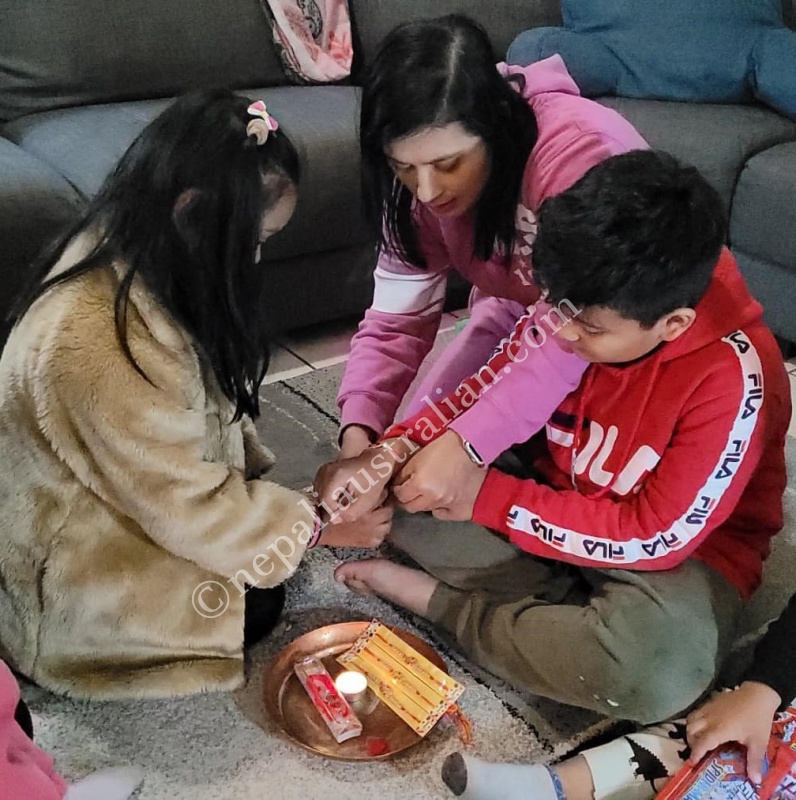
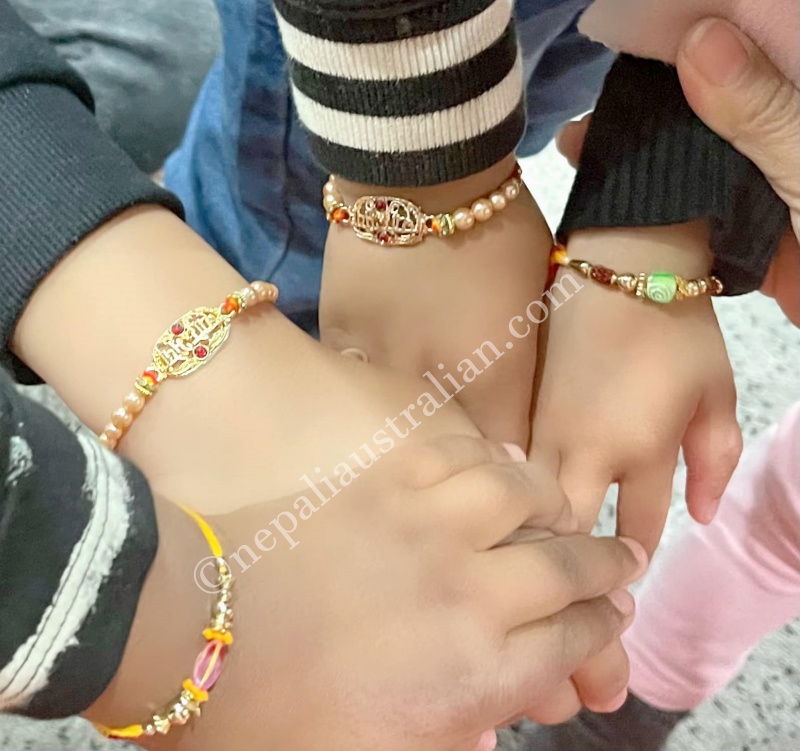
Janai Purnima also coincides with Raksha Bandhan, a cherished tradition where sisters tie rakhis—beautifully decorative bracelets—around their brothers’ wrists. This act symbolises love, protection, and care. In return, brothers give sweets or gifts, reinforcing the bonds of kinship and friendship.

This day is marked by a renewal of spiritual vows and a recommitment to the values symbolised by the janai, which consists of three strands representing purity, spiritual protection, and moral integrity.

The exchange of rakhis is a joyful celebration of sibling love, adding a warm and familial aspect to the festival. The mutual exchange of gifts and promises between brothers and sisters strengthens these bonds and creates lasting memories.

Although I didn’t grow up celebrating Raksha Bandhan, it has become a cherished tradition since I had children. Each year, we have a small ceremony with my brother’s children, and the kids are always so excited to participate. They love the unique traditions and, of course, the exchange of gifts! These moments are precious to me because, even though we are far from Nepal, my children are growing up learning about and staying connected to their Nepali heritage.

M from Nepaliaustralian

XOXO

Please follow me on Instagram! and Please follow me on TikTok
Nag Panchami: Celebrating the Snake Festival in Nepal

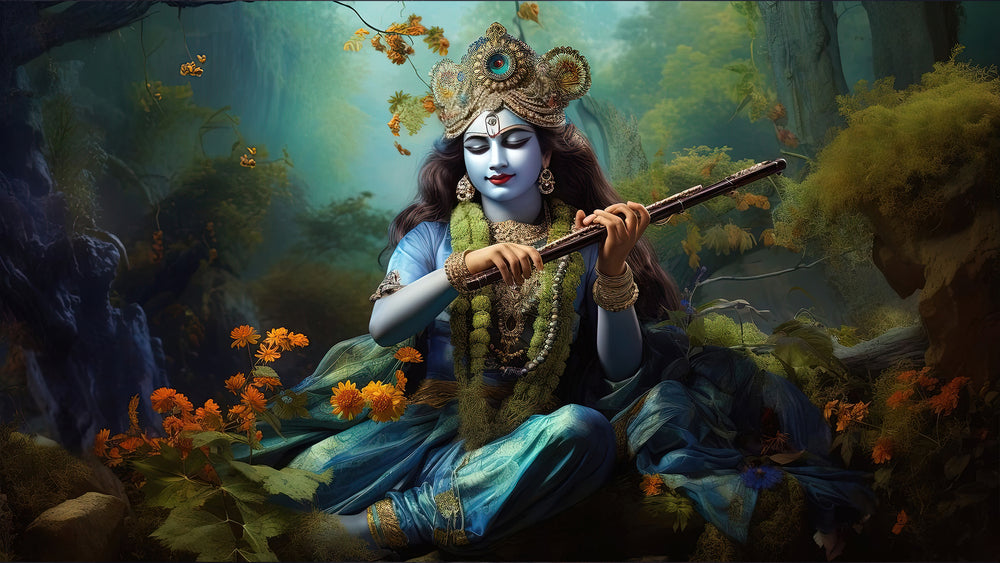
Did you know that we have a festival dedicated to snakes? It’s called Nag Panchami, and we had the pleasure of celebrating it yesterday with much joy and devotion.

Nag Panchami is a unique and sacred festival in Nepal where we honour snakes, revered as protectors and symbols of fertility in Hindu culture. Celebrated during the auspicious month of Shrawan, this festival is observed with great reverence by many Nepali families, each adding their own traditions and practices to the day.

In Hindu mythology, during the churning of the ocean (Samudra Manthan), a potent poison emerged, threatening the balance of the world. To protect humanity, Lord Shiva courageously swallowed the poison, neutralising its destructive power. The snake Basuki played a vital role in this cosmic event as the churning rope, and in recognition of Basuki’s contribution, Lord Shiva adorned himself with the serpent as a divine ornament around his neck.

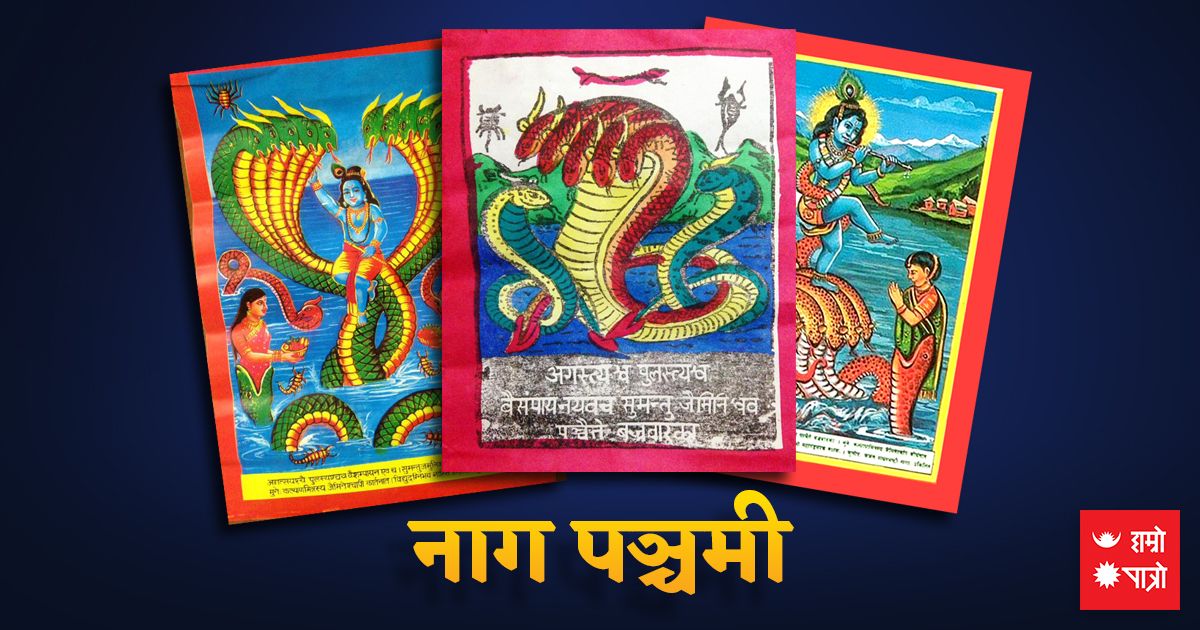
On Nag Panchami, we pay homage to eight sacred Nagas: Ananta, Basuki, Takshak, Karkotak, Padma, Mahapadma, Shankhpal, and Kuli. These revered serpents are believed to offer protection and blessings. By honoring them, we express our respect and seek their guardianship.

People celebrate Nag Panchami by offering milk, rice, flowers, and even eggs to snake idols or images, as well as to snake holes believed to be their homes. Some visit temples where real snakes are kept, seeking blessings for protection, good fortune, and prosperity. It is widely believed that worshiping snakes on this day can safeguard families from snake bites and ward off negative energies.

In homes across Nepal, families draw pictures of snakes on walls or doors using cow dung, turmeric, or red clay, which are then worshipped with offerings. This simple act of devotion symbolises respect and a plea for protection from these powerful and often misunderstood creatures. These customs highlight the deep connection between humans and nature, reminding us of the importance of living in harmony with all living beings.

Nag Panchami is more than just a ritual—it’s a time for families to come together, pass down stories and traditions from one generation to the next, and celebrate the richness of Nepal’s cultural heritage. In some regions, the festival is marked by folk dances, songs, and special meals, creating a sense of community and reinforcing bonds within families and neighborhoods.

Nag Panchami is a celebration of life, nature, and the divine. While the rituals may seem simple, they carry profound meaning, serving as an important part of our cultural heritage. Whether through offerings, prayers, or simply spending time with loved ones, this festival is a beautiful reminder of the spiritual connection we share with all living beings.

Wishing everyone a Happy Nag Panchami! May this festival bring blessings, harmony, and prosperity to all.

Take care, everyone!

XOXO

M from NepaliAustralian

Happy Sharwan Sankranti

Shrawan, the fourth month in the Nepali Hindu calendar, is steeped in religious and cultural significance. This month is considered the holiest for Hindus, with rituals and traditions that embody devotion, purification, and the deep connection between the divine and human realms.

The word “Sankranti” in the context of Shrawan Sankranti refers to the Sun’s transition from one Rashi (zodiac sign in Nepali astrology) to another, signaling the beginning of a new Nepali month. Specifically, Shrawan Sankranti marks the Sun’s southward journey, an event that is both astronomically and spiritually important.

From the very first day of Shrawan (which fell on July 17 this year), social media and public spaces alike are vibrant with images of women adorned in mehendi (henna) and green and yellow chura (bangles). These colors are not just for beauty; they symbolise fertility, prosperity, and the health of their families. The entire month is dedicated to these rituals, with Mondays, or Shrawan Somvars, being particularly significant. Each Shrawan Somvar, devotees flock to Shiva temples, fasting and offering prayers to Lord Shiva, the god of destruction and transformation.

Shrawan’s importance is deeply rooted in Hindu mythology. It is said that Sati Devi, in her previous birth, vowed to have Mahadev (Lord Shiva) as her husband in every lifetime. After her death, she was reborn as Parvati, who fasted and prayed throughout the month of Shrawan, eventually winning Shiva’s heart and becoming his consort. This story is why Shrawan is so sacred and why women, especially, dedicate this month to worshiping Lord Shiva, seeking his blessings for marital bliss and familial prosperity.

Throughout Shrawan, married women wear red attire complemented by green and yellow glass bangles, along with green pote (glass beads) around their necks. These adornments are more than just accessories; they are symbols of devotion and prayers for the long life and well-being of their husbands. For unmarried girls, wearing these bangles during Shrawan is a hopeful gesture, symbolising their wish for a good husband and a happy marriage.

The spiritual fervour of Shrawan is also evident in the Bol Bam pilgrimage. Devotees undertake this challenging journey, walking or running barefoot, often covering great distances to reach the Pashupatinath Temple and other Shiva temples. Along the way, they chant ‘Bol Bam,’ which means “Say Shiva,” as a form of devotion and penance. The pilgrimage is believed to bring blessings, good health, wealth, and happiness to the devotees and their families.

In addition to these rituals, Shrawan is also a time for various religious festivals and fasts. One of the most celebrated festivals during this month is Nag Panchami, where snakes are worshiped as protectors and symbols of fertility. Devotees offer milk, rice, and flowers to snake idols or real snakes, seeking their protection and blessings.

The month is also associated with the practice of fasting, especially by women. Mondays are often observed with strict fasting, where women consume only water or fruits and spend the day in prayer, reciting mantras dedicated to Lord Shiva. These fasts are believed to purify the body and soul, bringing spiritual merit and the fulfillment of desires.

Shrawan is a time when the monsoon season is at its peak in Nepal. The heavy rains are seen as blessings from the gods, nourishing the earth and bringing fertility to the land. This natural abundance is mirrored in the cultural practices of the month, where green, representing life and growth, becomes a dominant color in clothing and decorations.

The vibrancy of Shrawan is not just limited to religious practices but extends to social and familial gatherings. Communities come together to celebrate, share meals, and participate in collective prayers. The month fosters a sense of unity and continuity, as age-old traditions are passed down and kept alive by the younger generations.

Shrawan is a beautiful blend of devotion, tradition, and nature, encapsulating the spiritual essence of Hindu culture. The month is not just about rituals but about reconnecting with one’s roots, honoring the divine, and celebrating the eternal cycle of life.

I am fortunate enough to celebrate this beautiful tradition with my friends here in Australia. Being able to partake in the customs and rituals of Shrawan, even far from home, is a blessing that fills me with joy and a deep sense of connection to my culture. The laughter, the shared stories, and the collective prayers made the experience truly special. It was so much fun to immerse myself in this vibrant tradition, and it’s heartwarming to see our cultural practices thriving across the world. Celebrating Shrawan here reminds me that no matter where we are, our traditions keep us connected to our roots and to each other.

Wishing you all a blessed and joyous Shrawan!

Take care, everyone!

XOXO

M from NepaliAustralian

Chora’s Tithi birthday

I have a delightful and unique tradition when it comes to celebrating my kids’ birthdays: I celebrate them three times! Yes, you read that right—three times. And honestly, I feel like I have no other choice!

First up is their actual birth date. They get so excited about it that I can’t bear to skip a celebration. Their eyes light up with joy, and it’s such a heartwarming sight. So, we always do something special, even if it’s just a small family gathering.

Next, we throw a big birthday bash on the weekend. This is when friends and family join in on the fun. There are games, laughter, and of course, lots of cake. The house is filled with happy chaos, and it’s wonderful to see my kids revelling in all the attention and fun.

Lastly, we celebrate their Tithi birthday. Since we follow the Nepali calendar, our birthdays don’t always match up with the Gregorian calendar. The Tithi birthday is determined by the positions of the sun, moon, and planets. For this celebration, we embrace our cultural roots and have a traditional Nepali celebration with puja and sagun.

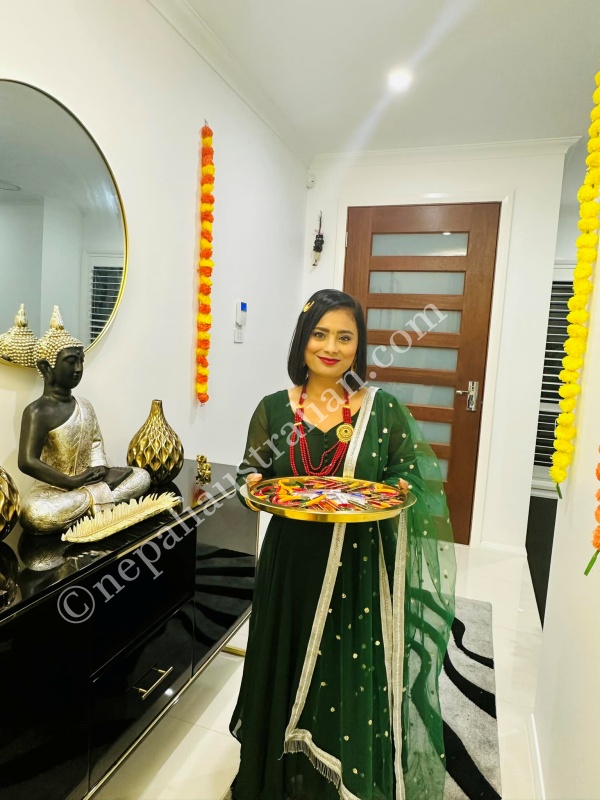
This year, for Chhora’s Tithi birthday, I wore a kurta and we performed a traditional puja. Chhora, who has been eagerly anticipating turning five, was thrilled to be a part of this beautiful tradition. We decorated the house, set up the puja area, and once everything was ready, Chhora sat down, eyes wide with curiosity and excitement.

I started with a puja for Lord Ganesh, followed by a special puja for Chhora. I explained each step to him as we went along. He listened intently, followed all the instructions, and didn’t complain or fidget even once! I was so proud of his patience and interest.

After the puja, Chhora received sagun and gifts, his face lighting up with happiness. He could hardly wait to dig into the cupcakes we had prepared. His joy was infectious, and it made all the effort worthwhile.

I truly hope that by celebrating in this way, we’re instilling a deep appreciation of our culture and traditions in our children. I want them to understand their roots and recognize how amazing and rich the Nepali culture is. Seeing Chhora so engaged and excited gives me hope that we’re on the right track!

M from Nepaliaustralian

XOXO

Please follow me on Instagram! and Please follow me on TikTok