Our Trip to Snowy Mountain: Perisher Valley

After a restful night in Cooma, we woke up early, determined to make the most of our day at Perisher Valley. The anticipation was palpable as we hired car chains and toboggans once again before setting off. The drive from Cooma to Perisher took just over an hour, with the landscape gradually transforming into a winter wonderland as we ascended into the mountains.

Arriving at the entrance to Perisher Valley, we were relieved and thrilled to find that we could get in. After paying the $29 National Park fee, we eagerly made our way to the car park. It was around 9:15 am, and despite being early, the car park was already about 70% full—a testament to how popular this spot is during the snow season.

As we stepped out of the car, the beauty of Perisher Valley took our breath away. The fresh snowfall from the previous night had blanketed everything in a pristine layer of white, making the whole valley look like a scene from a postcard. The kids were especially excited; it was like stepping into a winter fairy tale.

We quickly got ready, bundled up in our warmest clothes, and headed to the toboggan hills. Initially, Chhora tobogganed with me and my husband, but soon his confidence grew, and he wanted to go down on his own. Watching his joy and excitement as he sped down the hill was priceless. We must have gone up and down that hill a hundred times, each run more exhilarating than the last.

In between tobogganing, we found time to build a snowman. It was a family effort, and the kids were particularly proud of the end result, complete with a carrot nose and a scarf. Snowball fights erupted spontaneously, filling the air with laughter and playful shouts. We even managed to lie down and make snow angels, adding to the magic of the day.

We took countless photos and videos, wanting to capture every moment of our snowy adventure. The backdrop of snow-covered trees and mountains made every picture look spectacular. By the end of the day, we were all exhausted but immensely satisfied. Our cheeks were rosy from the cold, and our hearts were full from all the fun and family bonding.

As the afternoon wore on and the wind started to pick up, making the air even colder, we decided it was time to head back. Packing up our gear, we made our way back to our car, tired but happy. The drive back to Cooma was quiet, with everyone reflecting on the day’s adventures.

Being able to spend the day at Perisher and toboggan as we had planned made the trip truly worthwhile. It was a day filled with joy, laughter, and unforgettable memories. We can’t wait to plan our next snow trip—Perisher Valley, we’ll be back!

M from Nepaliaustralian

XOXO

Please follow me on Instagram! and Please follow me on TikTok

Cooma Cottage, Cooma : Review

During our recent snow trip, we had the pleasure of staying at Cooma Cottage in Cooma, and it was a wonderful experience. This charming retreat features three beautifully furnished bedrooms, comfortably accommodating up to nine guests. Each room is equipped with cosy beds and plenty of warm doonas, ensuring a restful night’s sleep after a day in the snow.

The cottage itself exudes a welcoming ambiance that made us feel right at home. The fully equipped kitchen was stocked with a wide variety of cooking items, plates, and cutlery, making it easy to prepare dinners and breakfasts.

The seamless communication further enhanced our stay, making Cooma Cottage the perfect base for our winter adventures. Whether we were unwinding on the sofa or planning our next day’s activities, the cottage provided the ideal blend of comfort and convenience.

I highly recommend this place for your stay in the Snowy Mountains if you’re heading there for your winter holidays.

We found the place through booking.com.

Address : 31 Baron Street, 2630 Cooma, Australia

M from Nepaliaustralian

XOXO

Please follow me on Instagram! and Please follow me on TikTok

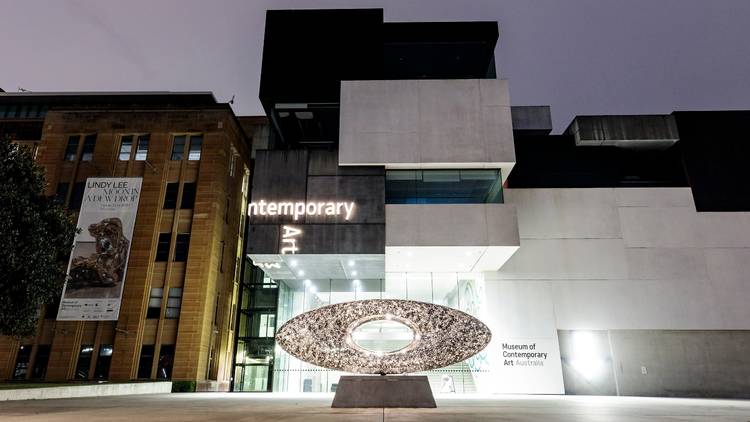
Museum of Contemporary Art

You know how you can walk past a building countless times but never actually go inside? That was me with the Museum of Contemporary Art in The Rocks.

When my uncle visited from Nepal, we decided to finally check it out. The museum is a treasure trove of modern creativity, featuring a diverse range of contemporary artworks from both Australian and international artists.

We explored various exhibitions that showcased everything from paintings and sculptures to digital art and installations. Each piece offered a unique perspective on contemporary issues and artistic expression.

The museum has different entry options: paid areas on levels 1 and 3, and free entry on level 2. This mix allows visitors to enjoy both complimentary and premium exhibits.

Located in The Rocks, the museum offers stunning views of Sydney Harbour. We took a moment to enjoy the scenic backdrop, which enhanced the overall experience.

We also discovered that the museum offers a range of educational programs and workshops for all ages, making it a great place for families and art enthusiasts to learn more about contemporary art.

Visiting the Museum of Contemporary Art was a wonderful experience, and I’m glad we finally took the time to explore it. It was the perfect way to spend the day with my uncle, discovering new and inspiring artworks together.

If you are in the city, don’t forget to check out the Museum of Contemporary Art. It is definitely worth the time!

M from Nepaliaustralian

XOXO

Please follow me on Instagram! and Please follow me on TikTok
Nag Panchami: Celebrating the Snake Festival in Nepal

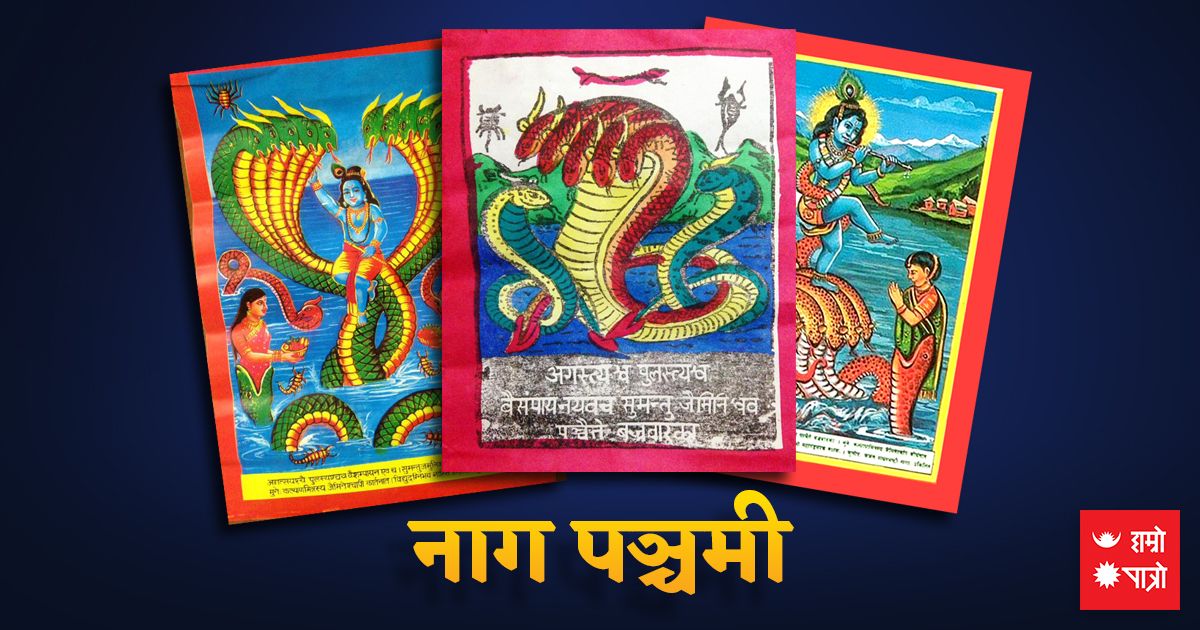
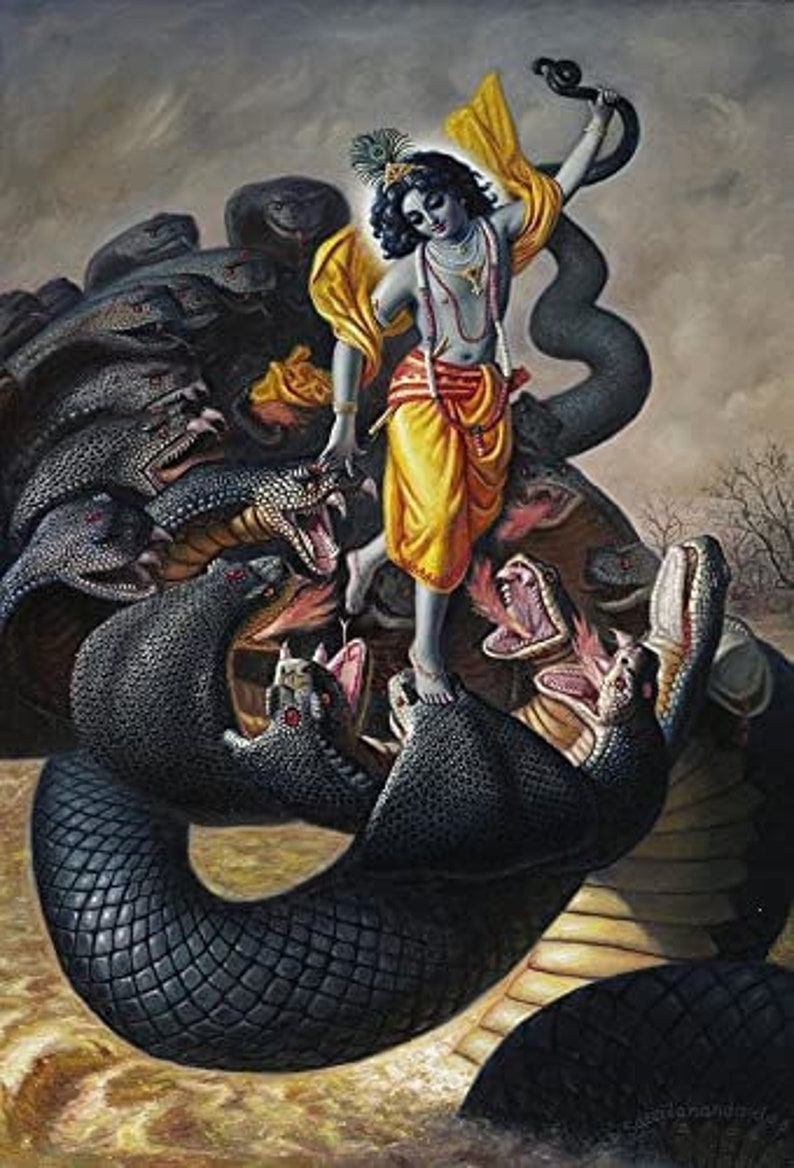
Did you know that we have a festival dedicated to snakes? It’s called Nag Panchami, and we had the pleasure of celebrating it yesterday with much joy and devotion.

Nag Panchami is a unique and sacred festival in Nepal where we honour snakes, revered as protectors and symbols of fertility in Hindu culture. Celebrated during the auspicious month of Shrawan, this festival is observed with great reverence by many Nepali families, each adding their own traditions and practices to the day.

In Hindu mythology, during the churning of the ocean (Samudra Manthan), a potent poison emerged, threatening the balance of the world. To protect humanity, Lord Shiva courageously swallowed the poison, neutralising its destructive power. The snake Basuki played a vital role in this cosmic event as the churning rope, and in recognition of Basuki’s contribution, Lord Shiva adorned himself with the serpent as a divine ornament around his neck.

On Nag Panchami, we pay homage to eight sacred Nagas: Ananta, Basuki, Takshak, Karkotak, Padma, Mahapadma, Shankhpal, and Kuli. These revered serpents are believed to offer protection and blessings. By honoring them, we express our respect and seek their guardianship.

People celebrate Nag Panchami by offering milk, rice, flowers, and even eggs to snake idols or images, as well as to snake holes believed to be their homes. Some visit temples where real snakes are kept, seeking blessings for protection, good fortune, and prosperity. It is widely believed that worshiping snakes on this day can safeguard families from snake bites and ward off negative energies.

In homes across Nepal, families draw pictures of snakes on walls or doors using cow dung, turmeric, or red clay, which are then worshipped with offerings. This simple act of devotion symbolises respect and a plea for protection from these powerful and often misunderstood creatures. These customs highlight the deep connection between humans and nature, reminding us of the importance of living in harmony with all living beings.

Nag Panchami is more than just a ritual—it’s a time for families to come together, pass down stories and traditions from one generation to the next, and celebrate the richness of Nepal’s cultural heritage. In some regions, the festival is marked by folk dances, songs, and special meals, creating a sense of community and reinforcing bonds within families and neighborhoods.

Nag Panchami is a celebration of life, nature, and the divine. While the rituals may seem simple, they carry profound meaning, serving as an important part of our cultural heritage. Whether through offerings, prayers, or simply spending time with loved ones, this festival is a beautiful reminder of the spiritual connection we share with all living beings.

Wishing everyone a Happy Nag Panchami! May this festival bring blessings, harmony, and prosperity to all.

Take care, everyone!

XOXO

M from NepaliAustralian

Happy Sharwan Sankranti

Shrawan, the fourth month in the Nepali Hindu calendar, is steeped in religious and cultural significance. This month is considered the holiest for Hindus, with rituals and traditions that embody devotion, purification, and the deep connection between the divine and human realms.

The word “Sankranti” in the context of Shrawan Sankranti refers to the Sun’s transition from one Rashi (zodiac sign in Nepali astrology) to another, signaling the beginning of a new Nepali month. Specifically, Shrawan Sankranti marks the Sun’s southward journey, an event that is both astronomically and spiritually important.

From the very first day of Shrawan (which fell on July 17 this year), social media and public spaces alike are vibrant with images of women adorned in mehendi (henna) and green and yellow chura (bangles). These colors are not just for beauty; they symbolise fertility, prosperity, and the health of their families. The entire month is dedicated to these rituals, with Mondays, or Shrawan Somvars, being particularly significant. Each Shrawan Somvar, devotees flock to Shiva temples, fasting and offering prayers to Lord Shiva, the god of destruction and transformation.

Shrawan’s importance is deeply rooted in Hindu mythology. It is said that Sati Devi, in her previous birth, vowed to have Mahadev (Lord Shiva) as her husband in every lifetime. After her death, she was reborn as Parvati, who fasted and prayed throughout the month of Shrawan, eventually winning Shiva’s heart and becoming his consort. This story is why Shrawan is so sacred and why women, especially, dedicate this month to worshiping Lord Shiva, seeking his blessings for marital bliss and familial prosperity.

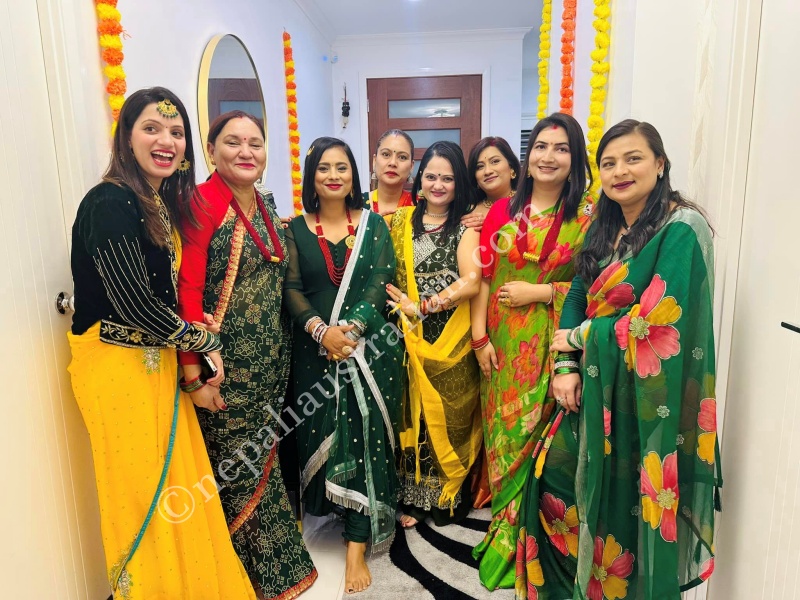
Throughout Shrawan, married women wear red attire complemented by green and yellow glass bangles, along with green pote (glass beads) around their necks. These adornments are more than just accessories; they are symbols of devotion and prayers for the long life and well-being of their husbands. For unmarried girls, wearing these bangles during Shrawan is a hopeful gesture, symbolising their wish for a good husband and a happy marriage.

The spiritual fervour of Shrawan is also evident in the Bol Bam pilgrimage. Devotees undertake this challenging journey, walking or running barefoot, often covering great distances to reach the Pashupatinath Temple and other Shiva temples. Along the way, they chant ‘Bol Bam,’ which means “Say Shiva,” as a form of devotion and penance. The pilgrimage is believed to bring blessings, good health, wealth, and happiness to the devotees and their families.

In addition to these rituals, Shrawan is also a time for various religious festivals and fasts. One of the most celebrated festivals during this month is Nag Panchami, where snakes are worshiped as protectors and symbols of fertility. Devotees offer milk, rice, and flowers to snake idols or real snakes, seeking their protection and blessings.

The month is also associated with the practice of fasting, especially by women. Mondays are often observed with strict fasting, where women consume only water or fruits and spend the day in prayer, reciting mantras dedicated to Lord Shiva. These fasts are believed to purify the body and soul, bringing spiritual merit and the fulfillment of desires.

Shrawan is a time when the monsoon season is at its peak in Nepal. The heavy rains are seen as blessings from the gods, nourishing the earth and bringing fertility to the land. This natural abundance is mirrored in the cultural practices of the month, where green, representing life and growth, becomes a dominant color in clothing and decorations.

The vibrancy of Shrawan is not just limited to religious practices but extends to social and familial gatherings. Communities come together to celebrate, share meals, and participate in collective prayers. The month fosters a sense of unity and continuity, as age-old traditions are passed down and kept alive by the younger generations.

Shrawan is a beautiful blend of devotion, tradition, and nature, encapsulating the spiritual essence of Hindu culture. The month is not just about rituals but about reconnecting with one’s roots, honoring the divine, and celebrating the eternal cycle of life.

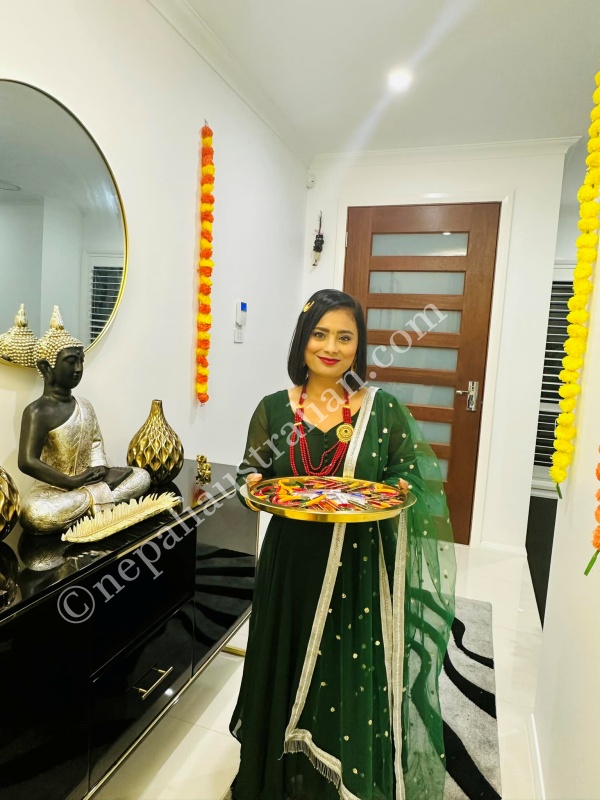
I am fortunate enough to celebrate this beautiful tradition with my friends here in Australia. Being able to partake in the customs and rituals of Shrawan, even far from home, is a blessing that fills me with joy and a deep sense of connection to my culture. The laughter, the shared stories, and the collective prayers made the experience truly special. It was so much fun to immerse myself in this vibrant tradition, and it’s heartwarming to see our cultural practices thriving across the world. Celebrating Shrawan here reminds me that no matter where we are, our traditions keep us connected to our roots and to each other.

Wishing you all a blessed and joyous Shrawan!

Take care, everyone!

XOXO

M from NepaliAustralian