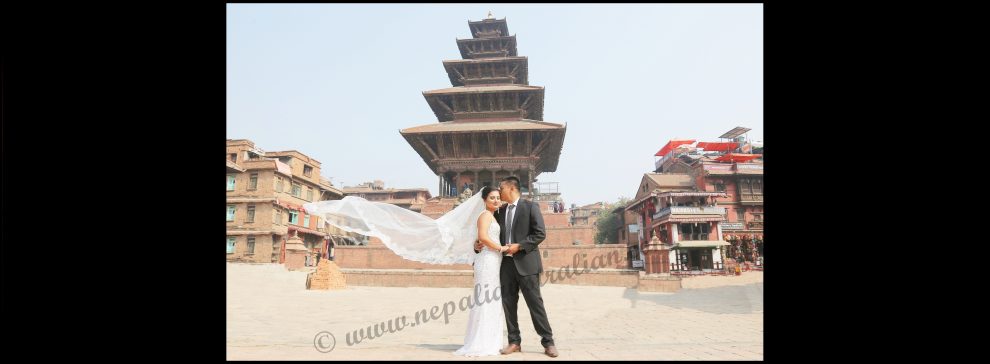
Our Trip to Snowy Mountain: Thredbo

While many of you are enjoying warm weather, it’s winter in Australia, and Sydney doesn’t get snow. To experience it, we had to drive 6 hours.

Our adventure began with a 3-hour drive from Sydney to Canberra, where we stayed with friends. From there, it was another 3.5-hour journey to the Snowy Mountains. Along the way, we stopped in Cooma to hire car chains and toboggans.
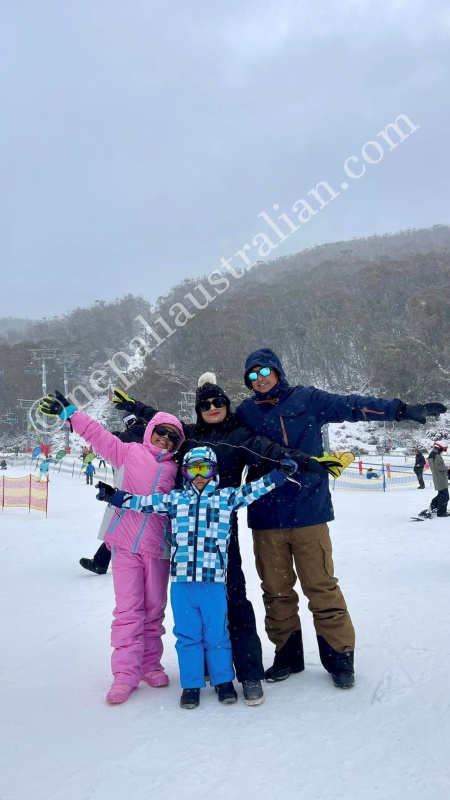
Initially, we planned to visit Perisher Valley, but by 10 am, the car park was full, so we headed to Thredbo instead. Unfortunately, we discovered that Thredbo doesn’t allow tobogganing, which was a bit disappointing.
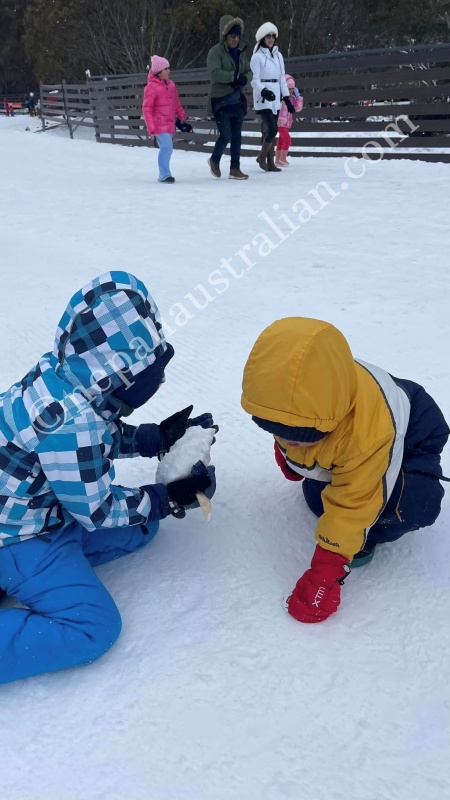
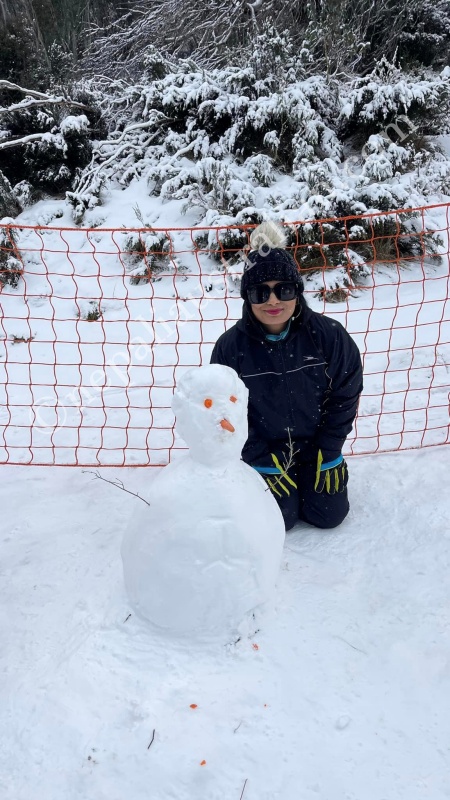
Despite this, we were thrilled to experience the falling snow, especially since it was my kids’ first time seeing it. We made snowmen and had a blast with snowball fights. Although the kids were a little let down by not being able to toboggan, they had a fantastic time sliding on the snow and enjoying themselves.

Around 4 pm, as the wind started to pick up and it became extremely cold, we decided to return to our accommodation. We had booked a place in Cooma for the night. Stay tuned for more details about our stay in the next post!

M from Nepaliaustralian

XOXO

Please follow me on Instagram! and Please follow me on TikTok

Yomari

My nephew turned 12 last week, and I can’t believe how quickly time has flown by. I’ve previously shared about his Chhaithi, Nwaran, and Pasni ceremonies here.

For his 12th Thiti birthday, I helped my sister-in-law make Yomari. Yomari is a traditional sweet treat from the Newar community. It has a soft outer layer made from rice flour and is filled with a sweet, gooey mixture, usually made from molasses (called Chaku).

In Newar culture, even birthdays are celebrated with Yomari mala (garlands) until the child turns 12. Yomari is also used in puja (ritual worship). These traditions are deeply rooted in cultural practices, symbolising prosperity and blessings for the child.

I’ve shared the recipe on how to make Yomari here. The process of making Yomari is both an art and a labor of love. The rice flour dough is meticulously shaped into a fish-like form and filled with a sweet mixture, typically made of Chaku. Once shaped, the Yomaris are steamed to perfection. This traditional sweet not only serves as a delightful treat but also carries the essence of Newar heritage and cultural significance.

Sharing these moments and traditions with family makes the celebration even more special. It’s heartwarming to pass down these customs and see the joy they bring, not just through the delicious Yomari, but through the love and care involved in making them together.

M from Nepaliaustralian

XOXO

Please follow me on Instagram! and Please follow me on TikTok

Exploring Tanah Lot Temple: A Magical Bali Experience

Tanah Lot Temple holds a special place in our hearts after our recent trip to Bali. It’s one of those places you have to plan for, especially considering the tides—high tide can literally cut off access to the temple! So, we kept a close eye on the website to make sure we timed our visit perfectly.

Imagine an ancient Hindu shrine perched dramatically on a rocky outcrop, surrounded by crashing waves and bathed in the warm glow of the setting sun—that’s Tanah Lot Temple. It’s not just a temple; it’s a breathtaking spectacle, offering some of the most stunning sunset views in Bali. We were in awe of its cultural significance and natural beauty, making it an experience we’ll never forget.

Walking across the beach during low tide to reach the temple was an adventure in itself. The waves crashing against the rocks added to the mystical atmosphere, creating a sense of reverence and wonder. It’s no wonder Tanah Lot is considered one of Bali’s most iconic and picturesque temples!

The area around Tanah Lot is bustling with activity, yet it retains a serene and spiritual ambiance. We enjoyed exploring the shops filled with local crafts, savouring delicious Balinese cuisine at the nearby restaurants, and even catching some traditional cultural performances. 

For our kids, the highlight was definitely the sea area where the waves crashed against the rocks. They had a blast watching the waves and exploring the sandy shores around the temple. As for me, I loved soaking in the vibe—the blend of spirituality, natural beauty, and vibrant culture that defines Tanah Lot.

Whether you’re a photographer looking to capture the perfect sunset shot, a traveller seeking spiritual enlightenment, or a family wanting to experience Bali’s rich heritage, Tanah Lot Temple offers something for everyone. It’s a place where nature and culture converge, leaving you with memories that will last a lifetime. We can’t wait to visit again and immerse ourselves in the magic of Tanah Lot!

Read my other pots from Bali .

M from Nepaliaustralian

XOXO

Please follow me on Instagram! and Please follow me on TikTok

Piro Jeera Aloo (Hot cumin potatoes)

Hello everyone! Today, I’m excited to share with you a super simple and delicious recipe using just potatoes and some spices. It’s perfect for those days when your pantry is running low. Let’s get started! 

Ingredients:

• Potatoes : 1/2 kg
• Turmeric powder : 1/2 teaspoon
• Chili powder : 1 teaspoon
• Cumin seeds : 1/2 teaspoon
• Chili flakes : 1 teaspoon
• Oil : 2 teaspoons
• Water : as required


First, we’ll start by boiling the potatoes. I like to use a pressure cooker for this, but you can use any method you prefer. Make sure the potatoes are not overcooked.

Once the potatoes are boiled, peel and cut them into bite-sized pieces. Now, let’s make a spice paste. In a bowl, add some turmeric powder and chili powder. Add a little water and mix well to form a paste. Set this aside.

Next, take a pan and heat some oil. When the oil is hot, add some cumin seeds and chili flakes. Wait until they turn brown.

Now, add the spice paste we made earlier and fry for a few minutes.

Add the boiled potatoes and mix everything well. Cover the pan and let it cook for a few minutes so all the spices blend perfectly.

And there you have it! Our delicious Piro Jeera Aloo is ready. Enjoy it with rice, Chiura (beaten rice), or roti.

Thank you for joining me today. I hope you try this recipe and love it as much as I do. Don’t forget to like, share, and subscribe for more delicious recipes. See you next time

Check more recipes here.

M from Nepaliaustralian

XOXO

Please follow me on Instagram! and Please follow me on TikTok

Nepal Bhasa Bites: Part 2 – Pronunciation

In Nepal Bhasa there are 36 consonants and . The use of ङ and ञ was very common in the old form of language. However, in the new form, especially in writing, the use of these characters has diminished. The use of ण, त, थ, द, ध, न, श, ष, क्ष, त्र, ज्ञ is limited by the new grammar books to the loan words only.

Nepal Bhasa Bites: Pronunciation

Consonantsas inDevnagari Script
kakennel
khaLoch/cup
gaget
ghashanghai
ngafinger
chachurch
chhapunch hard (said together)
jajaw
jhavision
yanncanyon
Consonantsas inDevnagari Script
tatonट/ त
thathudठ/ थ
dadugड/ द
dhadharmaढ/ ध
nanutण/ न
papup
phafun
babus
bhaverse
mamother
Consonantsas inDevnagari Script
yayuppy
rarun
lalove
wawon
shashunश/ ष
sasun
hahug
kshaoxक्ष
tratruckत्र
gyagyozaज्ञ

If you spot any mistakes, please don’t hesitate to correct me. I greatly value your feedback and suggestions.

Please check all Nepal Bhasa posts here.

M from Nepaliaustralian

XOXO

Please follow me on Instagram! and Please follow me on TikTok