Yesterday marked Kushe Aushi in Nepal, known as Nepali Father’s Day. The day gets its name from “Kush,” a sacred grass traditionally brought home on this no-moon day, or Aushi, hence the name Kushe Aushi.
As I’ve shared in previous posts, Nepal follows a different calendar than the Gregorian one, so Father’s Day in Nepal falls on a different date than in the Western world. In Australia, Father’s Day is celebrated on the first Sunday of September, but in Nepal, the date shifts each year based on the lunar calendar. In Nepal, this day is affectionately known as “Buwa ko Mukh Herne,” which translates to “looking at father’s face.”
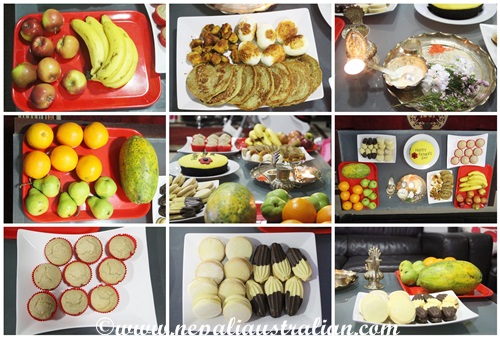
Both of my parents have lost their fathers, so each year on Father’s Day, they observe the custom of “sida daan,” a sacred offering made to a priest. Sida is a holy mixture of rice grains, other pure foods, and a set of clothes. Early in the morning, after a ritual bath, they visit the priest to offer the sida. Across Nepal, Hindus whose fathers have passed away gather at Gokarneswar Mahadev Temple on this day to worship, take holy dips, and make offerings. Many also perform “Sraddha” or “pinda daan” for their deceased fathers, whether at home, by a river, or at a sacred site.
The tradition of ancestor worship at Gokarna is steeped in mythology. It is said that in ancient times, Lord Shiva disguised himself as a one-horned golden deer and hid in the Pashupatinath forest. To save the world from suffering, Lord Vishnu, Lord Brahma, and Lord Indra eventually uncovered his disguise. When they captured the deer by its horn, it shattered, revealing Shiva. He then instructed the gods to place his horn in their respective realms. Vishnu enshrined his part in Vaikuntha, Indra in heaven, and Brahma at the sacred site of Gokarneshwor, establishing the tradition that continues today.
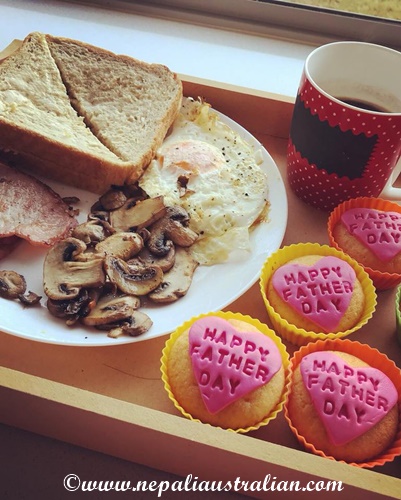
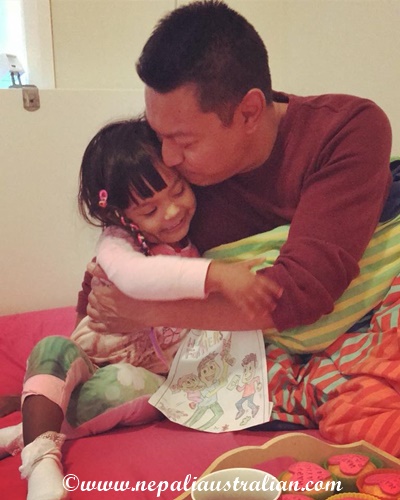
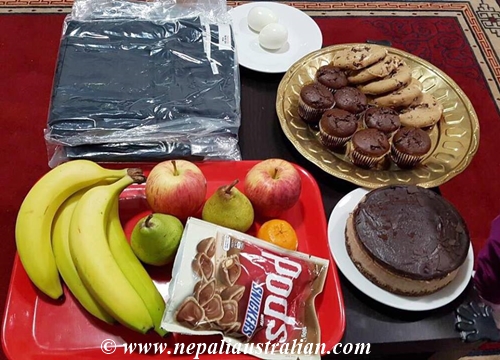
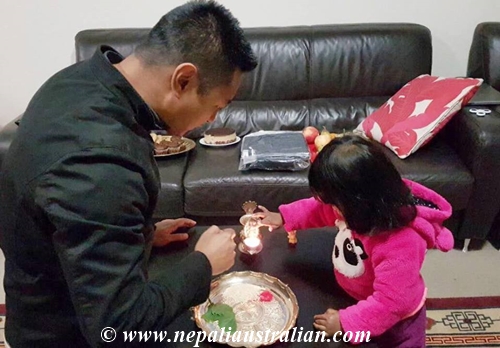
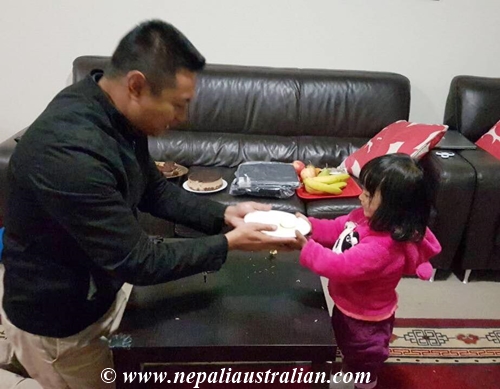
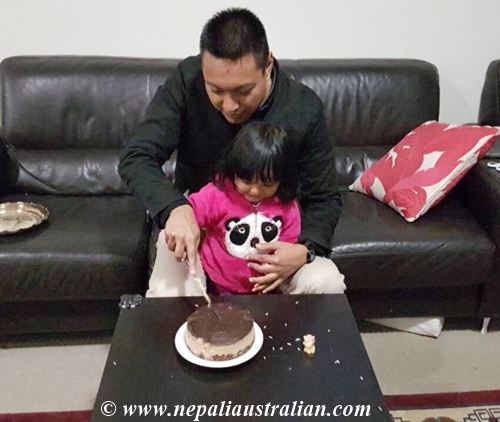
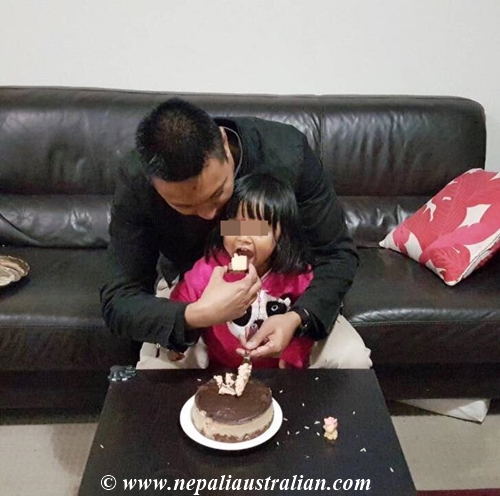
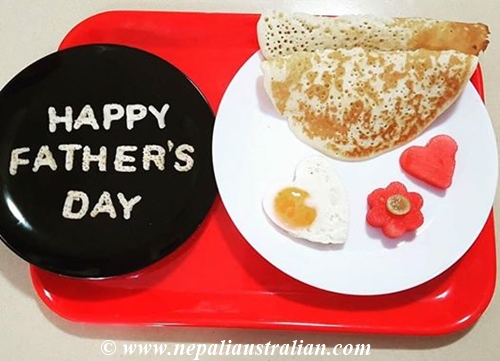
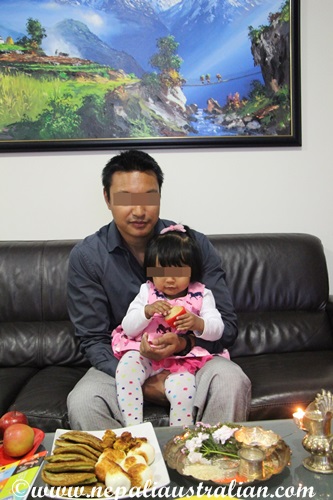
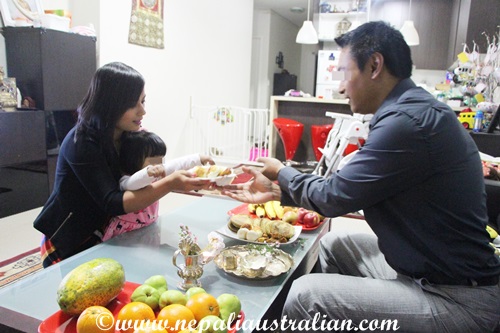
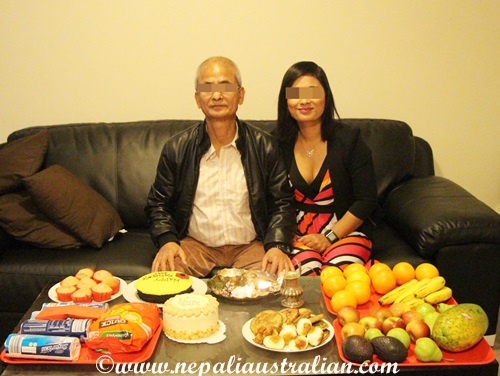
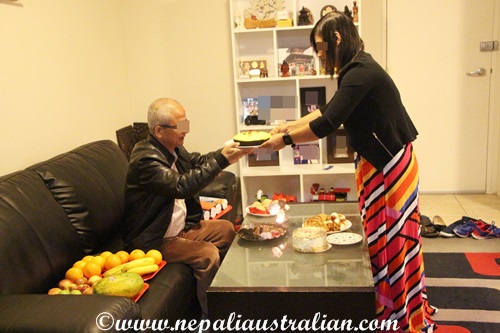
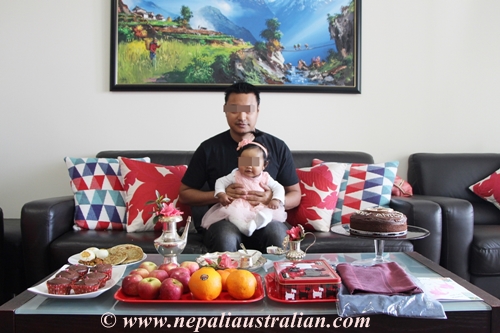
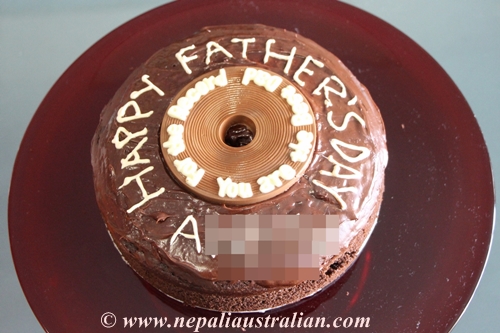
This year, we’re celebrating Father’s Day back to back, first with the Australian way and then the Nepali tradition one. Today, our family observed Nepali Father’s Day with the ritual of tika and Sagun, a moment that always feels special. But this year, it was even more meaningful. Watching Chhori confidently perform the puja on her own filled me with pride, and Chhora’s eagerness to learn every detail brought a deep sense of fulfilment. It’s incredibly rewarding to see our efforts to teach them about Nepali traditions paying off, as they’re not only participating but also developing a genuine curiosity about our rich heritage. These small steps we take to preserve our culture are creating lasting memories and a stronger connection to their roots.
M from Nepaliaustralian
XOXO
Please follow me on Instagram! and Please follow me on TikTok






























 nepaliaustralian