Tag Archives: Nepali festival

Nepali Sel Roti (Crispy Rice Donut)

✨ Tihar is here! ✨ One of Nepal’s most colourful and joyful festivals — and what better way to celebrate than with Sel Roti, the crispy, golden rice donut that’s a true festival favourite. This traditional treat is made in almost every Nepali home during Tihar and Dashain, shared with family, friends, and neighbours.

Last year I bought them for $2 a piece — so this time, I decided to make my own! 😋


🌸 Ingredients

  • 2 cups rice flour
  • 1 cup plain (all-purpose) flour
  • 1 cup rice, washed and soaked overnight (drain before grinding)
  • 5 tablespoons sugar (add more if you like it sweeter)
  • ½ cup ghee (clarified butter)
  • 2 cups vegetable oil (for deep frying)
  • A pinch of salt (optional)

🪔 Equipment

  • Blender or wet grinder (for soaked rice)
  • Large mixing bowl
  • Electric mixer (or whisk)
  • Deep frying pan or kadai
  • Funnel (or an empty plastic water bottle cut in half)
  • Wooden chopsticks or tongs
  • Paper towels for draining

⏰ Prep Time

  • Soak rice: overnight (8–12 hours)
  • Batter rest: 2–4 hours in fridge
  • Active hands-on time: 30–45 minutes

🍩 Makes

8–12 medium sel rotis (depending on size)


👩‍🍳 Method

  1. Soak & grind rice
    • Wash and soak the rice overnight.
    • Drain the rice and grind it into a semi-coarse paste with just enough water to blend smoothly.
  2. Mix ghee and sugar
    • In a large bowl, add ghee and sugar.
    • Beat well with an electric mixer (or whisk) until creamy and smooth.
  3. Add flours
    • Gradually add the rice flour and plain flour to the ghee-sugar mixture, mixing slowly to combine evenly.
  4. Add rice paste
    • Pour in the ground rice paste and mix thoroughly with your hands until you have a thick, smooth batter.
    • The batter should be pourable but not runny — similar to pancake batter consistency.
  5. Rest the batter
    • Cover and refrigerate for 2–4 hours to allow the texture and flavour to develop.
  6. Prepare for frying
    • Heat oil in a deep pan over medium heat — not too hot.
    • To test, drop a little batter into the oil. It should float and sizzle gently, not burn right away.
  7. Shape & fry
    • Fill your funnel or bottle with batter.
    • Carefully pour the batter into the hot oil in a circular motion, forming a ring (like a donut).
    • Once the sel roti rises to the surface and turns golden at the bottom, flip gently with chopsticks or tongs.
    • Fry until both sides are crispy and golden brown.
  8. Drain & serve
    • Remove the sel roti and place on paper towels to absorb excess oil.
    • Repeat for the remaining batter.

🍽️ Serve With

Enjoy warm or at room temperature — delicious on its own or with aloo ko achar (spicy potato pickle), sukuti, or even a cup of hot tea. ☕

Please follow me on Instagram! and Please follow me on TikTok to stay updated on my adventures.

Take care,

M from Nepaliaustralian
XOXO

Why Newars Don’t Celebrate Teej?

Teej, a festival celebrated by many Hindu women, has its roots in ancient religious texts. According to legend, King Himalaya promised to marry his daughter Parvati to Lord Vishnu, but Parvati desired Lord Shiva instead. To win his favor, Parvati retreated to the forest, performing severe penance for 100 years without success. One day, she established a Shiva Lingam and fasted without food or water. Moved by her intense devotion, Lord Shiva appeared and granted her wish, leading to their marriage. This event, said to have taken place on the third day of the bright fortnight in the month of Bhadra, became the origin of Teej, celebrated by Hindu women ever since.

However, in Newar culture, the practice of Teej fasting does not apply. This is because Newar women undergo a unique set of marital rituals that set them apart from other Hindu traditions.

The Three Marriages of Newar Women

In the Newar tradition, a woman experiences three symbolic marriages during her lifetime:

  1. Ihi (Bel Marriage): In this ceremony, a young Newar girl marries a Bel fruit (symbolising Lord Suvarna Kumar or Hiranya Garbha). This ritual takes place before the girl reaches puberty and is a highly significant spiritual bond.
  2. Bara Tayegu (Gufa or Surya Darshan): In this second marriage, the girl symbolically marries the Sun during a special ceremony that typically occurs at the onset of her first menstruation. It is believed that this marriage to the Sun protects her from evil forces and ensures her purity.
  3. Marriage to a Man: The third and final marriage is with a human partner when the girl reaches adulthood.

The Significance of Bel and Sun Marriages

The Ihi ceremony, or Bel marriage, is performed with great reverence. The girl fasts and conducts rituals with the Bel fruit, along with a Kalash, Vajra, and Chakra, while her father ceremonially “gives her away.” The marriage is considered complete, and the girl is now symbolically married to Lord Suvarna Kumar.

The Bara Tayegu ceremony, also known as Gufa or Surya Darshan, involves a 12-day seclusion where the girl avoids sunlight, followed by a symbolic marriage to the Sun. This ritual signifies that the girl is now protected by the Sun’s divine energy, keeping her safe from negative influences.

After these sacred ceremonies, Newar women are considered perpetually married to Lord Suvarna Kumar and the Sun, ensuring they will never become widows. Because of these Vedic-Tantric rituals, Newar women are spiritually secure in their marital status, and there is no need for them to fast for the well-being of a future husband or for marital bliss, which is the central premise of Teej.

Why Newar Women Don’t Fast for Teej

Although Newar women are followers of Sanatan Hinduism, their religious practices exempt them from the need to observe the Teej fast. Since they are already symbolically married to Lord Suvarna Kumar through the Ihi ceremony, their marital status is spiritually guaranteed. They will never become widows, and thus, there is no religious requirement to fast for their husband’s long life or marital happiness.

For this reason, Newar women, while deeply embedded in Hindu traditions, do not celebrate Teej in the same way other Hindu women do. Their rituals provide them with a different, yet equally sacred, assurance of marital bliss.

Modern Practices and Changes

In recent times, however, some Newar women have started fasting during Teej, influenced by other Hindu communities. While there is no harm in choosing to observe this fast voluntarily, it is essential to recognise that it is not a religious obligation for Newar women.

Newar women already possess a profound spiritual connection through their unique marital rituals. Therefore, while observing Teej fasting is a personal choice, it’s important to understand that Newar culture provides its own beautiful path to marital fulfilment, without the need for Teej observances.

M from Nepaliaustralian

XOXO

Please follow me on Instagram! and Please follow me on TikTok

Teej Celebration

Today marks the celebration of Teej, a festival cherished by Hindu women in Nepal. Observed on the 3rd day of Bhadra Shukla Paksha (as per the Nepali lunar calendar), Teej typically falls in late August or early September. This year, the Fasting day coincides with today. Though I am from the Newar community, where Teej is not traditionally celebrated, I love participating in the festivities here in Sydney with my friends.

Teej is a significant occasion where women fast to seek marital bliss, the well-being of their spouses and children, and purification of both body and soul. Married women fast for their husband’s long life, prosperity, and a strong, enduring bond that transcends not only this life but all lives to come. Unmarried women, on the other hand, pray for an ideal husband. Fasting is observed by most women and girls who have reached puberty, unless they are unwell or physically unable.

In Nepal, Teej is celebrated over four days, each holding its own special meaning:

  • The First Day (Dar Khane Din): A day of feasting and celebration.
  • The Second Day: The main fasting day.
  • The Third Day: A day of purification.
  • The Fourth Day (Rishi Panchami): A day dedicated to honoring the seven sages, or Rishis.

Dar Khane Din

The first day of Teej is known as “Dar Khane Din.” On this day, women dress in their finest attire and gather together to celebrate. Most wear red or dark pink saris, adorned with traditional pote (glass bead necklaces), chura (bangles), and gold jewelry. Some even apply intricate henna designs on their hands. The day is filled with joyous singing, dancing, and a grand feast that often continues until midnight, after which the 24-hour fast begins.

In Sydney, we celebrate Dar Khane Din by each preparing a dish and gathering at one house. We dance, sing, and enjoy dinner together. While most of us don’t fast, it’s a wonderful opportunity to wear saris, accessorise with jewellery, and have fun with friends. I really look forward to this day each year.

Fasting Day

The second day of Teej is the official fasting day. Many women abstain from both food and water for the entire day, while others take liquids and fruits, praying for their husband’s long life. This day is crucial in the Teej celebrations, as women dedicate their day to prayers and puja (worship).

In Nepal, the holy Pashupatinath temple becomes a focal point during Teej, with thousands of women in red saris offering their prayers to Lord Shiva. Women gather to perform puja to Lord Shiva and Goddess Parvati, offering flowers, sweets, and coins. A significant aspect of the puja ceremony is the lighting of an oil lamp, which must be kept burning throughout the night to ward off evil.

Purification Day

The third day of Teej is dedicated to purification. After fasting, women bathe and purify themselves with rituals that are intended to cleanse both the body and the soul. They often gather at temples, continuing their prayers to Lord Shiva. This day symbolises the renewal of the mind, body, and spirit, and it marks the conclusion of the fast. The rituals on this day bring a sense of serenity and peace, completing the process of spiritual renewal.

Rishi Panchami

The fourth and final day of Teej is called Rishi Panchami, a day devoted to honouring the seven great sages, or Rishis. On this day, women perform special rituals and pujas to seek forgiveness for any sins, especially those committed unknowingly during menstruation. It is a day of atonement and reverence for the wisdom of the Rishis. Women also take a ritual bath, symbolising purification, and offer their respect to the earth and nature. This day concludes the Teej festival with a focus on spiritual cleanliness and reverence for ancient traditions.

To everyone celebrating Teej today, I wish you a joyful and blessed day! May it bring you happiness, good health, and cherished memories.

M from Nepaliaustralian

XOXO

Please follow me on Instagram! and Please follow me on TikTok

Sri Krishna Janmashtami

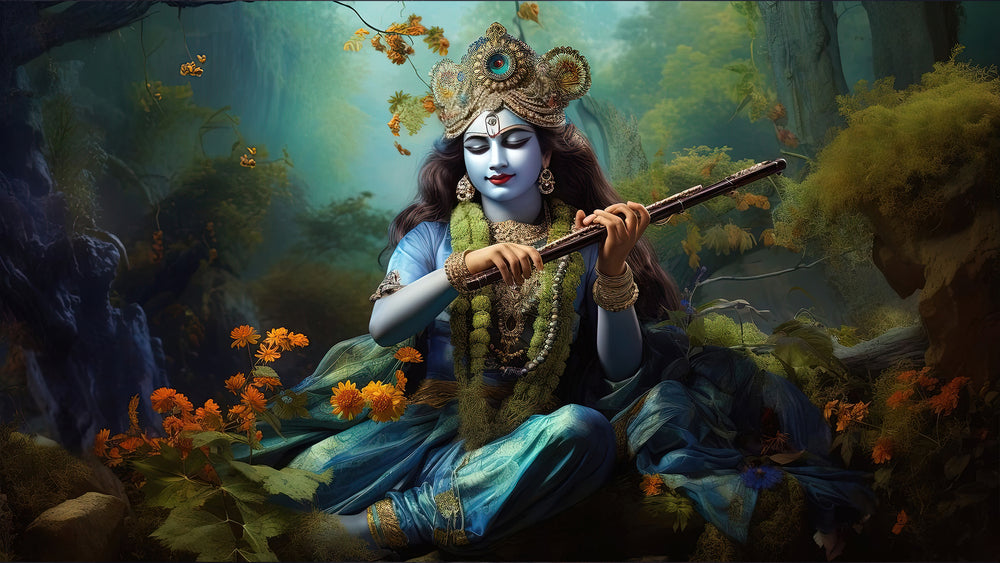
Today is Sri Krishna Janmashtami, a revered festival celebrating the divine birth of Lord Krishna. This festival is observed on the Ashtami Tithi—the eighth day of the dark fortnight (Krishna Paksha) in the month of Bhadra according to the Nepali Bikram Sambat calendar. In the Gregorian calendar, it typically falls in August or September.

Sri Krishna Janmashtami is more than just a festival; it is a profound expression of devotion, spirituality, and the eternal battle between good and evil. On this day, Hindus around the world unite in celebration, fasting until midnight—the sacred hour believed to mark the moment of Krishna’s birth. The day is filled with the chanting of verses from the Bhagavad Gita, the singing of bhajans, and the joyous celebration of kirtans. Temples dedicated to Lord Krishna are adorned with vibrant decorations, and the air is filled with the sounds of devotion and the scent of incense.

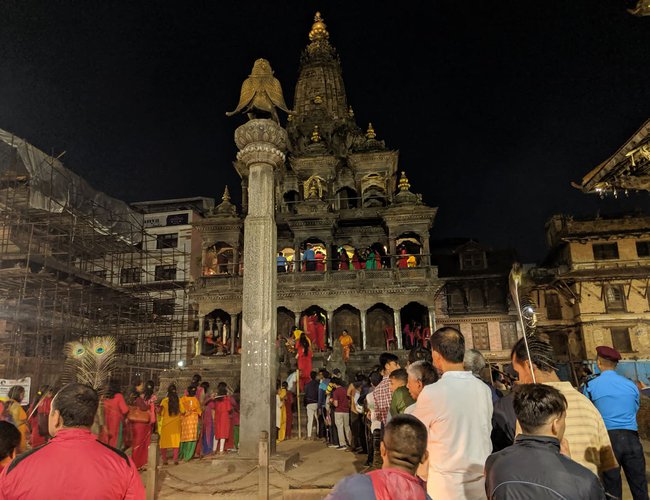
In Nepal, the Krishna Mandir in Patan Durbar Square, along with the Narayanhiti Krishna Mandir and other significant temples, become the epicenters of Janmashtami celebrations. Devotees flock to these sacred sites, transforming the night into a vibrant tapestry of faith and devotion. As they gather in large numbers, their hearts are united by the love and reverence they hold for Lord Krishna. The sight of women chanting Krishna’s many names, ‘Narayan, Narayan’ and ‘Gopal, Gopal,’ and the rhythmic clapping of hands in tune with ancient hymns creates an atmosphere of divine energy. The narrow steps leading to the temple’s inner sanctum are filled with worshippers, each offering flowers, coins, and food, yearning for a glimpse of the sacred idol of Krishna. After receiving ‘prasad’—the blessed food offerings—from the temple priests, they return home, their spirits uplifted and hearts content.

The festival also features the installation of beautiful cribs holding small idols of ‘Balgopal’ (baby Krishna), symbolising the joyous moment of his birth. These cribs, often referred to as “jhulas,” are tenderly decorated in Krishna temples, evoking the playful and endearing nature of the child-god. Additionally, the night comes alive with performances of Krishna Lila, dramatic reenactments of Lord Krishna’s life, showcasing his divine play (Lila) and his role as the protector of dharma (righteousness).

But beyond the rituals and festivities, Krishna Janmashtami carries a profound message that resonates through the ages. In the Bhagavad Gita, Krishna famously declares, “Whenever there is a decline in righteousness and an increase in unrighteousness, I manifest myself on earth.” This statement is not merely a declaration of divine intervention but a promise that goodness will always find a way to triumph over evil. Krishna Janmashtami serves as a powerful reminder that in times of darkness, when the world seems engulfed by sin and corruption, divine intervention will restore balance and order. The festival symbolises hope, the promise of renewal, and the assurance that no matter how overwhelming the forces of darkness may seem, the light of truth and righteousness will always prevail.

During Krishna Janmashtami, one of the most delightful sights is seeing little kids dressed up as Lord Krishna. Adorned in vibrant dhotis, peacock feathers, and tiny flutes, they embody the playful and charming spirit of Krishna, bringing joy to everyone around. The innocence of these young ones, coupled with their radiant smiles, adds a special sweetness to the celebration, making the occasion even more heartwarming. It’s a beautiful tradition that not only honours the birth of Lord Krishna but also creates cherished memories for families and communities. Just look at chhora as Krishna ji—it’s simply too adorable!

Sri Krishna Janmashtami, therefore, is not just a celebration of Krishna’s birth but a reaffirmation of our faith in the ultimate victory of good over evil, a timeless truth that continues to inspire and guide us through life’s challenges.

M from Nepaliaustralian

XOXO

Please follow me on Instagram! and Please follow me on TikTok