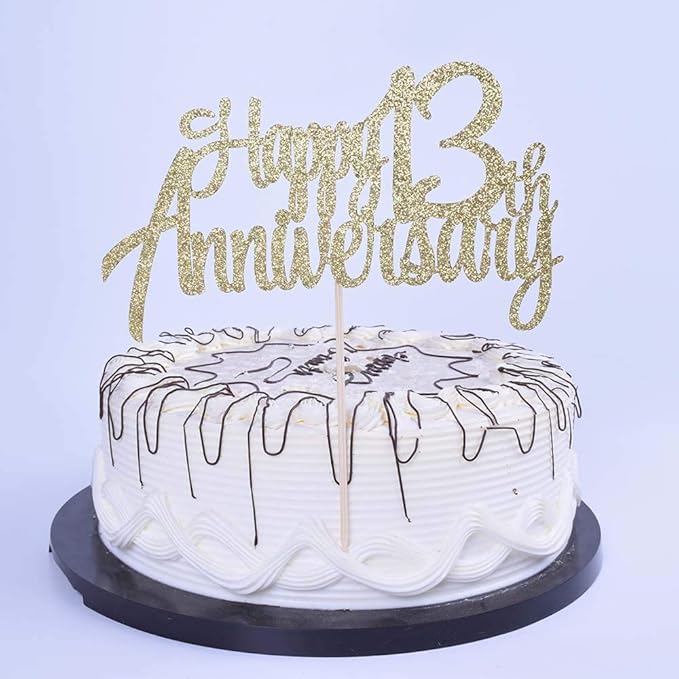
I can hardly believe it—Nepaliaustralian has officially turned 13! When I first started this blog, social media was just beginning to take off, and I had no idea it would connect me with so many amazing people across the globe.
What began as a simple hobby has grown into an incredible journey. Never in my wildest dreams did I think I’d be writing this 13th-anniversary post! This blog has become my personal way of celebrating Nepali culture, traditions, and the unique experience of being a Nepali living in Australia.
As of today, Nepaliaustralian proudly stands at 1,109 posts, 81 pages, 10,714 comments, 2,506,733 page views, 4,447 followers, and 1,383,135 readers from 230 countries. 🙂
I’m beyond grateful to each and every one of you for your support over these 13 years. Your encouragement, comments, likes, and shares have meant the world to me, and I truly couldn’t have come this far without you. Thank you for listening to my stories, sharing in my journey, and showing so much love to my family.
Teej, a festival celebrated by many Hindu women, has its roots in ancient religious texts. According to legend, King Himalaya promised to marry his daughter Parvati to Lord Vishnu, but Parvati desired Lord Shiva instead. To win his favor, Parvati retreated to the forest, performing severe penance for 100 years without success. One day, she established a Shiva Lingam and fasted without food or water. Moved by her intense devotion, Lord Shiva appeared and granted her wish, leading to their marriage. This event, said to have taken place on the third day of the bright fortnight in the month of Bhadra, became the origin of Teej, celebrated by Hindu women ever since.
However, in Newar culture, the practice of Teej fasting does not apply. This is because Newar women undergo a unique set of marital rituals that set them apart from other Hindu traditions.
The Three Marriages of Newar Women
In the Newar tradition, a woman experiences three symbolic marriages during her lifetime:
Ihi (Bel Marriage): In this ceremony, a young Newar girl marries a Bel fruit (symbolising Lord Suvarna Kumar or Hiranya Garbha). This ritual takes place before the girl reaches puberty and is a highly significant spiritual bond.
Bara Tayegu (Gufa or Surya Darshan): In this second marriage, the girl symbolically marries the Sun during a special ceremony that typically occurs at the onset of her first menstruation. It is believed that this marriage to the Sun protects her from evil forces and ensures her purity.
Marriage to a Man: The third and final marriage is with a human partner when the girl reaches adulthood.
The Significance of Bel and Sun Marriages
The Ihi ceremony, or Bel marriage, is performed with great reverence. The girl fasts and conducts rituals with the Bel fruit, along with a Kalash, Vajra, and Chakra, while her father ceremonially “gives her away.” The marriage is considered complete, and the girl is now symbolically married to Lord Suvarna Kumar.
The Bara Tayegu ceremony, also known as Gufa or Surya Darshan, involves a 12-day seclusion where the girl avoids sunlight, followed by a symbolic marriage to the Sun. This ritual signifies that the girl is now protected by the Sun’s divine energy, keeping her safe from negative influences.
After these sacred ceremonies, Newar women are considered perpetually married to Lord Suvarna Kumar and the Sun, ensuring they will never become widows. Because of these Vedic-Tantric rituals, Newar women are spiritually secure in their marital status, and there is no need for them to fast for the well-being of a future husband or for marital bliss, which is the central premise of Teej.
Why Newar Women Don’t Fast for Teej
Although Newar women are followers of Sanatan Hinduism, their religious practices exempt them from the need to observe the Teej fast. Since they are already symbolically married to Lord Suvarna Kumar through the Ihi ceremony, their marital status is spiritually guaranteed. They will never become widows, and thus, there is no religious requirement to fast for their husband’s long life or marital happiness.
For this reason, Newar women, while deeply embedded in Hindu traditions, do not celebrate Teej in the same way other Hindu women do. Their rituals provide them with a different, yet equally sacred, assurance of marital bliss.
Modern Practices and Changes
In recent times, however, some Newar women have started fasting during Teej, influenced by other Hindu communities. While there is no harm in choosing to observe this fast voluntarily, it is essential to recognise that it is not a religious obligation for Newar women.
Newar women already possess a profound spiritual connection through their unique marital rituals. Therefore, while observing Teej fasting is a personal choice, it’s important to understand that Newar culture provides its own beautiful path to marital fulfilment, without the need for Teej observances.
Today marks the celebration of Teej, a festival cherished by Hindu women in Nepal. Observed on the 3rd day of Bhadra Shukla Paksha (as per the Nepali lunar calendar), Teej typically falls in late August or early September. This year, the Fasting day coincides with today. Though I am from the Newar community, where Teej is not traditionally celebrated, I love participating in the festivities here in Sydney with my friends.
Teej is a significant occasion where women fast to seek marital bliss, the well-being of their spouses and children, and purification of both body and soul. Married women fast for their husband’s long life, prosperity, and a strong, enduring bond that transcends not only this life but all lives to come. Unmarried women, on the other hand, pray for an ideal husband. Fasting is observed by most women and girls who have reached puberty, unless they are unwell or physically unable.
In Nepal, Teej is celebrated over four days, each holding its own special meaning:
The First Day (Dar Khane Din): A day of feasting and celebration.
The Second Day: The main fasting day.
The Third Day: A day of purification.
The Fourth Day (Rishi Panchami): A day dedicated to honoring the seven sages, or Rishis.
Dar Khane Din
The first day of Teej is known as “Dar Khane Din.” On this day, women dress in their finest attire and gather together to celebrate. Most wear red or dark pink saris, adorned with traditional pote (glass bead necklaces), chura (bangles), and gold jewelry. Some even apply intricate henna designs on their hands. The day is filled with joyous singing, dancing, and a grand feast that often continues until midnight, after which the 24-hour fast begins.
In Sydney, we celebrate Dar Khane Din by each preparing a dish and gathering at one house. We dance, sing, and enjoy dinner together. While most of us don’t fast, it’s a wonderful opportunity to wear saris, accessorise with jewellery, and have fun with friends. I really look forward to this day each year.
Fasting Day
The second day of Teej is the official fasting day. Many women abstain from both food and water for the entire day, while others take liquids and fruits, praying for their husband’s long life. This day is crucial in the Teej celebrations, as women dedicate their day to prayers and puja (worship).
In Nepal, the holy Pashupatinath temple becomes a focal point during Teej, with thousands of women in red saris offering their prayers to Lord Shiva. Women gather to perform puja to Lord Shiva and Goddess Parvati, offering flowers, sweets, and coins. A significant aspect of the puja ceremony is the lighting of an oil lamp, which must be kept burning throughout the night to ward off evil.
Purification Day
The third day of Teej is dedicated to purification. After fasting, women bathe and purify themselves with rituals that are intended to cleanse both the body and the soul. They often gather at temples, continuing their prayers to Lord Shiva. This day symbolises the renewal of the mind, body, and spirit, and it marks the conclusion of the fast. The rituals on this day bring a sense of serenity and peace, completing the process of spiritual renewal.
Rishi Panchami
The fourth and final day of Teej is called Rishi Panchami, a day devoted to honouring the seven great sages, or Rishis. On this day, women perform special rituals and pujas to seek forgiveness for any sins, especially those committed unknowingly during menstruation. It is a day of atonement and reverence for the wisdom of the Rishis. Women also take a ritual bath, symbolising purification, and offer their respect to the earth and nature. This day concludes the Teej festival with a focus on spiritual cleanliness and reverence for ancient traditions.
To everyone celebrating Teej today, I wish you a joyful and blessed day! May it bring you happiness, good health, and cherished memories.
Yesterday marked Kushe Aushi in Nepal, known as Nepali Father’s Day. The day gets its name from “Kush,” a sacred grass traditionally brought home on this no-moon day, or Aushi, hence the name Kushe Aushi.
As I’ve shared in previous posts, Nepal follows a different calendar than the Gregorian one, so Father’s Day in Nepal falls on a different date than in the Western world. In Australia, Father’s Day is celebrated on the first Sunday of September, but in Nepal, the date shifts each year based on the lunar calendar. In Nepal, this day is affectionately known as “Buwa ko Mukh Herne,” which translates to “looking at father’s face.”
Both of my parents have lost their fathers, so each year on Father’s Day, they observe the custom of “sida daan,” a sacred offering made to a priest. Sida is a holy mixture of rice grains, other pure foods, and a set of clothes. Early in the morning, after a ritual bath, they visit the priest to offer the sida. Across Nepal, Hindus whose fathers have passed away gather at Gokarneswar Mahadev Temple on this day to worship, take holy dips, and make offerings. Many also perform “Sraddha” or “pinda daan” for their deceased fathers, whether at home, by a river, or at a sacred site.
The tradition of ancestor worship at Gokarna is steeped in mythology. It is said that in ancient times, Lord Shiva disguised himself as a one-horned golden deer and hid in the Pashupatinath forest. To save the world from suffering, Lord Vishnu, Lord Brahma, and Lord Indra eventually uncovered his disguise. When they captured the deer by its horn, it shattered, revealing Shiva. He then instructed the gods to place his horn in their respective realms. Vishnu enshrined his part in Vaikuntha, Indra in heaven, and Brahma at the sacred site of Gokarneshwor, establishing the tradition that continues today.
This year, we’re celebrating Father’s Day back to back, first with the Australian way and then the Nepali tradition one. Today, our family observed Nepali Father’s Day with the ritual of tika and Sagun, a moment that always feels special. But this year, it was even more meaningful. Watching Chhori confidently perform the puja on her own filled me with pride, and Chhora’s eagerness to learn every detail brought a deep sense of fulfilment. It’s incredibly rewarding to see our efforts to teach them about Nepali traditions paying off, as they’re not only participating but also developing a genuine curiosity about our rich heritage. These small steps we take to preserve our culture are creating lasting memories and a stronger connection to their roots.
On Sunday we celebrated Australian Father’s Day filled with gratitude, love, and appreciation for the person who gives us unconditional love and unwavering support. In our household, we’ve nurtured a heartwarming tradition of celebrating this special day by pampering the father of the house with a lovingly prepared breakfast in bed.
The morning began with the delightful aroma of pancakes cooking on the stove. As the batter sizzled and turned golden, the kids eagerly jumped in to help. My little one took great care in cutting strawberries into heart shapes—a sweet touch that added a special, personalised element to the breakfast. It’s these small acts of love that make our tradition so meaningful.
Once the pancakes were perfectly stacked, we began decorating them with the heart-shaped strawberries, a handful of marshmallows, and a drizzle of rich chocolate. The kids couldn’t contain their excitement as they added the final touch—a generous swirl of whipped cream. The result was a beautiful and delicious creation, brimming with love and thoughtfulness.
We carefully arranged everything on a tray, adding the final touches—handmade cards and thoughtful gifts that the kids had brought home from school. With the tray ready, we quietly tiptoed to the bedroom, where the anticipation was building. The kids could hardly wait to surprise him!
As we entered the room, the look on AS’s face was priceless. The kids beamed with pride as they read their heartfelt messages aloud, each one filled with love, gratitude, and a touch of humour. They eagerly explained each gift, recounting how they made or chose them with their dad in mind. The joy and laughter that filled the room at that moment were truly priceless.
He then enjoyed his breakfast, savouring each bite as the kids hovered around him, eager to hear his thoughts on their culinary masterpiece. It’s moments like these that make this tradition so special seeing the joy in his eyes and the excitement in the kids as they come together to celebrate someone so important in our lives.
Keeping this tradition alive year after year fills our hearts with happiness and creates memories that we will cherish forever. I’m grateful that we can take this day to spoil the man who spends every day spoiling us with his love, care, and endless support.
To all the dads out there, Happy Father’s Day! May your day be as special and as filled with love as the one we’ve celebrated today.
















 nepaliaustralian