Category Archives: Nepali Festivals

Why I Don’t Eat Beef: A Deeper Look into Tradition and Symbolism

Recently, one of my readers asked an interesting question: “If eating beef is considered sinful because of the relationship between the cow as a mother and her milk, then why do Hindus, especially Nepalese Hindus, happily eat buffalo meat? Isn’t buffalo milk more nutritious, making buffalo a better mother?”

It got me thinking, and I did some digging to explore this further. Here’s what I found and why I don’t eat beef.

First, it’s important to recognise that in Hinduism, the cow holds a unique and sacred place, and this reverence goes beyond mere practicality or nutrition. The cow is symbolically and spiritually connected to Hindu beliefs and culture, which is why I, like many other Hindus, refrain from eating beef.

The Spiritual Connection with Cows

The cow has been revered in Hinduism for thousands of years. In the Vedas and ancient scriptures, the cow is referred to as “Gau Mata” or “Mother Cow,” symbolising motherhood, nurturing, and selfless giving. This connection comes not just from the milk the cow provides but from its association with key deities. For instance:

  • Lord Krishna, one of the most beloved Hindu deities, was raised as a cowherd, and his playful interaction with cows is often depicted in religious art. Cows are also tied to Lord Krishna’s teachings on compassion and non-violence.
  • Goddess Earth (Prithvi) is sometimes personified as a cow, highlighting the belief that cows are life-sustaining and nurturing like the Earth itself.

In this context, cows are considered symbols of life, fertility, and the provider of sustenance, much like a mother to her children. Eating beef, therefore, is seen as equivalent to committing harm to a mother, which is why it is considered a sin in many Hindu communities.

But Why is Buffalo Meat Accepted?

In Nepal, and particularly among groups like the Newars, buffalo meat is widely consumed despite the taboo on beef. This difference arises because buffaloes do not share the same religious or cultural symbolism as cows. While buffalo milk is indeed more nutritious than cow milk—higher in fat, protein, and other nutrients—the spiritual reverence for cows stems from deeper historical, cultural, and religious roots.

Here are a few reasons why buffalo meat is accepted in certain Hindu communities:

  1. Lack of Spiritual Connection: Buffaloes, unlike cows, are not venerated in Hindu scriptures. While buffaloes are important for milk and meat, they do not have the same symbolic and religious significance as cows. The spiritual bond with cows goes beyond their utility, making them sacred, while buffaloes are seen as utilitarian animals.
  2. Cultural and Ethnic Traditions: In Nepal, different ethnic groups have their own dietary practices. For example, Newar Hindus include buffalo meat (locally called “buff”) as a staple in their cuisine. The acceptance of buffalo meat comes from cultural practices that predate modern Hindu dietary restrictions. Buffaloes are raised for both milk and meat, and the consumption of buffalo meat has become culturally normalised.
  3. Practicality: In regions where cows may be harder to raise due to climate or geography, buffaloes are more common because they are hardy animals that can thrive in harsher conditions. This practicality makes buffaloes valuable for both their milk and meat, especially in Nepal.

The Sacredness of Cows Goes Beyond Nutrition

Even though buffalo milk is more nutritious, the sacredness of cows in Hinduism is not tied to nutritional value. Instead, it is based on symbolism. Cows are gentle creatures, embodying the principles of non-violence (ahimsa), purity, and selfless service. They provide milk, dung (used as fuel or fertiliser), and serve as companions in farming, making them deeply integrated into traditional agrarian life.

For Hindus, the reverence for cows is not just about their physical benefits; it’s about what they represent in terms of compassion, nurturing, and life-giving energy. This is why cow slaughter is prohibited in many parts of India and Nepal, and why I choose not to eat beef.

Please follow me on Instagram! and Please follow me on TikTok to stay updated on my adventures.

Take care,

M from Nepaliaustralian
XOXO

Celebrating Dashain 2024

The last few days have been a whirlwind of fun, family, and festivities as we’ve been busy celebrating Dashain, one of the most cherished festivals in our culture. It’s always a time of togetherness, where we come together with friends and family to share joy, laughter, and of course, delicious food!

From Tika and Jamara to playing cards and eating delicious food, the spirit of Dashain has been in full swing. We’ve enjoyed the beautiful rituals, reconnected with family, and created unforgettable memories. Here are some glimpses of our celebrations – filled with love, blessings, and happiness.

Asthami

Nawami

Dashami

Wishing everyone a Happy Dashain! May the blessings of Goddess Durga bring peace, prosperity, and success to you and your family. 🙏✨

Here are the posts I have written regarding Dashian over the years .

Please follow me on Instagram! and Please follow me on TikTok to stay updated on my adventures.

Take care,

M from Nepaliaustralian
XOXO

Dashain Diaries: Welcoming Nepal’s Biggest Festival with Jamara, Joy, and Family Traditions

Dashain is here! The air is filled with excitement, nostalgia, and the promise of family gatherings, food, and festivities. Yesterday marked Ghatasthapana, the first day of Dashain, which sets the tone for the next 15 days of celebration. In households across Nepal—and for Nepali communities around the globe—this day is sacred. It’s the day we plant Jamara, those sprouting yellow-green shoots that symbolize prosperity and blessings.

But what makes Dashain so special?

For starters, it’s not just any festival. Dashain is Nepal’s biggest and longest Hindu festival, celebrated for 15 glorious days of tradition, reunions, and cultural pride. From Ghatasthapana to the grand finale on Vijaya Dashami, it’s a time when families gather, share meals, exchange blessings, and honour the victory of good over evil.

So, if you’re new to Dashain or just looking to rekindle that festive spirit, here’s a peek into why we cherish this time of year!

The Legends Behind Dashain: Why It’s More Than Just a Festival

Dashain is steeped in legends and Hindu mythology. According to one tale, it’s the story of Ram—the hero who defeated the demon king Ravana after nine days of prayer and worshipping Goddess Durga. The tenth day, Dashami, marks Ram’s victory, symbolizing the triumph of good over evil.

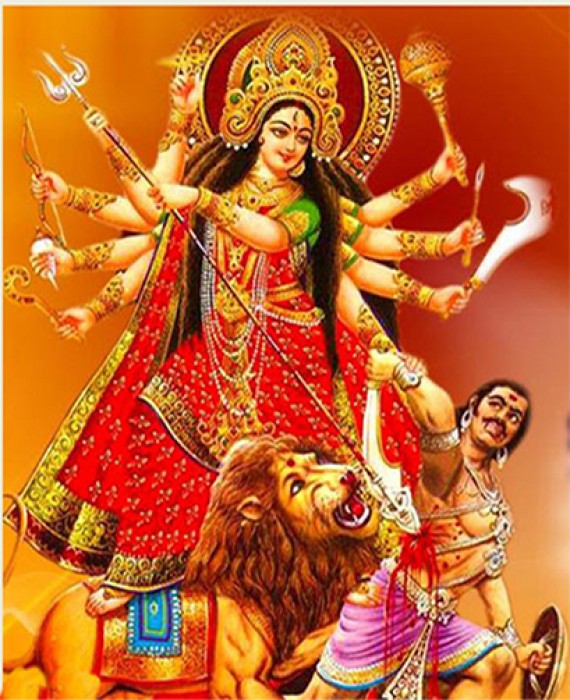
Another tale revolves around Mahishasura, the fearsome demon who terrorized both Earth and Heaven. The gods created Durga, the powerful goddess who battled Mahishasura for nine long days. On the tenth day, Durga slew the demon, marking the day of victory—Vijaya Dashami.

These stories remind us that no matter how challenging life gets, good will always prevail. And that’s why we place tika (a red vermilion paste mixed with rice and yogurt) on our foreheads during Dashain—it’s a blessing for victory, strength, and resilience in the coming year.

Day 1: Ghatasthapana – Planting Jamara, Growing Prosperity

Ghatasthapana (literally meaning “pot establishment”) marks the official start of Dashain. This is the day we plant Jamara—the sacred barley seeds that we lovingly water and nurture for the next ten days. These delicate sprouts will grow to represent blessings, and we use them on Vijaya Dashami for the tika ceremony.

I planted my Jamara yesterday. It’s always a special moment for me—preparing the soil, sowing the seeds, and knowing that in 10 days, those golden-green shoots will be ready for the most important ritual of Dashain. I can’t wait to see how well they grow this year!


Dashain Activities: Where Tradition Meets Fun

What makes Dashain feel so magical is the blend of deep-rooted traditions with simple pleasures. Here are some of the most exciting things we look forward to every Dashain:

1. Kite Flying

As soon as Dashain kicks off, the skies in Nepal fill with colorful kites—each one carrying the message that the monsoon season is over. I have fond memories of rooftop kite battles with my brothers, shouting “Changa Chet!” (which means “kite cut!”) every time we managed to down someone else’s kite. It’s a playful battle that I miss every year.

2. Family Card Games

I can’t talk about Dashain without mentioning the card games! Even though gambling is technically illegal in Nepal, Dashain is an exception. Families gather around with cards, placing small bets (or just playing for fun!). I used to love sneaking into the grown-ups’ game as a kid, hoping to win a few coins.

3. Shopping for New Clothes

Dashain is the time for new clothes! For many families, this is the only time of the year when they can afford new outfits. Shops across Nepal offer crazy discounts, and it’s a rush of excitement as everyone prepares for the festival. I treated myself to a new dress this weekend—because who doesn’t love a reason to shop, right?

4. Bamboo Swings (Ping)

In the countryside, you’ll find bamboo swings constructed just before Dashain. These aren’t your average playground swings either—they’re towering structures that often go 20 feet high! Swinging on a ping is a thrill, and for many, it’s a must-do every year.


The Sweet Chaos: Fairs, Concerts, and Food!

Dashain isn’t just about rituals; it’s also about fun and celebration! Throughout Nepal, you’ll find fairs, concerts, and dashain melas (markets) popping up in towns and cities. These events bring people together for a bit of light-hearted fun—think Ferris wheels, local snacks, and live performances.

And then there’s the food! The streets fill with the smell of fried treats, freshly made sel roti (a traditional rice doughnut), and crispy chatpate (Nepal’s beloved street food). It’s the time to indulge, because Dashain only comes once a year!


Happy Dashain, everyone!

Here are the posts I have written regarding Dashian over the years .

Please follow me on Instagram! and Please follow me on TikTok to stay updated on my adventures.

Take care,

M from Nepaliaustralian
XOXO
Why Newars Don’t Celebrate Teej?

Teej, a festival celebrated by many Hindu women, has its roots in ancient religious texts. According to legend, King Himalaya promised to marry his daughter Parvati to Lord Vishnu, but Parvati desired Lord Shiva instead. To win his favor, Parvati retreated to the forest, performing severe penance for 100 years without success. One day, she established a Shiva Lingam and fasted without food or water. Moved by her intense devotion, Lord Shiva appeared and granted her wish, leading to their marriage. This event, said to have taken place on the third day of the bright fortnight in the month of Bhadra, became the origin of Teej, celebrated by Hindu women ever since.

However, in Newar culture, the practice of Teej fasting does not apply. This is because Newar women undergo a unique set of marital rituals that set them apart from other Hindu traditions.

The Three Marriages of Newar Women

In the Newar tradition, a woman experiences three symbolic marriages during her lifetime:

  1. Ihi (Bel Marriage): In this ceremony, a young Newar girl marries a Bel fruit (symbolising Lord Suvarna Kumar or Hiranya Garbha). This ritual takes place before the girl reaches puberty and is a highly significant spiritual bond.
  2. Bara Tayegu (Gufa or Surya Darshan): In this second marriage, the girl symbolically marries the Sun during a special ceremony that typically occurs at the onset of her first menstruation. It is believed that this marriage to the Sun protects her from evil forces and ensures her purity.
  3. Marriage to a Man: The third and final marriage is with a human partner when the girl reaches adulthood.

The Significance of Bel and Sun Marriages

The Ihi ceremony, or Bel marriage, is performed with great reverence. The girl fasts and conducts rituals with the Bel fruit, along with a Kalash, Vajra, and Chakra, while her father ceremonially “gives her away.” The marriage is considered complete, and the girl is now symbolically married to Lord Suvarna Kumar.

The Bara Tayegu ceremony, also known as Gufa or Surya Darshan, involves a 12-day seclusion where the girl avoids sunlight, followed by a symbolic marriage to the Sun. This ritual signifies that the girl is now protected by the Sun’s divine energy, keeping her safe from negative influences.

After these sacred ceremonies, Newar women are considered perpetually married to Lord Suvarna Kumar and the Sun, ensuring they will never become widows. Because of these Vedic-Tantric rituals, Newar women are spiritually secure in their marital status, and there is no need for them to fast for the well-being of a future husband or for marital bliss, which is the central premise of Teej.

Why Newar Women Don’t Fast for Teej

Although Newar women are followers of Sanatan Hinduism, their religious practices exempt them from the need to observe the Teej fast. Since they are already symbolically married to Lord Suvarna Kumar through the Ihi ceremony, their marital status is spiritually guaranteed. They will never become widows, and thus, there is no religious requirement to fast for their husband’s long life or marital happiness.

For this reason, Newar women, while deeply embedded in Hindu traditions, do not celebrate Teej in the same way other Hindu women do. Their rituals provide them with a different, yet equally sacred, assurance of marital bliss.

Modern Practices and Changes

In recent times, however, some Newar women have started fasting during Teej, influenced by other Hindu communities. While there is no harm in choosing to observe this fast voluntarily, it is essential to recognise that it is not a religious obligation for Newar women.

Newar women already possess a profound spiritual connection through their unique marital rituals. Therefore, while observing Teej fasting is a personal choice, it’s important to understand that Newar culture provides its own beautiful path to marital fulfilment, without the need for Teej observances.

M from Nepaliaustralian

XOXO

Please follow me on Instagram! and Please follow me on TikTok

Teej Celebration

Today marks the celebration of Teej, a festival cherished by Hindu women in Nepal. Observed on the 3rd day of Bhadra Shukla Paksha (as per the Nepali lunar calendar), Teej typically falls in late August or early September. This year, the Fasting day coincides with today. Though I am from the Newar community, where Teej is not traditionally celebrated, I love participating in the festivities here in Sydney with my friends.

Teej is a significant occasion where women fast to seek marital bliss, the well-being of their spouses and children, and purification of both body and soul. Married women fast for their husband’s long life, prosperity, and a strong, enduring bond that transcends not only this life but all lives to come. Unmarried women, on the other hand, pray for an ideal husband. Fasting is observed by most women and girls who have reached puberty, unless they are unwell or physically unable.

In Nepal, Teej is celebrated over four days, each holding its own special meaning:

  • The First Day (Dar Khane Din): A day of feasting and celebration.
  • The Second Day: The main fasting day.
  • The Third Day: A day of purification.
  • The Fourth Day (Rishi Panchami): A day dedicated to honoring the seven sages, or Rishis.

Dar Khane Din

The first day of Teej is known as “Dar Khane Din.” On this day, women dress in their finest attire and gather together to celebrate. Most wear red or dark pink saris, adorned with traditional pote (glass bead necklaces), chura (bangles), and gold jewelry. Some even apply intricate henna designs on their hands. The day is filled with joyous singing, dancing, and a grand feast that often continues until midnight, after which the 24-hour fast begins.

In Sydney, we celebrate Dar Khane Din by each preparing a dish and gathering at one house. We dance, sing, and enjoy dinner together. While most of us don’t fast, it’s a wonderful opportunity to wear saris, accessorise with jewellery, and have fun with friends. I really look forward to this day each year.

Fasting Day

The second day of Teej is the official fasting day. Many women abstain from both food and water for the entire day, while others take liquids and fruits, praying for their husband’s long life. This day is crucial in the Teej celebrations, as women dedicate their day to prayers and puja (worship).

In Nepal, the holy Pashupatinath temple becomes a focal point during Teej, with thousands of women in red saris offering their prayers to Lord Shiva. Women gather to perform puja to Lord Shiva and Goddess Parvati, offering flowers, sweets, and coins. A significant aspect of the puja ceremony is the lighting of an oil lamp, which must be kept burning throughout the night to ward off evil.

Purification Day

The third day of Teej is dedicated to purification. After fasting, women bathe and purify themselves with rituals that are intended to cleanse both the body and the soul. They often gather at temples, continuing their prayers to Lord Shiva. This day symbolises the renewal of the mind, body, and spirit, and it marks the conclusion of the fast. The rituals on this day bring a sense of serenity and peace, completing the process of spiritual renewal.

Rishi Panchami

The fourth and final day of Teej is called Rishi Panchami, a day devoted to honouring the seven great sages, or Rishis. On this day, women perform special rituals and pujas to seek forgiveness for any sins, especially those committed unknowingly during menstruation. It is a day of atonement and reverence for the wisdom of the Rishis. Women also take a ritual bath, symbolising purification, and offer their respect to the earth and nature. This day concludes the Teej festival with a focus on spiritual cleanliness and reverence for ancient traditions.

To everyone celebrating Teej today, I wish you a joyful and blessed day! May it bring you happiness, good health, and cherished memories.

M from Nepaliaustralian

XOXO

Please follow me on Instagram! and Please follow me on TikTok