Tag Archives: australian nepali

Holi: The Festival of Colours and Its Significance

Holi, also known as the Festival of Colours, is one of the most vibrant and joyous celebrations in Hindu culture. It marks the arrival of spring, the victory of good over evil, and a time of unity, laughter, and togetherness. People play with colours (abir), throw water balloons, and enjoy traditional sweets and drinks while dancing to festive music.

The Significance of Holi

Holi is deeply rooted in Hindu mythology. It celebrates the legend of Prahlad and Holika, symbolising the triumph of devotion and righteousness over arrogance and evil. The festival also honours Lord Krishna’s playful tradition of smearing colours on Radha and the gopis, which inspired the modern-day celebrations.

Holi in Newar Culture

In Newar communities, Holi is celebrated with unique traditions that blend Hindu and Buddhist influences. The festival is known as “Sithi Nakha” in some places and is a time for social gatherings and merrymaking. The celebration in Kathmandu starts a week before the main day, with the installation of the ceremonial Chir (a bamboo pole decorated with colourful cloths) at Basantapur Durbar Square. This represents the playful spirit of Holi and is later burned in a symbolic farewell to winter.

Newars celebrate Holi with “Abiraya”, a tradition of applying abir (coloured powder) as a blessing and mark of love. Families and friends gather to enjoy traditional sweets like yomari and sel roti, while children and youth play with water and colours in the streets.

While Holi in Terai and India is celebrated a day later, in Kathmandu and other hilly regions, it falls on Fagu Purnima. The festival brings people of all backgrounds together, reinforcing harmony and joy.

A Celebration of Unity and Culture

Holi is more than just a festival of colours—it is a celebration of life, love, and cultural heritage. Whether through throwing abir, sharing sweets, or coming together with loved ones, it reminds us to spread happiness and positivity.

Here in Australia, we celebrated Holi with vibrant colours, laughter, and joy, bringing together friends and neighbours for a truly unforgettable day. We danced to festive music, splashed colours on each other, and embraced the spirit of togetherness. The kids had an absolute blast, running around with water balloons and bright abir, their smiles reflecting the happiness of the festival. It was a day filled with fun, laughter, and beautiful memories, reminding us that no matter where we are, the spirit of Holi brings people closer.

Wishing everyone a joyous and colourful Holi!

Please follow me on Instagram! and Please follow me on TikTok to stay updated on my adventures.

Take care,

M from Nepaliaustralian
XOXO

Hello, 2025! 🎆

We’re currently on holiday in beautiful Tasmania, Australia, and couldn’t miss the chance to stop and wish you all a Happy New Year! 🌟✨

Hobart’s skies lit up with breathtaking fireworks, setting the perfect vibe to welcome 2025. From the lively waterfront to the festive energy all around, it’s been an unforgettable start to the year.

Here’s to a year filled with joy, adventures, and cherished memories. Let’s make 2025 amazing! 🥂🎇

Please follow me on Instagram! and Please follow me on TikTok to stay updated on my adventures.

Take care,

M from Nepaliaustralian
XOXO

Merry Christmas 2024 🎄🎅🎁

From our family to yours, we wish you a very Merry Christmas! May your holiday season be filled with love, laughter, and precious memories to cherish forever.🎄🎅🎁❤️

The magic of Christmas is in the air, and our neighbourhood is glowing with festive cheer! This year, the streets have come alive with twinkling lights, creative displays, and a heartwarming sense of community.

As we strolled through the neighbourhood, we were amazed by the effort and creativity everyone has put into their decorations. Houses are adorned with shimmering fairy lights, glowing reindeer, and Santa climbing chimneys. Some homes even have entire light shows synchronized to music, creating a magical experience for all who pass by.

One of my favourite displays features a life-sized nativity scene surrounded by sparkling lights, reminding us of the true spirit of Christmas. Another standout is a house with a candy-cane theme, complete with a giant inflatable snowman waving to everyone who stops to admire the view.

It’s heartwarming to see families, kids, and even pets walking around, soaking in the festive atmosphere. The lights not only brighten up the streets but also bring people together, spreading joy and laughter.

Please follow me on Instagram! and Please follow me on TikTok to stay updated on my adventures.

Take care,

M from Nepaliaustralian
XOXO

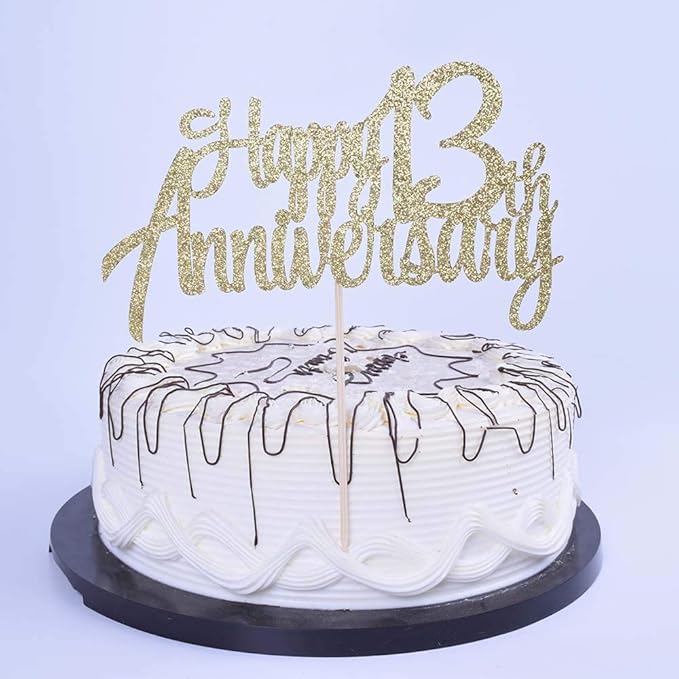
Nepaliaustralian Turns 13!

I can hardly believe it—Nepaliaustralian has officially turned 13! When I first started this blog, social media was just beginning to take off, and I had no idea it would connect me with so many amazing people across the globe.

What began as a simple hobby has grown into an incredible journey. Never in my wildest dreams did I think I’d be writing this 13th-anniversary post! This blog has become my personal way of celebrating Nepali culture, traditions, and the unique experience of being a Nepali living in Australia.

As of today, Nepaliaustralian proudly stands at 1,109 posts, 81 pages, 10,714 comments, 2,506,733 page views, 4,447 followers, and 1,383,135 readers from 230 countries. 🙂

I’m beyond grateful to each and every one of you for your support over these 13 years. Your encouragement, comments, likes, and shares have meant the world to me, and I truly couldn’t have come this far without you. Thank you for listening to my stories, sharing in my journey, and showing so much love to my family.

Please follow me on Instagram! and Please follow me on TikTok to stay updated on my adventures.

Take care,

M from Nepaliaustralian
XOXO
Why Newars Don’t Celebrate Teej?

Teej, a festival celebrated by many Hindu women, has its roots in ancient religious texts. According to legend, King Himalaya promised to marry his daughter Parvati to Lord Vishnu, but Parvati desired Lord Shiva instead. To win his favor, Parvati retreated to the forest, performing severe penance for 100 years without success. One day, she established a Shiva Lingam and fasted without food or water. Moved by her intense devotion, Lord Shiva appeared and granted her wish, leading to their marriage. This event, said to have taken place on the third day of the bright fortnight in the month of Bhadra, became the origin of Teej, celebrated by Hindu women ever since.

However, in Newar culture, the practice of Teej fasting does not apply. This is because Newar women undergo a unique set of marital rituals that set them apart from other Hindu traditions.

The Three Marriages of Newar Women

In the Newar tradition, a woman experiences three symbolic marriages during her lifetime:

  1. Ihi (Bel Marriage): In this ceremony, a young Newar girl marries a Bel fruit (symbolising Lord Suvarna Kumar or Hiranya Garbha). This ritual takes place before the girl reaches puberty and is a highly significant spiritual bond.
  2. Bara Tayegu (Gufa or Surya Darshan): In this second marriage, the girl symbolically marries the Sun during a special ceremony that typically occurs at the onset of her first menstruation. It is believed that this marriage to the Sun protects her from evil forces and ensures her purity.
  3. Marriage to a Man: The third and final marriage is with a human partner when the girl reaches adulthood.

The Significance of Bel and Sun Marriages

The Ihi ceremony, or Bel marriage, is performed with great reverence. The girl fasts and conducts rituals with the Bel fruit, along with a Kalash, Vajra, and Chakra, while her father ceremonially “gives her away.” The marriage is considered complete, and the girl is now symbolically married to Lord Suvarna Kumar.

The Bara Tayegu ceremony, also known as Gufa or Surya Darshan, involves a 12-day seclusion where the girl avoids sunlight, followed by a symbolic marriage to the Sun. This ritual signifies that the girl is now protected by the Sun’s divine energy, keeping her safe from negative influences.

After these sacred ceremonies, Newar women are considered perpetually married to Lord Suvarna Kumar and the Sun, ensuring they will never become widows. Because of these Vedic-Tantric rituals, Newar women are spiritually secure in their marital status, and there is no need for them to fast for the well-being of a future husband or for marital bliss, which is the central premise of Teej.

Why Newar Women Don’t Fast for Teej

Although Newar women are followers of Sanatan Hinduism, their religious practices exempt them from the need to observe the Teej fast. Since they are already symbolically married to Lord Suvarna Kumar through the Ihi ceremony, their marital status is spiritually guaranteed. They will never become widows, and thus, there is no religious requirement to fast for their husband’s long life or marital happiness.

For this reason, Newar women, while deeply embedded in Hindu traditions, do not celebrate Teej in the same way other Hindu women do. Their rituals provide them with a different, yet equally sacred, assurance of marital bliss.

Modern Practices and Changes

In recent times, however, some Newar women have started fasting during Teej, influenced by other Hindu communities. While there is no harm in choosing to observe this fast voluntarily, it is essential to recognise that it is not a religious obligation for Newar women.

Newar women already possess a profound spiritual connection through their unique marital rituals. Therefore, while observing Teej fasting is a personal choice, it’s important to understand that Newar culture provides its own beautiful path to marital fulfilment, without the need for Teej observances.

M from Nepaliaustralian

XOXO

Please follow me on Instagram! and Please follow me on TikTok