Tag Archives: australian

Celebrating Tihar 2024: A Festival of Lights, Love, and Heritage

Tihar, my favourite Nepali festival, has come and gone, leaving behind a glow that warms my heart. Known as the festival of lights, Tihar honours animals, family bonds, and the goddess of wealth, Laxmi. Each day has its own deep meaning, blending spirituality, gratitude, and family love. Living far from Nepal, we’ve found creative ways to keep the spirit of Tihar alive, celebrating these rituals as a bridge to our culture and traditions. Here’s a glimpse into how each day brought us closer to our roots, no matter the miles between us.


Day 1: Kaag Puja – Honoring the Messenger Crow

Tihar begins with Kaag Puja, dedicated to the crow, a symbol of the god Yama’s messenger. Traditionally, we offer food to crows as they’re seen as bearers of news, both good and bad. In Nepal, the sight and sound of crows herald Tihar’s arrival, and this ritual reminds us to respect all forms of life, especially the ones that serve as nature’s messengers.

Here in Australia, I couldn’t find any crows around, so I improvised by using a photo of a crow, setting it up in our home, and offering flowers and sweets. It’s a humble gesture, but it’s also a way to begin the festival with gratitude and respect for life’s simplest messengers.


Day 2: Kukur Puja – Celebrating Man’s Best Friend

Kukur Puja is one of my favourites because it honours dogs, the most loyal and loving animals. In Hindu culture, dogs are seen as guardians, protectors, and friends. On this day, people place a red tika on their dogs’ foreheads, garland them with marigolds, and offer them treats.

I don’t have a dog here, but my family in Nepal has Chhotu, our loyal companion. While I couldn’t be there, I celebrated in spirit by printing his picture, offering a small prayer, and thanking him for watching over my family. It’s a reminder that love transcends distance, even when it comes to our furry friends.


Day 3: Gai Puja and Laxmi Puja – Honouring the Cow and the Goddess of Wealth

Gai Puja is a morning ritual devoted to the cow, a revered animal in Hinduism. Cows represent abundance, nurturing, and sustenance, qualities we cherish. The day begins with offerings of fruits and garlands to cows, showing gratitude for all they give us.

Later, we celebrate Laxmi Puja, dedicated to the goddess of wealth. This is the heart of Tihar, when families light diyos (oil lamps), decorate their homes with rangoli, and prepare for Laxmi’s arrival. In Nepal, a red mud trail is drawn from the doorstep to the altar to welcome Laxmi.

This year, we set up a small altar with a photo of Laxmi and created footprints leading into our home. I added twinkling lights and candles, transforming our space into a sanctuary of warmth and blessings. It’s these small touches that keep Laxmi Puja magical, even far from home.


Day 4: Govardhan Puja and Mha Puja – A Celebration of Self and Community

The fourth day of Tihar, Govardhan Puja, honours the story of Lord Krishna lifting Mount Govardhan to protect his village from a storm. Families create a small mound symbolising the mountain, celebrating nature’s strength and resilience.

For us Newars, this day also marks Mha Puja, a beautiful tradition of self-worship. “Mha” means “body” in the Newar language, and the ritual is about cleansing and honouring oneself as a sacred vessel. We arrange mandaps (small, decorated seats) for each family member, light a diya representing the soul, and offer flowers and grains.

I’m incredibly fortunate to have family here as well, so we were able to celebrate Mha Puja with all the traditional rituals, bringing the spirit of Newar culture to life even far from Nepal. Together, we carefully set up mandaps with grains, fruits, flowers, and oil lamps, making sure every detail echoed our heritage. It was a beautiful opportunity not only to honour the self, as Mha Puja represents, but also to pass down these customs to our kids, who were eager to learn. As we went through each step, I explained the meaning behind the rituals, sharing stories about our ancestors and why we celebrate Mha Puja. The kids loved participating and adding their own touches, making it a fun, memorable day filled with laughter, learning, and togetherness. Celebrating this tradition abroad felt like creating a bridge between generations, where they can appreciate the values we hold dear and, hopefully, carry them forward.

Also on this day we celebrate Nepal Sambat, the traditional Newar New Year, is a significant celebration of Newar culture and heritage. This unique lunar calendar, which traces its roots back to 880 AD, holds deep historical and cultural significance for the Newar community, an indigenous group from the Kathmandu Valley. Nepal Sambat is celebrated with enthusiasm, as it marks not only the New Year but also the enduring spirit of unity and resilience. The Newars, known for their rich art, architecture, and festivals, embrace Nepal Sambat as a time for cultural renewal. During this period, Newar families honour their heritage by participating in rituals, gatherings, and traditional feasts. The celebration of Nepal Sambat exemplifies the vibrant Newar culture, highlighting values of family, community, and continuity, while paying homage to a history of independence and cultural pride.


Day 5: Bhai Tika – Strengthening the Sibling Bond

The last day of Tihar is Bhai Tika, a day to celebrate the bond between brothers and sisters. Sisters place a tika on their brothers’ foreheads, wishing them long life and protection. In return, brothers offer gifts as a symbol of their love and promise to protect their sisters.

I feel incredibly lucky to have my brother here with me to celebrate Bhai Tika, bringing the spirit of Tihar even closer to home. This special day is all about the love, blessings, and lifelong bond we share. Here are some highlights from our celebration – from the tika, tradition garland and masala to exchanging gifts and laughter, every moment felt like a cherished tradition we’ve carried with us.


Deusi-Bhailo Traditions

Traditionally, people celebrate with Deusi and Bhailo, lively songs sung to bless each home in exchange for treats, bringing joy and unity as groups go door-to-door singing.

We’re fortunate to live in a neighborhood that embraces these traditions, filling our celebrations with warmth and connection. Alongside all the delicious feasting, we were blessed to be part of a community where Deusi-Bhailo thrives.

This year, we had groups of seniors, adults, and children stopping by to play Deusi-Bhailo, filling our home with song, laughter, and festive spirit.


Wishing everyone celebrating Nepal Sambat a joyous and prosperous new year! Tihar reminds me that home is wherever our heart and traditions are, and no matter how far we go, we carry these festivals with us. Here’s to another year filled with light, love, and togetherness.

Please follow me on Instagram! and Please follow me on TikTok to stay updated on my adventures.

Take care,

M from Nepaliaustralian
XOXO

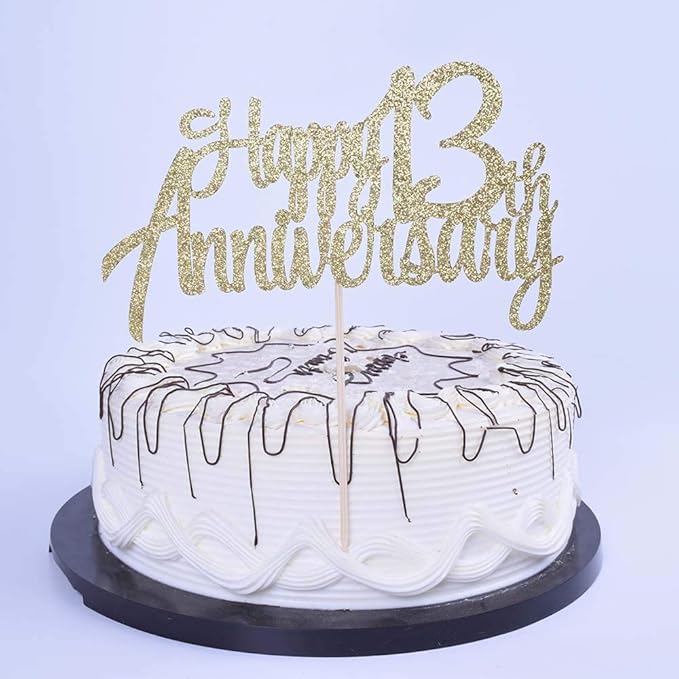
Nepaliaustralian Turns 13!

I can hardly believe it—Nepaliaustralian has officially turned 13! When I first started this blog, social media was just beginning to take off, and I had no idea it would connect me with so many amazing people across the globe.

What began as a simple hobby has grown into an incredible journey. Never in my wildest dreams did I think I’d be writing this 13th-anniversary post! This blog has become my personal way of celebrating Nepali culture, traditions, and the unique experience of being a Nepali living in Australia.

As of today, Nepaliaustralian proudly stands at 1,109 posts, 81 pages, 10,714 comments, 2,506,733 page views, 4,447 followers, and 1,383,135 readers from 230 countries. 🙂

I’m beyond grateful to each and every one of you for your support over these 13 years. Your encouragement, comments, likes, and shares have meant the world to me, and I truly couldn’t have come this far without you. Thank you for listening to my stories, sharing in my journey, and showing so much love to my family.

Please follow me on Instagram! and Please follow me on TikTok to stay updated on my adventures.

Take care,

M from Nepaliaustralian
XOXO
Why Newars Don’t Celebrate Teej?

Teej, a festival celebrated by many Hindu women, has its roots in ancient religious texts. According to legend, King Himalaya promised to marry his daughter Parvati to Lord Vishnu, but Parvati desired Lord Shiva instead. To win his favor, Parvati retreated to the forest, performing severe penance for 100 years without success. One day, she established a Shiva Lingam and fasted without food or water. Moved by her intense devotion, Lord Shiva appeared and granted her wish, leading to their marriage. This event, said to have taken place on the third day of the bright fortnight in the month of Bhadra, became the origin of Teej, celebrated by Hindu women ever since.

However, in Newar culture, the practice of Teej fasting does not apply. This is because Newar women undergo a unique set of marital rituals that set them apart from other Hindu traditions.

The Three Marriages of Newar Women

In the Newar tradition, a woman experiences three symbolic marriages during her lifetime:

  1. Ihi (Bel Marriage): In this ceremony, a young Newar girl marries a Bel fruit (symbolising Lord Suvarna Kumar or Hiranya Garbha). This ritual takes place before the girl reaches puberty and is a highly significant spiritual bond.
  2. Bara Tayegu (Gufa or Surya Darshan): In this second marriage, the girl symbolically marries the Sun during a special ceremony that typically occurs at the onset of her first menstruation. It is believed that this marriage to the Sun protects her from evil forces and ensures her purity.
  3. Marriage to a Man: The third and final marriage is with a human partner when the girl reaches adulthood.

The Significance of Bel and Sun Marriages

The Ihi ceremony, or Bel marriage, is performed with great reverence. The girl fasts and conducts rituals with the Bel fruit, along with a Kalash, Vajra, and Chakra, while her father ceremonially “gives her away.” The marriage is considered complete, and the girl is now symbolically married to Lord Suvarna Kumar.

The Bara Tayegu ceremony, also known as Gufa or Surya Darshan, involves a 12-day seclusion where the girl avoids sunlight, followed by a symbolic marriage to the Sun. This ritual signifies that the girl is now protected by the Sun’s divine energy, keeping her safe from negative influences.

After these sacred ceremonies, Newar women are considered perpetually married to Lord Suvarna Kumar and the Sun, ensuring they will never become widows. Because of these Vedic-Tantric rituals, Newar women are spiritually secure in their marital status, and there is no need for them to fast for the well-being of a future husband or for marital bliss, which is the central premise of Teej.

Why Newar Women Don’t Fast for Teej

Although Newar women are followers of Sanatan Hinduism, their religious practices exempt them from the need to observe the Teej fast. Since they are already symbolically married to Lord Suvarna Kumar through the Ihi ceremony, their marital status is spiritually guaranteed. They will never become widows, and thus, there is no religious requirement to fast for their husband’s long life or marital happiness.

For this reason, Newar women, while deeply embedded in Hindu traditions, do not celebrate Teej in the same way other Hindu women do. Their rituals provide them with a different, yet equally sacred, assurance of marital bliss.

Modern Practices and Changes

In recent times, however, some Newar women have started fasting during Teej, influenced by other Hindu communities. While there is no harm in choosing to observe this fast voluntarily, it is essential to recognise that it is not a religious obligation for Newar women.

Newar women already possess a profound spiritual connection through their unique marital rituals. Therefore, while observing Teej fasting is a personal choice, it’s important to understand that Newar culture provides its own beautiful path to marital fulfilment, without the need for Teej observances.

M from Nepaliaustralian

XOXO

Please follow me on Instagram! and Please follow me on TikTok

Teej Celebration

Today marks the celebration of Teej, a festival cherished by Hindu women in Nepal. Observed on the 3rd day of Bhadra Shukla Paksha (as per the Nepali lunar calendar), Teej typically falls in late August or early September. This year, the Fasting day coincides with today. Though I am from the Newar community, where Teej is not traditionally celebrated, I love participating in the festivities here in Sydney with my friends.

Teej is a significant occasion where women fast to seek marital bliss, the well-being of their spouses and children, and purification of both body and soul. Married women fast for their husband’s long life, prosperity, and a strong, enduring bond that transcends not only this life but all lives to come. Unmarried women, on the other hand, pray for an ideal husband. Fasting is observed by most women and girls who have reached puberty, unless they are unwell or physically unable.

In Nepal, Teej is celebrated over four days, each holding its own special meaning:

  • The First Day (Dar Khane Din): A day of feasting and celebration.
  • The Second Day: The main fasting day.
  • The Third Day: A day of purification.
  • The Fourth Day (Rishi Panchami): A day dedicated to honoring the seven sages, or Rishis.

Dar Khane Din

The first day of Teej is known as “Dar Khane Din.” On this day, women dress in their finest attire and gather together to celebrate. Most wear red or dark pink saris, adorned with traditional pote (glass bead necklaces), chura (bangles), and gold jewelry. Some even apply intricate henna designs on their hands. The day is filled with joyous singing, dancing, and a grand feast that often continues until midnight, after which the 24-hour fast begins.

In Sydney, we celebrate Dar Khane Din by each preparing a dish and gathering at one house. We dance, sing, and enjoy dinner together. While most of us don’t fast, it’s a wonderful opportunity to wear saris, accessorise with jewellery, and have fun with friends. I really look forward to this day each year.

Fasting Day

The second day of Teej is the official fasting day. Many women abstain from both food and water for the entire day, while others take liquids and fruits, praying for their husband’s long life. This day is crucial in the Teej celebrations, as women dedicate their day to prayers and puja (worship).

In Nepal, the holy Pashupatinath temple becomes a focal point during Teej, with thousands of women in red saris offering their prayers to Lord Shiva. Women gather to perform puja to Lord Shiva and Goddess Parvati, offering flowers, sweets, and coins. A significant aspect of the puja ceremony is the lighting of an oil lamp, which must be kept burning throughout the night to ward off evil.

Purification Day

The third day of Teej is dedicated to purification. After fasting, women bathe and purify themselves with rituals that are intended to cleanse both the body and the soul. They often gather at temples, continuing their prayers to Lord Shiva. This day symbolises the renewal of the mind, body, and spirit, and it marks the conclusion of the fast. The rituals on this day bring a sense of serenity and peace, completing the process of spiritual renewal.

Rishi Panchami

The fourth and final day of Teej is called Rishi Panchami, a day devoted to honouring the seven great sages, or Rishis. On this day, women perform special rituals and pujas to seek forgiveness for any sins, especially those committed unknowingly during menstruation. It is a day of atonement and reverence for the wisdom of the Rishis. Women also take a ritual bath, symbolising purification, and offer their respect to the earth and nature. This day concludes the Teej festival with a focus on spiritual cleanliness and reverence for ancient traditions.

To everyone celebrating Teej today, I wish you a joyful and blessed day! May it bring you happiness, good health, and cherished memories.

M from Nepaliaustralian

XOXO

Please follow me on Instagram! and Please follow me on TikTok

Easy Burfi (Milk Cake ) recipe

Ingredients:

  • 150 ml condensed milk
  • 3 cups full cream milk powder
  • 1 cup full cream milk
  • 1 tablespoon crushed pistachios (plus extra for garnish)
  • 1 teaspoon cardamom powder
  • 1/2 tablespoon ghee
  • Optional: Crushed almonds for garnish

Instructions:

  • In a large mixing bowl, combine the full cream milk powder and full cream milk. Whisk until the mixture is smooth and free of lumps.
  • Gradually add the condensed milk while continuing to whisk. Ensure the mixture is well-blended and has a consistent texture.
  • Sprinkle in the cardamom powder and mix thoroughly to evenly distribute the flavour.
  • Heat a heavy-bottomed pan on low heat and add the ghee. Allow it to melt and coat the pan evenly.
  • Pour the milk mixture into the pan and start cooking on low heat. Stir the mixture continuously with a spatula to prevent it from sticking to the bottom or forming lumps.
  • Cook the mixture slowly, allowing it to thicken gradually. The key is to maintain a low temperature and consistent stirring, which will give the burfi a smooth and creamy texture.
  • As the mixture thickens and starts to pull away from the sides of the pan, continue cooking until it reaches a dough-like consistency. This will take about 10-15 minutes.
  • Once the mixture has thickened to the right consistency, remove it from the heat.
  • Prepare a cake pan or a square dish by lining it with baking paper. Grease the paper lightly with ghee to prevent sticking.
  • Pour the cooked mixture into the prepared pan. Use a spatula to spread it evenly and smooth the surface.
  • While the mixture is still warm, sprinkle the crushed pistachios (and almonds, if using) on top. Press them gently into the surface with the back of a spoon.
  • Allow the burfi to cool at room temperature for about 30 minutes. Then, place it in the refrigerator for 2-3 hours to set completely.
  • Once the burfi has set, remove it from the pan by lifting the baking paper. Cut it into squares or your desired shape.
  • Garnish with extra pistachios or a dusting of cardamom powder for an added touch.
  • Tips for the Best Milk Cake:
  • Use high-quality milk powder for a richer taste.
  • Ensure that the heat is kept low throughout the cooking process to avoid burning.
  • For an extra indulgent flavour, you can add a few drops of rose water or saffron strands while cooking the mixture.

Enjoy this deliciously rich and aromatic Burfi that melts in your mouth!

M from Nepaliaustralian

XOXO

Please follow me on Instagram! and Please follow me on TikTok