Tag Archives: hindu women

Happy Sharwan Sankranti

Shrawan, the fourth month in the Nepali Hindu calendar, is steeped in religious and cultural significance. This month is considered the holiest for Hindus, with rituals and traditions that embody devotion, purification, and the deep connection between the divine and human realms.

The word “Sankranti” in the context of Shrawan Sankranti refers to the Sun’s transition from one Rashi (zodiac sign in Nepali astrology) to another, signaling the beginning of a new Nepali month. Specifically, Shrawan Sankranti marks the Sun’s southward journey, an event that is both astronomically and spiritually important.

From the very first day of Shrawan (which fell on July 17 this year), social media and public spaces alike are vibrant with images of women adorned in mehendi (henna) and green and yellow chura (bangles). These colors are not just for beauty; they symbolise fertility, prosperity, and the health of their families. The entire month is dedicated to these rituals, with Mondays, or Shrawan Somvars, being particularly significant. Each Shrawan Somvar, devotees flock to Shiva temples, fasting and offering prayers to Lord Shiva, the god of destruction and transformation.
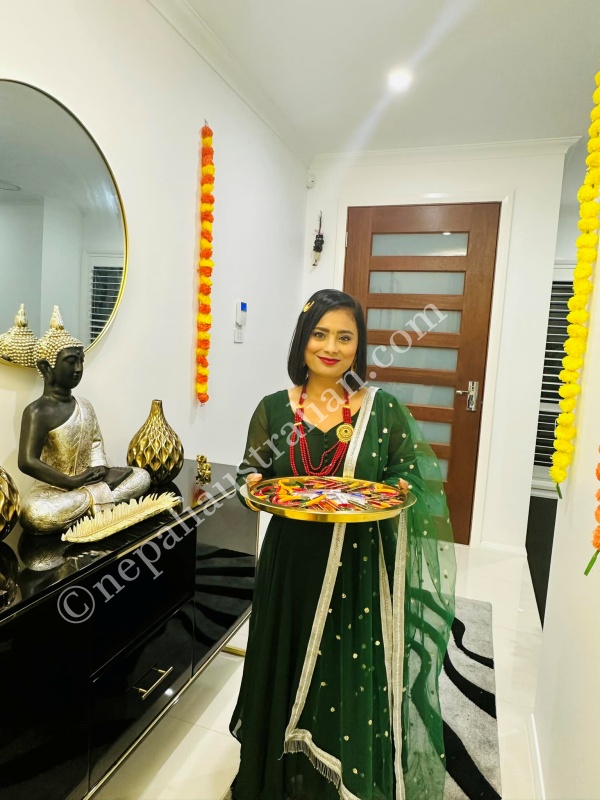
Shrawan’s importance is deeply rooted in Hindu mythology. It is said that Sati Devi, in her previous birth, vowed to have Mahadev (Lord Shiva) as her husband in every lifetime. After her death, she was reborn as Parvati, who fasted and prayed throughout the month of Shrawan, eventually winning Shiva’s heart and becoming his consort. This story is why Shrawan is so sacred and why women, especially, dedicate this month to worshiping Lord Shiva, seeking his blessings for marital bliss and familial prosperity.

Throughout Shrawan, married women wear red attire complemented by green and yellow glass bangles, along with green pote (glass beads) around their necks. These adornments are more than just accessories; they are symbols of devotion and prayers for the long life and well-being of their husbands. For unmarried girls, wearing these bangles during Shrawan is a hopeful gesture, symbolising their wish for a good husband and a happy marriage.

The spiritual fervour of Shrawan is also evident in the Bol Bam pilgrimage. Devotees undertake this challenging journey, walking or running barefoot, often covering great distances to reach the Pashupatinath Temple and other Shiva temples. Along the way, they chant ‘Bol Bam,’ which means “Say Shiva,” as a form of devotion and penance. The pilgrimage is believed to bring blessings, good health, wealth, and happiness to the devotees and their families.

In addition to these rituals, Shrawan is also a time for various religious festivals and fasts. One of the most celebrated festivals during this month is Nag Panchami, where snakes are worshiped as protectors and symbols of fertility. Devotees offer milk, rice, and flowers to snake idols or real snakes, seeking their protection and blessings.

The month is also associated with the practice of fasting, especially by women. Mondays are often observed with strict fasting, where women consume only water or fruits and spend the day in prayer, reciting mantras dedicated to Lord Shiva. These fasts are believed to purify the body and soul, bringing spiritual merit and the fulfillment of desires.

Shrawan is a time when the monsoon season is at its peak in Nepal. The heavy rains are seen as blessings from the gods, nourishing the earth and bringing fertility to the land. This natural abundance is mirrored in the cultural practices of the month, where green, representing life and growth, becomes a dominant color in clothing and decorations.

The vibrancy of Shrawan is not just limited to religious practices but extends to social and familial gatherings. Communities come together to celebrate, share meals, and participate in collective prayers. The month fosters a sense of unity and continuity, as age-old traditions are passed down and kept alive by the younger generations.

Shrawan is a beautiful blend of devotion, tradition, and nature, encapsulating the spiritual essence of Hindu culture. The month is not just about rituals but about reconnecting with one’s roots, honoring the divine, and celebrating the eternal cycle of life.
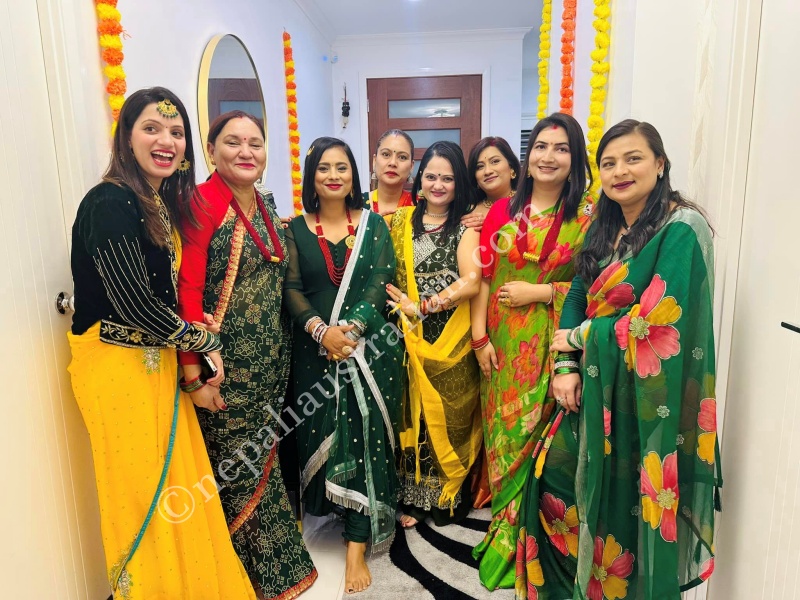
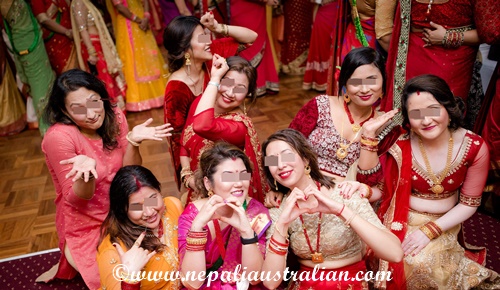
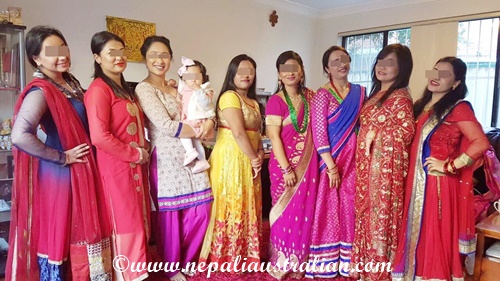
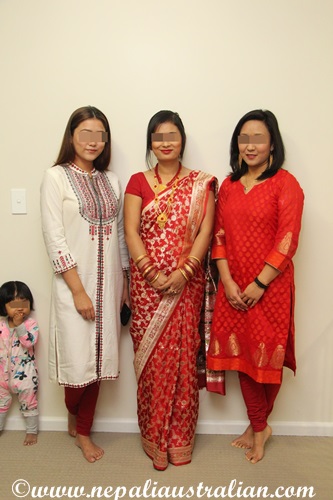
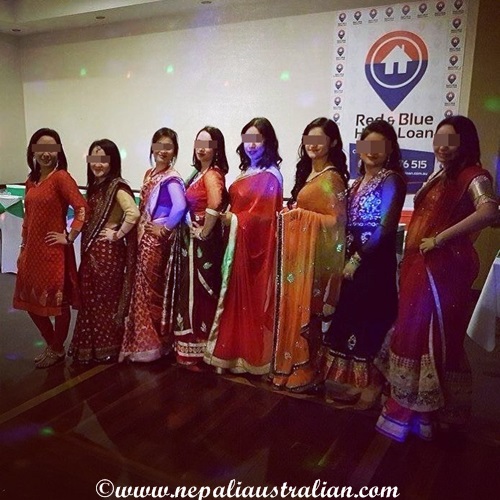
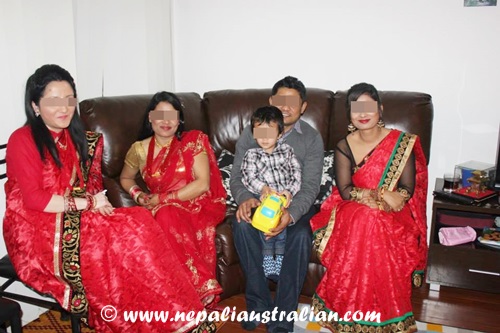
I am fortunate enough to celebrate this beautiful tradition with my friends here in Australia. Being able to partake in the customs and rituals of Shrawan, even far from home, is a blessing that fills me with joy and a deep sense of connection to my culture. The laughter, the shared stories, and the collective prayers made the experience truly special. It was so much fun to immerse myself in this vibrant tradition, and it’s heartwarming to see our cultural practices thriving across the world. Celebrating Shrawan here reminds me that no matter where we are, our traditions keep us connected to our roots and to each other.

Wishing you all a blessed and joyous Shrawan!

Take care, everyone!

XOXO

M from NepaliAustralian

Happy Teej 2017

Today is one of the biggest celebration for Nepali women. Teej, a day when women fast for the whole day for marital bliss, well-being of their spouse and children and purification of their own body and soul. Married women fast for their husband’s long life, prosperity, and long and strong relationship between them in this life and all the lives to come. While the unmarried pray for the perfect husband. Unless someone is ill or physically unfit, fasting is followed by women and girls who have reached puberty.

Please click here if you want to know more about the festival.

  • To celebrate the day I get together with my friends and family and enjoy the food, fun and dancing.

  1. Last week I went to an organized celebration where we had so much fun.

I went there with a group of my friends and we had the time of our life with laughter, dance and so much fun. AS was nice enough to look after Chhori that day so I had a great evening with my girl friends. 

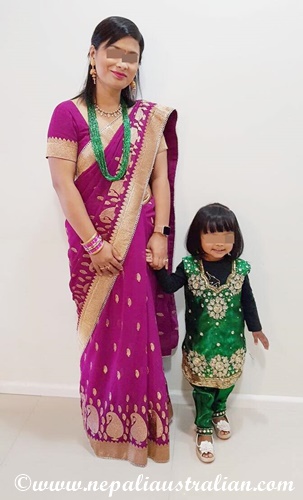
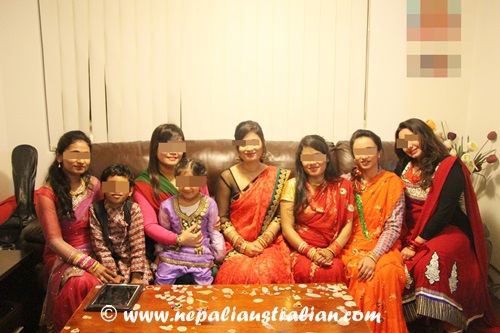
Then on the weekend, we celebrated Teej at our friend’s place. I dressed up in traditional Nepali dress and Chhori also enjoyed wearing her kurta.

I baked a cake for the occasion and everyone contributed towards the food. 


We had a great time eating, dancing, laughing and having fun. Chhori also enjoyed in her own way 🙂


Wishing Happy Teej to all of you out there celebrating. Have a great time and enjoy your day.

Take care everyone,

M from nepaliaustralian
XOXO

Teej 2016 with Chhori and mum

Yesterday was Teej, a day when woman fast for the whole day for marital bliss, well-being of their spouse and children and purification of their own body and soul. Married women fast for their husband’s long life, prosperity and long and strong relationship between them until death in this life and all the lives to come, while the unmarried pray for the perfect husband. Unless someone is ill or physically unfit, fasting is followed by women and girls who have reached puberty.

Please click here if you want to know more about the festival.

teej (4)

Like every year, we celebrated Teej with lots of food and dancing but this year Teej was extra special for me because my mum is here with us.

teej (11)

Chhori has started enjoying and understanding celebrations too. She loves to be around people and wants to dance when the music is on. I am hoping she will be interested in Nepali culture and traditions in future when she has an understanding of their importance.

teej (9)

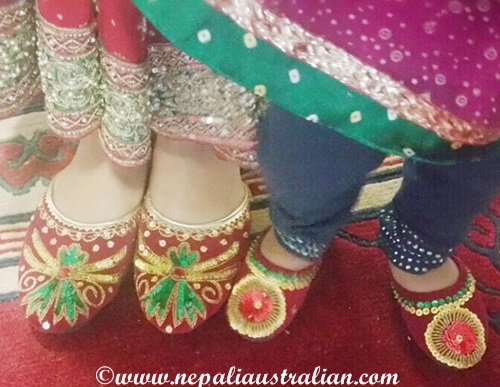
For the first time, I dressed Chhori in Kurta and Nepali chapal (Nepali velvet sandles) with chura (metal bangles). I know I am biased but I think she looked so cute in the traditional outfit.

teej (10)

And look our matching chapals, loved them.

teej (6)

I also dressed up in the traditional red outfit. The first celebration, we had was at my friend’s house. I baked a cake for the occasion and everyone contributed toward the food. We had a great time eating, dancing, laughing and having fun. Chhori also enjoyed in her own way :).

teej (1) teej (3)

Then on Saturday, we went to a Teej celebration program organised by Nepali committees.

teej (2)

Photobombed by Chhori 🙂

 We dressed up again and enjoyed the celebration with hundreds of other ladies dancing and enjoying the yummy food.

teej (7)

Wishing Happy Teej to all of you out there celebrating . Have a great time and enjoy your day.

Take care everyone,

M from nepaliaustralian
XOXO

Celebrating Teej

Today is Teej, the festival for women in Nepal and is celebrated by most Hindu women on the 3rd day of Bhadra Sukala Paksha (according to Nepali lunar calendar). It generally falls in late August or early September. This year the Fasting day has fallen on today. I am from Newar cast so even though we are Hindu we don’t celebrate Teej but I still join Teej celebration in Sydney with my friends.

Teej (2)

Teej is a day when woman fast for the whole day for marital bliss, well-being of their spouse and children and purification of their own body and soul. Married women fast for their husband’s long life, prosperity and long and strong relationship between them until death in this life and all the lives to come, while the unmarried pray for the perfect husband. Unless one is ill or physically unfit, fasting is followed by women and girls who have reached puberty.

Teej (7)

Teej is a four-day-long festival in Nepal and each day has its own significance.

  • First day is called ‘Dar Khane Din‘, the day to make merry.
  • The Second day is a fasting day.
  • The third day is purification day.
  • The fourth day is ‘Rishi Panchami‘.

Please read more about it here and here.

I wore my new red sari and tried my best to look like an authentic Nepalese woman with chura and tika and join my friends and family for an evening of fun.

Teej (3)

Like every year, we celebrated Teej last Saturday with Dar, lots of yummy foods, dance, songs and lots of fun.

Teej (8) Teej (5) Teej (11)

Sharing some of the photos from the day.

Teej (9) Teej (6)Teej (1)

Wishing Happy Teej to all of you out there celebrating today. Have a great time and enjoy your day.

Teej (4) Teej (10)Take care!

M from nepaliaustralian

XOXO

Sharwan Sankranti

Shrawan is the fourth month in the Nepali Hindu calendar. The word Sankranti means transmigration of the Sun from one Rashi (zodiac in Nepali astrology) to another and is also the beginning of the Nepali months. The day when the sun begins to move southwards is called Shrawan Sankranti.

My Facebook wall is painted with my friends’ photos with mehendi (henna ) and green and yellow chura (bangles) on their hands from the 1st of the Sharwan (17 July).

Shrawan month is considered as the holiest month of the year for Hindus and each Somvar (Monday) of this month known as Shrawan Somvar is a special day in Shiva temples. For women this month is all about Mehendi (henna tattoos) and green/yellow chura.

According to a legend, Sanat Kumar asked lord Shiva why Shravan Monday is his favourite day. So lord Shiva Mahadev told him that Sati devi did Sankalpa that to get Mahadev as husband in every birth before her spirit left her body in her father’s house with the power of Yoga. In another of her births, Sati devi took birth in Himachal as Parvathi as the daughter of Queen Menka. Parvati fasted the whole month of Shravan and pleased Mahadev and so was married to him. Due to these reasons it is regarded as the main month for worshiping Lord Mahadev.

During this month Hindu women wear red attire with green and yellow bangles, pray for the long and prosperous life for their husbands. For married women, along with green/yellow glass bangles on their wrists, they also wear strings of green pote (glass beads) around their necks. It is believed that green glass bangles are worn for fulfilling one’s desires and wishing a happy and prosperous life to families.

On the other hand, unmarried girls of marriageable age also wear bangles in hopes of getting a handsome guy, and for those who already have boyfriends, making them husbands.

In addition, women perform rituals for Lord Shiva, the god of destruction, at the Pashupati temple and other Shiva temples like in Makhan, Hanuman Dhoka in Kathmandu, capital of Nepal.

Another important facet of Sharwan month is “Bol Bam” pilgrimage. Thousands of devotees visit the Bol Bam Dham, a pilgrimage to offer their worship to Lord Shiva. The pilgrims shout ‘Bol Bam’ or ‘Bol Bam’ meaning ‘Say Shiva’ during the pilgrimage. The devotees run or walk barefooted for kilometers to reach the Pashupatinath Temple for their good health, wealth and happiness.

It looks like everyone is excited to follow the tradition, both young and old, who paint their hands and wear green/yellow chura. I am so glad that everyone is excited on this month and is helping save the tradition and culture.

Happy Sharwan Sankranti !!!

Take care everyone!

XOXO

M from nepaliaustralian

You may also like:

*Bhai Tika : Tihar *Vijaya Dashami : Dashain *Indra Jatra