The last few days have been a whirlwind of fun, family, and festivities as we’ve been busy celebrating Dashain, one of the most cherished festivals in our culture. It’s always a time of togetherness, where we come together with friends and family to share joy, laughter, and of course, delicious food!
From Tika and Jamara to playing cards and eating delicious food, the spirit of Dashain has been in full swing. We’ve enjoyed the beautiful rituals, reconnected with family, and created unforgettable memories. Here are some glimpses of our celebrations – filled with love, blessings, and happiness.
Dashain is here! The air is filled with excitement, nostalgia, and the promise of family gatherings, food, and festivities. Yesterday marked Ghatasthapana, the first day of Dashain, which sets the tone for the next 15 days of celebration. In households across Nepal—and for Nepali communities around the globe—this day is sacred. It’s the day we plant Jamara, those sprouting yellow-green shoots that symbolize prosperity and blessings.
But what makes Dashain so special?
For starters, it’s not just any festival. Dashain is Nepal’s biggest and longest Hindu festival, celebrated for 15 glorious days of tradition, reunions, and cultural pride. From Ghatasthapana to the grand finale on Vijaya Dashami, it’s a time when families gather, share meals, exchange blessings, and honour the victory of good over evil.
So, if you’re new to Dashain or just looking to rekindle that festive spirit, here’s a peek into why we cherish this time of year!
The Legends Behind Dashain: Why It’s More Than Just a Festival
Dashain is steeped in legends and Hindu mythology. According to one tale, it’s the story of Ram—the hero who defeated the demon king Ravana after nine days of prayer and worshipping Goddess Durga. The tenth day, Dashami, marks Ram’s victory, symbolizing the triumph of good over evil.
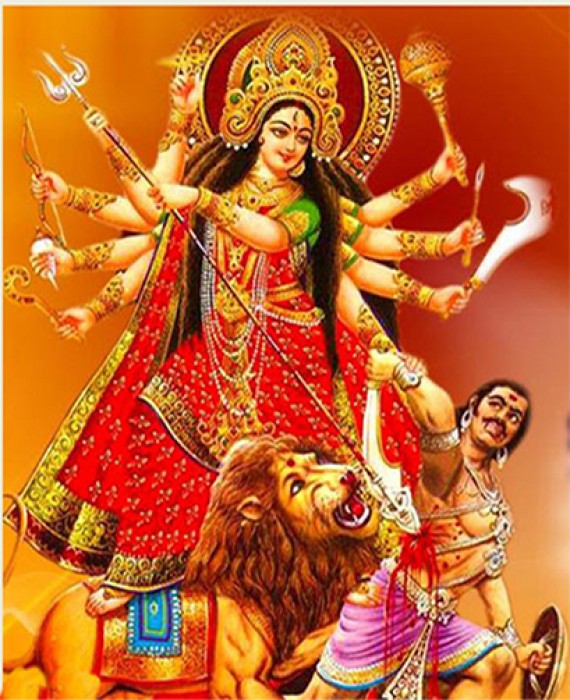
Another tale revolves around Mahishasura, the fearsome demon who terrorized both Earth and Heaven. The gods created Durga, the powerful goddess who battled Mahishasura for nine long days. On the tenth day, Durga slew the demon, marking the day of victory—Vijaya Dashami.
These stories remind us that no matter how challenging life gets, good will always prevail. And that’s why we place tika (a red vermilion paste mixed with rice and yogurt) on our foreheads during Dashain—it’s a blessing for victory, strength, and resilience in the coming year.
Day 1: Ghatasthapana – Planting Jamara, Growing Prosperity
Ghatasthapana (literally meaning “pot establishment”) marks the official start of Dashain. This is the day we plant Jamara—the sacred barley seeds that we lovingly water and nurture for the next ten days. These delicate sprouts will grow to represent blessings, and we use them on Vijaya Dashami for the tika ceremony.
I planted my Jamara yesterday. It’s always a special moment for me—preparing the soil, sowing the seeds, and knowing that in 10 days, those golden-green shoots will be ready for the most important ritual of Dashain. I can’t wait to see how well they grow this year!
Dashain Activities: Where Tradition Meets Fun
What makes Dashain feel so magical is the blend of deep-rooted traditions with simple pleasures. Here are some of the most exciting things we look forward to every Dashain:
1. Kite Flying
As soon as Dashain kicks off, the skies in Nepal fill with colorful kites—each one carrying the message that the monsoon season is over. I have fond memories of rooftop kite battles with my brothers, shouting “Changa Chet!” (which means “kite cut!”) every time we managed to down someone else’s kite. It’s a playful battle that I miss every year.
2. Family Card Games
I can’t talk about Dashain without mentioning the card games! Even though gambling is technically illegal in Nepal, Dashain is an exception. Families gather around with cards, placing small bets (or just playing for fun!). I used to love sneaking into the grown-ups’ game as a kid, hoping to win a few coins.
3. Shopping for New Clothes
Dashain is the time for new clothes! For many families, this is the only time of the year when they can afford new outfits. Shops across Nepal offer crazy discounts, and it’s a rush of excitement as everyone prepares for the festival. I treated myself to a new dress this weekend—because who doesn’t love a reason to shop, right?
4. Bamboo Swings (Ping)
In the countryside, you’ll find bamboo swings constructed just before Dashain. These aren’t your average playground swings either—they’re towering structures that often go 20 feet high! Swinging on a ping is a thrill, and for many, it’s a must-do every year.
The Sweet Chaos: Fairs, Concerts, and Food!
Dashain isn’t just about rituals; it’s also about fun and celebration! Throughout Nepal, you’ll find fairs, concerts, and dashain melas (markets) popping up in towns and cities. These events bring people together for a bit of light-hearted fun—think Ferris wheels, local snacks, and live performances.
And then there’s the food! The streets fill with the smell of fried treats, freshly made sel roti (a traditional rice doughnut), and crispy chatpate (Nepal’s beloved street food). It’s the time to indulge, because Dashain only comes once a year!
Happy Dashain, everyone!
Here are the posts I have written regarding Dashian over the years .
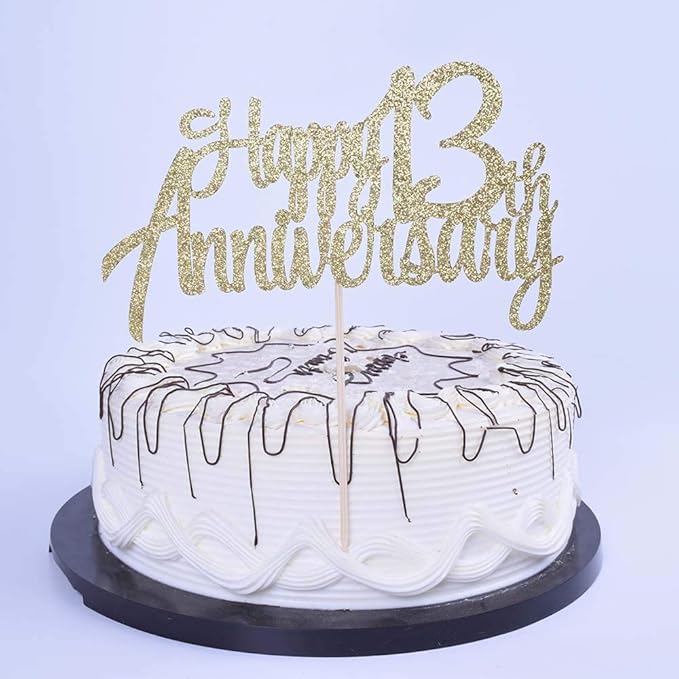
I can hardly believe it—Nepaliaustralian has officially turned 13! When I first started this blog, social media was just beginning to take off, and I had no idea it would connect me with so many amazing people across the globe.
What began as a simple hobby has grown into an incredible journey. Never in my wildest dreams did I think I’d be writing this 13th-anniversary post! This blog has become my personal way of celebrating Nepali culture, traditions, and the unique experience of being a Nepali living in Australia.
As of today, Nepaliaustralian proudly stands at 1,109 posts, 81 pages, 10,714 comments, 2,506,733 page views, 4,447 followers, and 1,383,135 readers from 230 countries. 🙂
I’m beyond grateful to each and every one of you for your support over these 13 years. Your encouragement, comments, likes, and shares have meant the world to me, and I truly couldn’t have come this far without you. Thank you for listening to my stories, sharing in my journey, and showing so much love to my family.
1 tablespoon crushed pistachios (plus extra for garnish)
1 teaspoon cardamom powder
1/2 tablespoon ghee
Optional: Crushed almonds for garnish
Instructions:
In a large mixing bowl, combine the full cream milk powder and full cream milk. Whisk until the mixture is smooth and free of lumps.
Gradually add the condensed milk while continuing to whisk. Ensure the mixture is well-blended and has a consistent texture.
Sprinkle in the cardamom powder and mix thoroughly to evenly distribute the flavour.
Heat a heavy-bottomed pan on low heat and add the ghee. Allow it to melt and coat the pan evenly.
Pour the milk mixture into the pan and start cooking on low heat. Stir the mixture continuously with a spatula to prevent it from sticking to the bottom or forming lumps.
Cook the mixture slowly, allowing it to thicken gradually. The key is to maintain a low temperature and consistent stirring, which will give the burfi a smooth and creamy texture.
As the mixture thickens and starts to pull away from the sides of the pan, continue cooking until it reaches a dough-like consistency. This will take about 10-15 minutes.
Once the mixture has thickened to the right consistency, remove it from the heat.
Prepare a cake pan or a square dish by lining it with baking paper. Grease the paper lightly with ghee to prevent sticking.
Pour the cooked mixture into the prepared pan. Use a spatula to spread it evenly and smooth the surface.
While the mixture is still warm, sprinkle the crushed pistachios (and almonds, if using) on top. Press them gently into the surface with the back of a spoon.
Allow the burfi to cool at room temperature for about 30 minutes. Then, place it in the refrigerator for 2-3 hours to set completely.
Once the burfi has set, remove it from the pan by lifting the baking paper. Cut it into squares or your desired shape.
Garnish with extra pistachios or a dusting of cardamom powder for an added touch.
Tips for the Best Milk Cake:
Use high-quality milk powder for a richer taste.
Ensure that the heat is kept low throughout the cooking process to avoid burning.
For an extra indulgent flavour, you can add a few drops of rose water or saffron strands while cooking the mixture.
Enjoy this deliciously rich and aromatic Burfi that melts in your mouth!


















 nepaliaustralian