Kushe Aushi (Nepali Father’s Day)

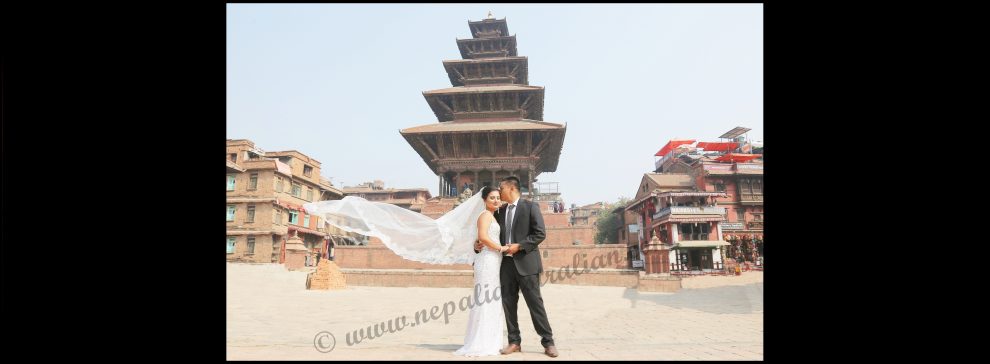
Yesterday marked Kushe Aushi in Nepal, known as Nepali Father’s Day. The day gets its name from “Kush,” a sacred grass traditionally brought home on this no-moon day, or Aushi, hence the name Kushe Aushi.

As I’ve shared in previous posts, Nepal follows a different calendar than the Gregorian one, so Father’s Day in Nepal falls on a different date than in the Western world. In Australia, Father’s Day is celebrated on the first Sunday of September, but in Nepal, the date shifts each year based on the lunar calendar. In Nepal, this day is affectionately known as “Buwa ko Mukh Herne,” which translates to “looking at father’s face.”

Both of my parents have lost their fathers, so each year on Father’s Day, they observe the custom of “sida daan,” a sacred offering made to a priest. Sida is a holy mixture of rice grains, other pure foods, and a set of clothes. Early in the morning, after a ritual bath, they visit the priest to offer the sida. Across Nepal, Hindus whose fathers have passed away gather at Gokarneswar Mahadev Temple on this day to worship, take holy dips, and make offerings. Many also perform “Sraddha” or “pinda daan” for their deceased fathers, whether at home, by a river, or at a sacred site.

The tradition of ancestor worship at Gokarna is steeped in mythology. It is said that in ancient times, Lord Shiva disguised himself as a one-horned golden deer and hid in the Pashupatinath forest. To save the world from suffering, Lord Vishnu, Lord Brahma, and Lord Indra eventually uncovered his disguise. When they captured the deer by its horn, it shattered, revealing Shiva. He then instructed the gods to place his horn in their respective realms. Vishnu enshrined his part in Vaikuntha, Indra in heaven, and Brahma at the sacred site of Gokarneshwor, establishing the tradition that continues today.

This year, we’re celebrating Father’s Day back to back, first with the Australian way and then the Nepali tradition one. Today, our family observed Nepali Father’s Day with the ritual of tika and Sagun, a moment that always feels special. But this year, it was even more meaningful. Watching Chhori confidently perform the puja on her own filled me with pride, and Chhora’s eagerness to learn every detail brought a deep sense of fulfilment. It’s incredibly rewarding to see our efforts to teach them about Nepali traditions paying off, as they’re not only participating but also developing a genuine curiosity about our rich heritage. These small steps we take to preserve our culture are creating lasting memories and a stronger connection to their roots.

M from Nepaliaustralian

XOXO

Please follow me on Instagram! and Please follow me on TikTok

Celebrating Australian Father’s Day

On Sunday we celebrated Australian Father’s Day filled with gratitude, love, and appreciation for the person who gives us unconditional love and unwavering support. In our household, we’ve nurtured a heartwarming tradition of celebrating this special day by pampering the father of the house with a lovingly prepared breakfast in bed.

The morning began with the delightful aroma of pancakes cooking on the stove. As the batter sizzled and turned golden, the kids eagerly jumped in to help. My little one took great care in cutting strawberries into heart shapes—a sweet touch that added a special, personalised element to the breakfast. It’s these small acts of love that make our tradition so meaningful.

Once the pancakes were perfectly stacked, we began decorating them with the heart-shaped strawberries, a handful of marshmallows, and a drizzle of rich chocolate. The kids couldn’t contain their excitement as they added the final touch—a generous swirl of whipped cream. The result was a beautiful and delicious creation, brimming with love and thoughtfulness.

We carefully arranged everything on a tray, adding the final touches—handmade cards and thoughtful gifts that the kids had brought home from school. With the tray ready, we quietly tiptoed to the bedroom, where the anticipation was building. The kids could hardly wait to surprise him!

As we entered the room, the look on AS’s face was priceless. The kids beamed with pride as they read their heartfelt messages aloud, each one filled with love, gratitude, and a touch of humour. They eagerly explained each gift, recounting how they made or chose them with their dad in mind. The joy and laughter that filled the room at that moment were truly priceless.

He then enjoyed his breakfast, savouring each bite as the kids hovered around him, eager to hear his thoughts on their culinary masterpiece. It’s moments like these that make this tradition so special seeing the joy in his eyes and the excitement in the kids as they come together to celebrate someone so important in our lives.

Keeping this tradition alive year after year fills our hearts with happiness and creates memories that we will cherish forever. I’m grateful that we can take this day to spoil the man who spends every day spoiling us with his love, care, and endless support.

To all the dads out there, Happy Father’s Day! May your day be as special and as filled with love as the one we’ve celebrated today.

M from Nepaliaustralian

XOXO

Please follow me on Instagram! and Please follow me on TikTok


Aloo Paneer Matar Recipe

Ingredients:

  • Paneer: 500g, cut into cubes
  • Potatoes: 200g, peeled and cut into cubes
  • Peas: ½ cup
  • Onion: 1 medium, finely diced
  • Tomatoes: 2 small, finely diced
  • Coriander powder: 1 teaspoon
  • Cumin powder: 1 teaspoon
  • Red chili powder: ½ teaspoon (adjust to taste)
  • Garlic paste: 1 teaspoon
  • Ginger paste: 1 teaspoon
  • Turmeric powder: ½ teaspoon
  • Salt: To taste
  • Oil: For frying and cooking
  • Water: As needed

Instructions:

  1. Cut the paneer into bite-sized cubes.
  2. Heat a few tablespoons of oil in a pan over medium heat.
  3. Once the oil is hot, add the paneer cubes and fry until they are golden brown on all sides.
  4. Remove the paneer from the pan and set aside.
  5. Peel and dice the potatoes into small cubes.
  6. Boil the potatoes in salted water until they are tender.
  7. Drain the water and lightly mash the potatoes, leaving some texture. Set aside.
  8. In the pan, add a little more oil if needed.
  9. Add the turmeric powder to the hot oil and immediately add the diced onions.
  10. Sprinkle with a pinch of salt and cook the onions over medium heat until they turn golden and caramelised.
  11. Stir in the garlic paste and ginger paste, cooking for about a minute until the raw smell disappears.
  12. Add the cumin powder, coriander powder, and red chili powder. Mix well to coat the onions and release the flavours.
  13. Add the mashed potatoes to the pan and mix everything thoroughly.
  14. Cook the mixture for a few minutes, allowing the potatoes to absorb the spices and turn golden.
  15. Add the peas and stir them into the mixture, cooking for another 2-3 minutes.
  16. Add the diced tomatoes to the pan and stir well.
  17. Cook until the tomatoes soften and blend with the spices, forming a thick, rich masala.
  18. Pour in a little water to achieve your desired consistency and stir everything together.
  19. Gently fold the fried paneer cubes into the masala, ensuring they are well coated.
  20. Cover the pan and let it simmer on low heat for 5-7 minutes, allowing the paneer to soak up the flavours.
  21. Adjust salt and seasoning to taste. If you prefer a richer flavour, you can add a touch of garam masala or a splash of cream at this stage.
  22. Garnish with fresh coriander leaves if desired.
  23. Serve the Aloo Paneer Matar hot with roti, naan, or steamed rice. Enjoy your flavourful and hearty dish!

M from Nepaliaustralian

XOXO

Please follow me on Instagram! and Please follow me on TikTok

Sri Krishna Janmashtami

Today is Sri Krishna Janmashtami, a revered festival celebrating the divine birth of Lord Krishna. This festival is observed on the Ashtami Tithi—the eighth day of the dark fortnight (Krishna Paksha) in the month of Bhadra according to the Nepali Bikram Sambat calendar. In the Gregorian calendar, it typically falls in August or September.

Sri Krishna Janmashtami is more than just a festival; it is a profound expression of devotion, spirituality, and the eternal battle between good and evil. On this day, Hindus around the world unite in celebration, fasting until midnight—the sacred hour believed to mark the moment of Krishna’s birth. The day is filled with the chanting of verses from the Bhagavad Gita, the singing of bhajans, and the joyous celebration of kirtans. Temples dedicated to Lord Krishna are adorned with vibrant decorations, and the air is filled with the sounds of devotion and the scent of incense.

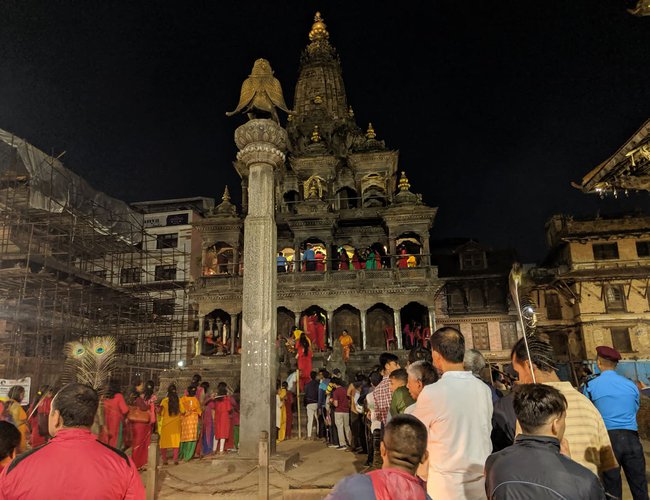
In Nepal, the Krishna Mandir in Patan Durbar Square, along with the Narayanhiti Krishna Mandir and other significant temples, become the epicenters of Janmashtami celebrations. Devotees flock to these sacred sites, transforming the night into a vibrant tapestry of faith and devotion. As they gather in large numbers, their hearts are united by the love and reverence they hold for Lord Krishna. The sight of women chanting Krishna’s many names, ‘Narayan, Narayan’ and ‘Gopal, Gopal,’ and the rhythmic clapping of hands in tune with ancient hymns creates an atmosphere of divine energy. The narrow steps leading to the temple’s inner sanctum are filled with worshippers, each offering flowers, coins, and food, yearning for a glimpse of the sacred idol of Krishna. After receiving ‘prasad’—the blessed food offerings—from the temple priests, they return home, their spirits uplifted and hearts content.

The festival also features the installation of beautiful cribs holding small idols of ‘Balgopal’ (baby Krishna), symbolising the joyous moment of his birth. These cribs, often referred to as “jhulas,” are tenderly decorated in Krishna temples, evoking the playful and endearing nature of the child-god. Additionally, the night comes alive with performances of Krishna Lila, dramatic reenactments of Lord Krishna’s life, showcasing his divine play (Lila) and his role as the protector of dharma (righteousness).

But beyond the rituals and festivities, Krishna Janmashtami carries a profound message that resonates through the ages. In the Bhagavad Gita, Krishna famously declares, “Whenever there is a decline in righteousness and an increase in unrighteousness, I manifest myself on earth.” This statement is not merely a declaration of divine intervention but a promise that goodness will always find a way to triumph over evil. Krishna Janmashtami serves as a powerful reminder that in times of darkness, when the world seems engulfed by sin and corruption, divine intervention will restore balance and order. The festival symbolises hope, the promise of renewal, and the assurance that no matter how overwhelming the forces of darkness may seem, the light of truth and righteousness will always prevail.

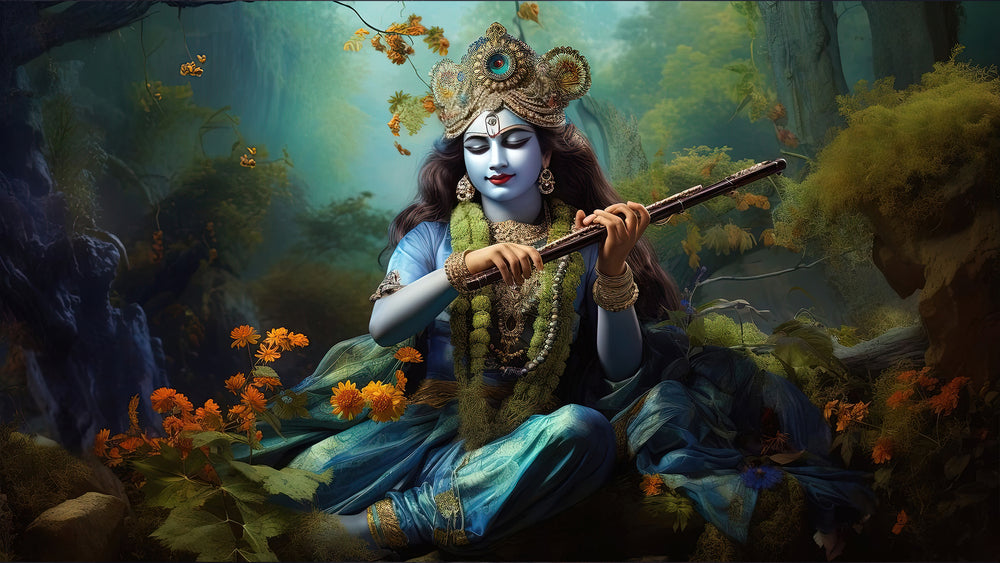
During Krishna Janmashtami, one of the most delightful sights is seeing little kids dressed up as Lord Krishna. Adorned in vibrant dhotis, peacock feathers, and tiny flutes, they embody the playful and charming spirit of Krishna, bringing joy to everyone around. The innocence of these young ones, coupled with their radiant smiles, adds a special sweetness to the celebration, making the occasion even more heartwarming. It’s a beautiful tradition that not only honours the birth of Lord Krishna but also creates cherished memories for families and communities. Just look at chhora as Krishna ji—it’s simply too adorable!

Sri Krishna Janmashtami, therefore, is not just a celebration of Krishna’s birth but a reaffirmation of our faith in the ultimate victory of good over evil, a timeless truth that continues to inspire and guide us through life’s challenges.

M from Nepaliaustralian

XOXO

Please follow me on Instagram! and Please follow me on TikTok
Cumquat Achar : A Sweet and Tangy Delight

If you live outside of Nepal and miss the taste of lapsi ko achar, I have the next best thing for you—cumquat achar! This sweet, tangy, and spicy pickle is a delicious alternative that you can easily make at home. Cumquat is called muntala in Nepali

Ingredients:

  • Cumquats: 1 Kg, cut in half or into thirds
  • Mustard oil: 2 tablespoons
  • Mustard seeds: 1 teaspoon
  • Hing (asafoetida): 1/4 teaspoon
  • Garlic: 4 cloves, chopped
  • Bay leaf: 8-10
  • Dried chili flakes: 1-2 teaspoons (adjust to taste)
  • Fresh hot chilies: Optional, for extra heat
  • Salt: To taste
  • Red chili powder: 1 teaspoon (adjust to taste)
  • Sugar: 200 gm (adjust to taste)

Instructions:

  1.  Start by cutting the cumquats in half or into thirds, depending on your preference.
  2. In a pan, heat mustard oil until it’s hot and shimmering.
  3. Add mustard seeds, hing, chopped garlic, bay leaf, and chili flakes to the hot oil. If you like extra heat, add some fresh hot chilies as well. Fry the spices for a few minutes until they release a rich, aromatic flavour.
  4.  Now Add the cumquats to the pan and stir-fry them until they soften, about 2-3 minutes. Add salt and red chili powder, mix well, and cover the pan. Let it cook for a 5 minutes.
  5.  Add sugar to the pan and mix well. Cover the pan again and let it cook for a few more minutes until the sugar dissolves and the flavours come together. Turn off the heat and let the achar cool down.
  6. Once cooled, transfer the achar to a glass jar. Refrigerate it, and it can be enjoyed for up to 3 months.

Enjoy, a delicious, tangy, and spicy homemade cumquat achar with your meals!

M from Nepaliaustralian

XOXO

Please follow me on Instagram! and Please follow me on TikTok