There’s something magical about the sound of raindrops tapping against the leaves, the fresh earthy aroma of a damp forest, and the gentle mist that cloaks everything in a veil of mystery. Our recent trip to Somersby Falls in the Blue Mountains was just that—an enchanting blend of nature, adventure, and family bonding, all under a soft drizzle that added to the charm of the day.
We set off with our backpacks loaded with essentials—snacks, water, raincoats, and an adventurous spirit! Despite the drizzle, the kids were buzzing with excitement, and their curiosity about the waterfalls kept the energy high throughout the drive. The walk to the falls is relatively short and easy, though the rain made the rocks a bit slippery. A good pair of non-slip shoes was a lifesaver. The kids loved hopping over puddles and pointing out tiny streams trickling down the rocks, which had sprung to life thanks to the rain.
As we descended the stairs and heard the distant roar of the falls, we knew we were in for a treat. The sight of water cascading down the mossy rocks was breathtaking, even more so with the mist from the drizzle adding a dreamy effect. We spent hours exploring the area, and the kids were thrilled to spot small critters and interesting leaves along the way. The natural pools near the falls became a point of fascination—they dipped their hands in the cool water and watched the ripples dance across the surface.
The drizzle didn’t deter us; instead, it made everything feel more adventurous. We shared laughs as the kids tested their “rainproof” jackets and marvelled at the droplets that sparkled like diamonds on the greenery. After a while, we found a sheltered spot for a snack break, listening to the calming sound of the falls and soaking in the serene atmosphere. It was a reminder of how beautiful and refreshing it is to step away from screens and schedules to connect with nature and each other.
A few tips for anyone planning a similar adventure: wear waterproof jackets and sturdy shoes, pack light snacks, and walk carefully on slippery rocks, especially with younger kids. Most importantly, embrace the weather—a little rain adds to the magic.
The drizzle didn’t just make our trip to Somersby Falls memorable; it made it magical. Watching the kids explore with wonder and sharing simple joys as a family reminded us why we love these little adventures. If you’re looking for a day out that blends fun, relaxation, and a touch of nature’s magic, Somersby Falls is the place to be—even on a rainy day. In fact, especially on a rainy day.
For my birthday this year, my hubby surprised me with a lunch date at The Newmarket Room Restaurant. It turned out to be an unforgettable experience with amazing food, a quiet and cosy ambiance, and impeccable service.
We kicked off our lunch with some refreshing mocktails. I opted for a Strawberry Mojito that was perfectly sweet, tangy, and refreshing, while my hubby chose a Tropical Paradise blend (pineapple and passionfruit)—a fruity delight with just the right hint of citrus.
Entrees: A Perfect Start
Chargrilled Octopus: Tender, smoky, and seasoned to perfection. The slight char added a delightful depth to its flavour, and it paired wonderfully with a tangy dressing.
Lamb Cutlet: Juicy, perfectly cooked, and bursting with flavour. The herb crust was crisp and aromatic, complementing the succulent meat beautifully.
Mains: A Culinary Feast
Chicken Roulade: Stuffed with herbs and cheese, the roulade was moist and full of flavour. It was served with a creamy sauce that tied all the elements together.
Barramundi Fish: Fresh, flaky, and cooked to perfection. The buttery lemon sauce elevated the natural flavours of the fish, making every bite heavenly.
Crispy Eggplant: As a vegetarian option, this dish was a standout. The eggplant was light and crispy on the outside, tender inside, and paired with a tangy tomato-based sauce that was simply divine.
Dessert: Birthday Bliss For dessert, we indulged in a Dark Chocolate Mousse as my birthday cake. It was rich, velvety, and decadently chocolatey. The mousse was topped with a hint of sea salt and fresh berries, creating a beautiful balance of flavours that ended the meal on a high note.
Final Thoughts The Newmarket Room Restaurant exceeded all my expectations. The food was absolutely delicious, with flavours that showcased the chef’s creativity and attention to detail. The ambiance was intimate and relaxing, making it a perfect spot for a special occasion.
Thank you, hubby, for making my birthday so memorable! 💕 If you’re looking for a place with incredible food and a serene atmosphere, I’d highly recommend checking it out.
What’s your favourite go-to restaurant for a celebration? Let me know in the comments! 😊
Tihar, my favourite Nepali festival, has come and gone, leaving behind a glow that warms my heart. Known as the festival of lights, Tihar honours animals, family bonds, and the goddess of wealth, Laxmi. Each day has its own deep meaning, blending spirituality, gratitude, and family love. Living far from Nepal, we’ve found creative ways to keep the spirit of Tihar alive, celebrating these rituals as a bridge to our culture and traditions. Here’s a glimpse into how each day brought us closer to our roots, no matter the miles between us.
Day 1: Kaag Puja – Honoring the Messenger Crow
Tihar begins with Kaag Puja, dedicated to the crow, a symbol of the god Yama’s messenger. Traditionally, we offer food to crows as they’re seen as bearers of news, both good and bad. In Nepal, the sight and sound of crows herald Tihar’s arrival, and this ritual reminds us to respect all forms of life, especially the ones that serve as nature’s messengers.
Here in Australia, I couldn’t find any crows around, so I improvised by using a photo of a crow, setting it up in our home, and offering flowers and sweets. It’s a humble gesture, but it’s also a way to begin the festival with gratitude and respect for life’s simplest messengers.
Day 2: Kukur Puja – Celebrating Man’s Best Friend
Kukur Puja is one of my favourites because it honours dogs, the most loyal and loving animals. In Hindu culture, dogs are seen as guardians, protectors, and friends. On this day, people place a red tika on their dogs’ foreheads, garland them with marigolds, and offer them treats.
I don’t have a dog here, but my family in Nepal has Chhotu, our loyal companion. While I couldn’t be there, I celebrated in spirit by printing his picture, offering a small prayer, and thanking him for watching over my family. It’s a reminder that love transcends distance, even when it comes to our furry friends.
Day 3: Gai Puja and Laxmi Puja – Honouring the Cow and the Goddess of Wealth
Gai Puja is a morning ritual devoted to the cow, a revered animal in Hinduism. Cows represent abundance, nurturing, and sustenance, qualities we cherish. The day begins with offerings of fruits and garlands to cows, showing gratitude for all they give us.
Later, we celebrate Laxmi Puja, dedicated to the goddess of wealth. This is the heart of Tihar, when families light diyos (oil lamps), decorate their homes with rangoli, and prepare for Laxmi’s arrival. In Nepal, a red mud trail is drawn from the doorstep to the altar to welcome Laxmi.
This year, we set up a small altar with a photo of Laxmi and created footprints leading into our home. I added twinkling lights and candles, transforming our space into a sanctuary of warmth and blessings. It’s these small touches that keep Laxmi Puja magical, even far from home.
Day 4: Govardhan Puja and Mha Puja – A Celebration of Self and Community
The fourth day of Tihar, Govardhan Puja, honours the story of Lord Krishna lifting Mount Govardhan to protect his village from a storm. Families create a small mound symbolising the mountain, celebrating nature’s strength and resilience.
For us Newars, this day also marks Mha Puja, a beautiful tradition of self-worship. “Mha” means “body” in the Newar language, and the ritual is about cleansing and honouring oneself as a sacred vessel. We arrange mandaps (small, decorated seats) for each family member, light a diya representing the soul, and offer flowers and grains.
I’m incredibly fortunate to have family here as well, so we were able to celebrate Mha Puja with all the traditional rituals, bringing the spirit of Newar culture to life even far from Nepal. Together, we carefully set up mandaps with grains, fruits, flowers, and oil lamps, making sure every detail echoed our heritage. It was a beautiful opportunity not only to honour the self, as Mha Puja represents, but also to pass down these customs to our kids, who were eager to learn. As we went through each step, I explained the meaning behind the rituals, sharing stories about our ancestors and why we celebrate Mha Puja. The kids loved participating and adding their own touches, making it a fun, memorable day filled with laughter, learning, and togetherness. Celebrating this tradition abroad felt like creating a bridge between generations, where they can appreciate the values we hold dear and, hopefully, carry them forward.
Also on this day we celebrate Nepal Sambat, the traditional Newar New Year, is a significant celebration of Newar culture and heritage. This unique lunar calendar, which traces its roots back to 880 AD, holds deep historical and cultural significance for the Newar community, an indigenous group from the Kathmandu Valley. Nepal Sambat is celebrated with enthusiasm, as it marks not only the New Year but also the enduring spirit of unity and resilience. The Newars, known for their rich art, architecture, and festivals, embrace Nepal Sambat as a time for cultural renewal. During this period, Newar families honour their heritage by participating in rituals, gatherings, and traditional feasts. The celebration of Nepal Sambat exemplifies the vibrant Newar culture, highlighting values of family, community, and continuity, while paying homage to a history of independence and cultural pride.
Day 5: Bhai Tika – Strengthening the Sibling Bond
The last day of Tihar is Bhai Tika, a day to celebrate the bond between brothers and sisters. Sisters place a tika on their brothers’ foreheads, wishing them long life and protection. In return, brothers offer gifts as a symbol of their love and promise to protect their sisters.
I feel incredibly lucky to have my brother here with me to celebrate Bhai Tika, bringing the spirit of Tihar even closer to home. This special day is all about the love, blessings, and lifelong bond we share. Here are some highlights from our celebration – from the tika, tradition garland and masala to exchanging gifts and laughter, every moment felt like a cherished tradition we’ve carried with us.
Deusi-Bhailo Traditions
Traditionally, people celebrate with Deusi and Bhailo, lively songs sung to bless each home in exchange for treats, bringing joy and unity as groups go door-to-door singing.
We’re fortunate to live in a neighborhood that embraces these traditions, filling our celebrations with warmth and connection. Alongside all the delicious feasting, we were blessed to be part of a community where Deusi-Bhailo thrives.
This year, we had groups of seniors, adults, and children stopping by to play Deusi-Bhailo, filling our home with song, laughter, and festive spirit.
Wishing everyone celebrating Nepal Sambat a joyous and prosperous new year! Tihar reminds me that home is wherever our heart and traditions are, and no matter how far we go, we carry these festivals with us. Here’s to another year filled with light, love, and togetherness.
The last few days have been a whirlwind of fun, family, and festivities as we’ve been busy celebrating Dashain, one of the most cherished festivals in our culture. It’s always a time of togetherness, where we come together with friends and family to share joy, laughter, and of course, delicious food!
From Tika and Jamara to playing cards and eating delicious food, the spirit of Dashain has been in full swing. We’ve enjoyed the beautiful rituals, reconnected with family, and created unforgettable memories. Here are some glimpses of our celebrations – filled with love, blessings, and happiness.
Dashain is here! The air is filled with excitement, nostalgia, and the promise of family gatherings, food, and festivities. Yesterday marked Ghatasthapana, the first day of Dashain, which sets the tone for the next 15 days of celebration. In households across Nepal—and for Nepali communities around the globe—this day is sacred. It’s the day we plant Jamara, those sprouting yellow-green shoots that symbolize prosperity and blessings.
But what makes Dashain so special?
For starters, it’s not just any festival. Dashain is Nepal’s biggest and longest Hindu festival, celebrated for 15 glorious days of tradition, reunions, and cultural pride. From Ghatasthapana to the grand finale on Vijaya Dashami, it’s a time when families gather, share meals, exchange blessings, and honour the victory of good over evil.
So, if you’re new to Dashain or just looking to rekindle that festive spirit, here’s a peek into why we cherish this time of year!
The Legends Behind Dashain: Why It’s More Than Just a Festival
Dashain is steeped in legends and Hindu mythology. According to one tale, it’s the story of Ram—the hero who defeated the demon king Ravana after nine days of prayer and worshipping Goddess Durga. The tenth day, Dashami, marks Ram’s victory, symbolizing the triumph of good over evil.
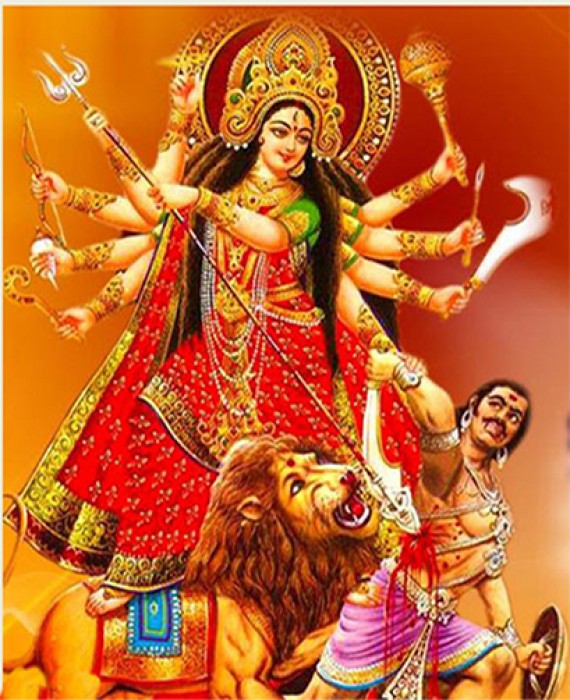
Another tale revolves around Mahishasura, the fearsome demon who terrorized both Earth and Heaven. The gods created Durga, the powerful goddess who battled Mahishasura for nine long days. On the tenth day, Durga slew the demon, marking the day of victory—Vijaya Dashami.
These stories remind us that no matter how challenging life gets, good will always prevail. And that’s why we place tika (a red vermilion paste mixed with rice and yogurt) on our foreheads during Dashain—it’s a blessing for victory, strength, and resilience in the coming year.
Day 1: Ghatasthapana – Planting Jamara, Growing Prosperity
Ghatasthapana (literally meaning “pot establishment”) marks the official start of Dashain. This is the day we plant Jamara—the sacred barley seeds that we lovingly water and nurture for the next ten days. These delicate sprouts will grow to represent blessings, and we use them on Vijaya Dashami for the tika ceremony.
I planted my Jamara yesterday. It’s always a special moment for me—preparing the soil, sowing the seeds, and knowing that in 10 days, those golden-green shoots will be ready for the most important ritual of Dashain. I can’t wait to see how well they grow this year!
Dashain Activities: Where Tradition Meets Fun
What makes Dashain feel so magical is the blend of deep-rooted traditions with simple pleasures. Here are some of the most exciting things we look forward to every Dashain:
1. Kite Flying
As soon as Dashain kicks off, the skies in Nepal fill with colorful kites—each one carrying the message that the monsoon season is over. I have fond memories of rooftop kite battles with my brothers, shouting “Changa Chet!” (which means “kite cut!”) every time we managed to down someone else’s kite. It’s a playful battle that I miss every year.
2. Family Card Games
I can’t talk about Dashain without mentioning the card games! Even though gambling is technically illegal in Nepal, Dashain is an exception. Families gather around with cards, placing small bets (or just playing for fun!). I used to love sneaking into the grown-ups’ game as a kid, hoping to win a few coins.
3. Shopping for New Clothes
Dashain is the time for new clothes! For many families, this is the only time of the year when they can afford new outfits. Shops across Nepal offer crazy discounts, and it’s a rush of excitement as everyone prepares for the festival. I treated myself to a new dress this weekend—because who doesn’t love a reason to shop, right?
4. Bamboo Swings (Ping)
In the countryside, you’ll find bamboo swings constructed just before Dashain. These aren’t your average playground swings either—they’re towering structures that often go 20 feet high! Swinging on a ping is a thrill, and for many, it’s a must-do every year.
The Sweet Chaos: Fairs, Concerts, and Food!
Dashain isn’t just about rituals; it’s also about fun and celebration! Throughout Nepal, you’ll find fairs, concerts, and dashain melas (markets) popping up in towns and cities. These events bring people together for a bit of light-hearted fun—think Ferris wheels, local snacks, and live performances.
And then there’s the food! The streets fill with the smell of fried treats, freshly made sel roti (a traditional rice doughnut), and crispy chatpate (Nepal’s beloved street food). It’s the time to indulge, because Dashain only comes once a year!
Happy Dashain, everyone!
Here are the posts I have written regarding Dashian over the years .