Tihar, my favourite Nepali festival, has come and gone, leaving behind a glow that warms my heart. Known as the festival of lights, Tihar honours animals, family bonds, and the goddess of wealth, Laxmi. Each day has its own deep meaning, blending spirituality, gratitude, and family love. Living far from Nepal, we’ve found creative ways to keep the spirit of Tihar alive, celebrating these rituals as a bridge to our culture and traditions. Here’s a glimpse into how each day brought us closer to our roots, no matter the miles between us.
Day 1: Kaag Puja – Honoring the Messenger Crow
Tihar begins with Kaag Puja, dedicated to the crow, a symbol of the god Yama’s messenger. Traditionally, we offer food to crows as they’re seen as bearers of news, both good and bad. In Nepal, the sight and sound of crows herald Tihar’s arrival, and this ritual reminds us to respect all forms of life, especially the ones that serve as nature’s messengers.
Here in Australia, I couldn’t find any crows around, so I improvised by using a photo of a crow, setting it up in our home, and offering flowers and sweets. It’s a humble gesture, but it’s also a way to begin the festival with gratitude and respect for life’s simplest messengers.
Day 2: Kukur Puja – Celebrating Man’s Best Friend
Kukur Puja is one of my favourites because it honours dogs, the most loyal and loving animals. In Hindu culture, dogs are seen as guardians, protectors, and friends. On this day, people place a red tika on their dogs’ foreheads, garland them with marigolds, and offer them treats.
I don’t have a dog here, but my family in Nepal has Chhotu, our loyal companion. While I couldn’t be there, I celebrated in spirit by printing his picture, offering a small prayer, and thanking him for watching over my family. It’s a reminder that love transcends distance, even when it comes to our furry friends.
Day 3: Gai Puja and Laxmi Puja – Honouring the Cow and the Goddess of Wealth
Gai Puja is a morning ritual devoted to the cow, a revered animal in Hinduism. Cows represent abundance, nurturing, and sustenance, qualities we cherish. The day begins with offerings of fruits and garlands to cows, showing gratitude for all they give us.
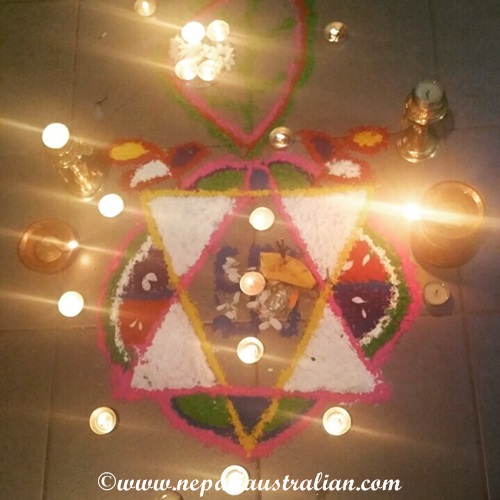
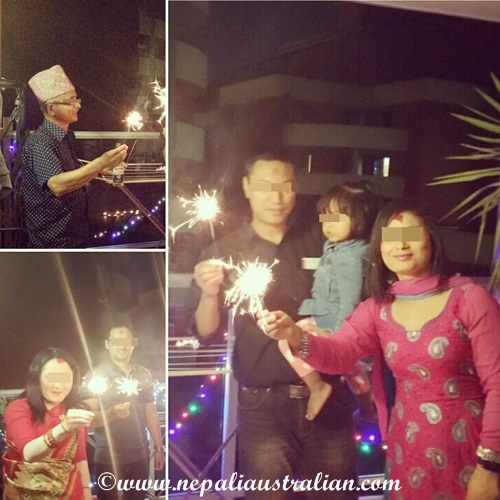
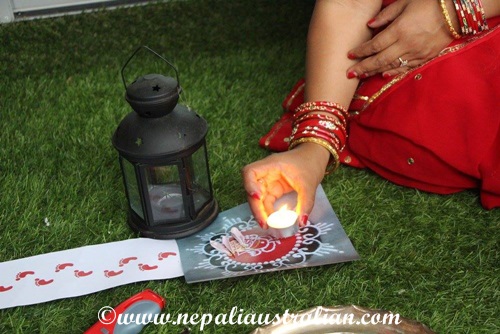
Later, we celebrate Laxmi Puja, dedicated to the goddess of wealth. This is the heart of Tihar, when families light diyos (oil lamps), decorate their homes with rangoli, and prepare for Laxmi’s arrival. In Nepal, a red mud trail is drawn from the doorstep to the altar to welcome Laxmi.
This year, we set up a small altar with a photo of Laxmi and created footprints leading into our home. I added twinkling lights and candles, transforming our space into a sanctuary of warmth and blessings. It’s these small touches that keep Laxmi Puja magical, even far from home.
Day 4: Govardhan Puja and Mha Puja – A Celebration of Self and Community
The fourth day of Tihar, Govardhan Puja, honours the story of Lord Krishna lifting Mount Govardhan to protect his village from a storm. Families create a small mound symbolising the mountain, celebrating nature’s strength and resilience.
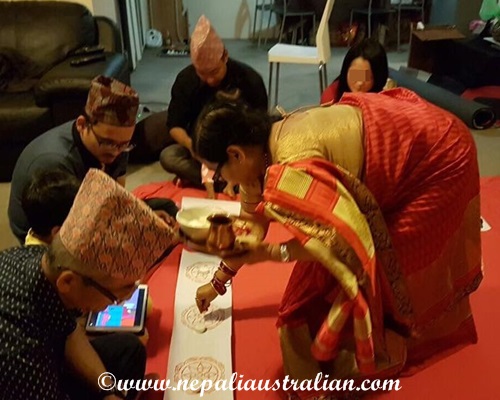
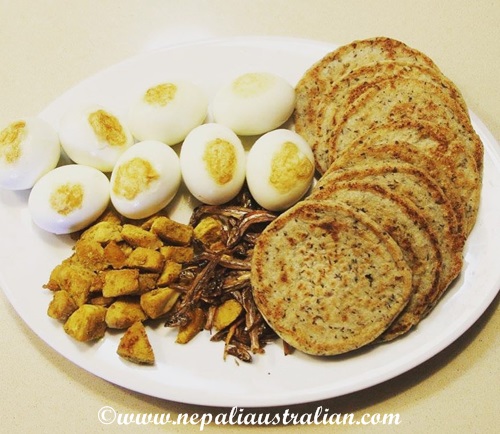
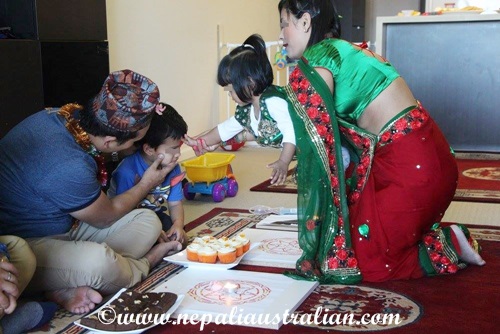
For us Newars, this day also marks Mha Puja, a beautiful tradition of self-worship. “Mha” means “body” in the Newar language, and the ritual is about cleansing and honouring oneself as a sacred vessel. We arrange mandaps (small, decorated seats) for each family member, light a diya representing the soul, and offer flowers and grains.

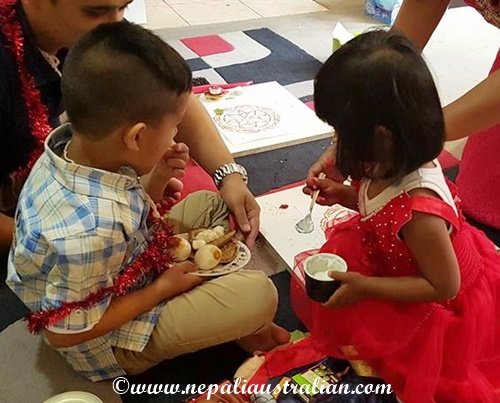
I’m incredibly fortunate to have family here as well, so we were able to celebrate Mha Puja with all the traditional rituals, bringing the spirit of Newar culture to life even far from Nepal. Together, we carefully set up mandaps with grains, fruits, flowers, and oil lamps, making sure every detail echoed our heritage. It was a beautiful opportunity not only to honour the self, as Mha Puja represents, but also to pass down these customs to our kids, who were eager to learn. As we went through each step, I explained the meaning behind the rituals, sharing stories about our ancestors and why we celebrate Mha Puja. The kids loved participating and adding their own touches, making it a fun, memorable day filled with laughter, learning, and togetherness. Celebrating this tradition abroad felt like creating a bridge between generations, where they can appreciate the values we hold dear and, hopefully, carry them forward.
Also on this day we celebrate Nepal Sambat, the traditional Newar New Year, is a significant celebration of Newar culture and heritage. This unique lunar calendar, which traces its roots back to 880 AD, holds deep historical and cultural significance for the Newar community, an indigenous group from the Kathmandu Valley. Nepal Sambat is celebrated with enthusiasm, as it marks not only the New Year but also the enduring spirit of unity and resilience. The Newars, known for their rich art, architecture, and festivals, embrace Nepal Sambat as a time for cultural renewal. During this period, Newar families honour their heritage by participating in rituals, gatherings, and traditional feasts. The celebration of Nepal Sambat exemplifies the vibrant Newar culture, highlighting values of family, community, and continuity, while paying homage to a history of independence and cultural pride.
Day 5: Bhai Tika – Strengthening the Sibling Bond
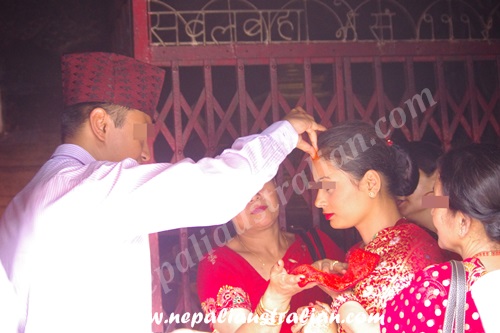
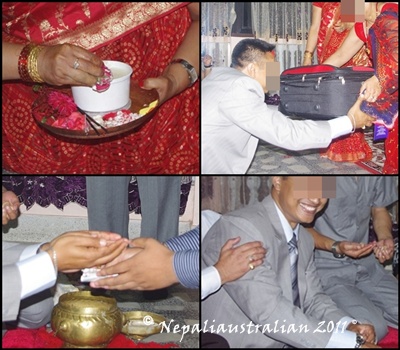
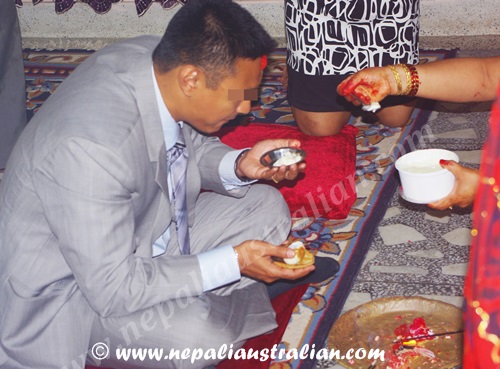
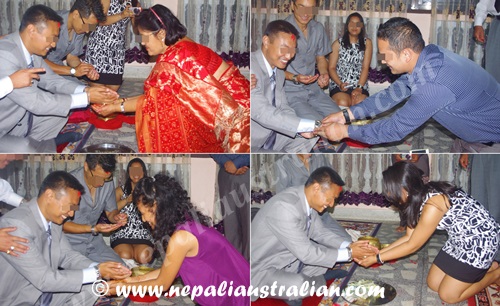
The last day of Tihar is Bhai Tika, a day to celebrate the bond between brothers and sisters. Sisters place a tika on their brothers’ foreheads, wishing them long life and protection. In return, brothers offer gifts as a symbol of their love and promise to protect their sisters.
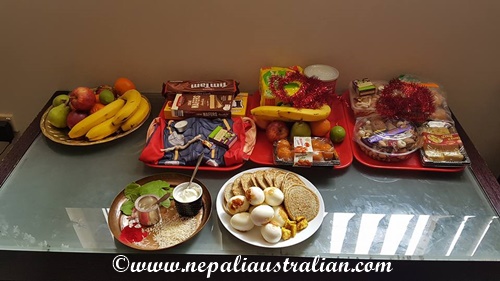
I feel incredibly lucky to have my brother here with me to celebrate Bhai Tika, bringing the spirit of Tihar even closer to home. This special day is all about the love, blessings, and lifelong bond we share. Here are some highlights from our celebration – from the tika, tradition garland and masala to exchanging gifts and laughter, every moment felt like a cherished tradition we’ve carried with us.
Deusi-Bhailo Traditions
Traditionally, people celebrate with Deusi and Bhailo, lively songs sung to bless each home in exchange for treats, bringing joy and unity as groups go door-to-door singing.
We’re fortunate to live in a neighborhood that embraces these traditions, filling our celebrations with warmth and connection. Alongside all the delicious feasting, we were blessed to be part of a community where Deusi-Bhailo thrives.
This year, we had groups of seniors, adults, and children stopping by to play Deusi-Bhailo, filling our home with song, laughter, and festive spirit.
Wishing everyone celebrating Nepal Sambat a joyous and prosperous new year! Tihar reminds me that home is wherever our heart and traditions are, and no matter how far we go, we carry these festivals with us. Here’s to another year filled with light, love, and togetherness.
Please follow me on Instagram! and Please follow me on TikTok to stay updated on my adventures.
Take care,
M from Nepaliaustralian
XOXO

































 nepaliaustralian